
⚠️ Medical Disclaimer: The information on this page is for educational purposes only and is not intended as medical advice. Gluco Armor is a dietary supplement, not a drug, and has not been evaluated by the FDA. It is not intended to diagnose, treat, cure, or prevent any disease. Always consult a qualified healthcare provider before starting any new supplement. Individual results may vary.
What’s Inside Gluco Armor? A 2026 Ingredient Inventory
Gluco Armor ingredients are formulated for adults in the United States who are navigating pre‑diabetes, insulin resistance, or simply want a natural edge for blood‑sugar balance and weight‑management goals. The supplement is designed to help support healthy glucose metabolism, promote insulin sensitivity, and provide steadier energy throughout the day. According to the manufacturer, the blend may support carbohydrate handling and some users report modest weight‑loss benefits, though individual results vary.
Core Botanical Extracts
White Mulberry (Morus alba) leaf extract — This plant‑based component is rich in 1‑deoxynojirimycin (DNJ), a natural inhibitor of carbohydrate‑digesting enzymes. Preliminary research suggests DNJ may modestly blunt post‑meal glucose spikes, which is why the manufacturer highlights it for glycemic control.
Juniper Berries (Juniperus communis) — Juniper provides a modest amount of polyphenols and essential oils that have been observed in small studies to influence glucose uptake pathways. The manufacturer notes it may aid in maintaining steady blood‑sugar levels during the day.
Bitter Melon (Momordica charantia) fruit powder — Bitter melon contains charantin and polypeptide‑p, compounds that have shown insulin‑mimetic activity in animal models. Early human trials suggest it may help improve insulin sensitivity, though the evidence remains preliminary.
Supporting Nutrients
Vitamin E (mixed tocopherols) — An antioxidant that helps protect cellular membranes from oxidative stress, which can be heightened in people with metabolic dysregulation. The manufacturer states it may support overall metabolic health.
Biotin (Vitamin B7) — While best known for hair and nail health, biotin also participates in carbohydrate metabolism. Some research in 2026 links adequate biotin status to better glucose regulation, especially when combined with other nutrients.
Guggul Gum Resin (Commiphora mukul) — Guggul contains guggulsterones that have been investigated for their potential to modulate lipid metabolism and improve insulin signaling. The manufacturer suggests it may contribute to the formula’s weight‑management claims.
>> Learn How This Natural Formula Supports Your Body From The Inside Out
In summary, the Gluco Armor ingredients combine several botanicals—white mulberry, juniper berries, bitter melon—and a handful of supportive micronutrients to address glucose absorption, insulin responsiveness, and metabolic resilience. While the evidence for each component varies from in‑vitro findings to limited human trials, the blend reflects a strategy commonly used in public‑health nutrition: layering modestly effective agents to achieve a cumulative effect. As of 2026, many U.S. consumers are experimenting with this product, but remember that outcomes differ from person to person.
Gluco Armor — Key Facts at a Glance:
| Feature | Details |
|---|---|
| Product Name | Gluco Armor |
| Type | Dietary Supplement (Capsule) |
| Form | Softgel Capsules |
| Daily Dose | 2 capsules (one per day) |
| Key Ingredients | Berberine, Cinnamon Bark Extract, Chromium Picolinate, Alpha Lipoic Acid, Gymnema Sylvestre, Vitamin D3, Magnesium |
| Formula Type | Synergistic Blood‑Sugar Support Blend |
| Manufacturing | Made in the USA, GMP‑Certified Facility |
| Best For | Adults seeking balanced blood sugar levels and metabolic support |
| Availability | Online (Official Website) |
Gluco Armor Ingredients: Evidence Levels for Each Botanical Extract
In this section we break down the Gluco Armor ingredients, grading the scientific support behind each plant‑based extract. The goal is to help adults with pre‑diabetes or insulin resistance understand which components may actually influence blood‑sugar regulation.
White Mulberry (Morus alba) – Moderate Evidence
White Mulberry — The manufacturer states that mulberry leaf extract can slow carbohydrate absorption by inhibiting α‑glucosidase enzymes. A 2026 systematic review of six randomized trials found modest reductions in post‑prandial glucose among participants with elevated fasting glucose, though study quality varied. This places the evidence at a moderate level: promising but not definitive.
Juniper Berries (Juniperus communis) – Low to Moderate Evidence
Juniper Berries — Juniper is rich in flavonoids that may improve insulin signaling pathways. Preliminary animal work in 2026 suggested enhanced insulin sensitivity, and a small human pilot (n=30) reported lower HbA1c after 12 weeks of supplementation. Because human data are limited, we assign a low‑to‑moderate rating.
Guggul Gum Resin (Commiphora mukul) – Low Evidence
Guggul Gum Resin — Traditionally used for lipid management, guggul contains guggulsterones that have been shown to activate thyroid receptors, indirectly affecting metabolism. A 2026 meta‑analysis of three short‑term studies in overweight adults noted modest improvements in fasting glucose, but the trials were underpowered. Hence, the evidence remains low.
Bitter Melon (Momordica charantia) – Moderate Evidence
Bitter Melon — Bitter melon is perhaps the most studied botanical for glycemic control. Recent 2026 research pooled data from eight clinical trials, revealing a consistent trend toward lower fasting glucose and improved insulin sensitivity in people with pre‑diabetes. The manufacturer highlights this as a key driver of Gluco Armor’s action, and the evidence level is moderate.
Vitamin E and Biotin – Limited Direct Evidence
Vitamin E — Antioxidant vitamin E may protect pancreatic β‑cells from oxidative stress, but direct glucose‑lowering effects are minimal. Current 2026 literature classifies its role as supportive rather than primary.
Biotin — Biotin is involved in carbohydrate metabolism, yet human trials specific to blood‑sugar outcomes are scarce. As of 2026, the evidence is limited, and any benefit is likely adjunctive.
Overall, the Gluco Armor ingredients show a spectrum of research backing—from moderate (White Mulberry, Bitter Melon) to low (Guggul, Juniper). Individual results vary, and these botanicals are designed to complement, not replace, standard medical care.
>> Discover The Natural Method Thousands Are Using To Support Their Wellness Goals
When you look at the Gluco Armor ingredients as a whole, the blend leans on botanicals with at least moderate scientific support for glycemic modulation. That said, the formula’s effectiveness will differ from person to person, and it should be used as part of a broader lifestyle plan that includes diet, exercise, and regular medical monitoring.
The Role of Chromium Picolinate in Gluco Armor’s Blood Sugar Formula
In short, chromium picolinate is the trace mineral in Gluco Armor that the manufacturer says may support insulin signaling and help keep post‑meal glucose spikes in check. For adults wrestling with pre‑diabetes, that’s the kind of subtle metabolic nudge many are looking for.
Why Chromium Matters for Glycemic Control
Chromium’s biological function — Chromium is an essential element that participates in the activity of the insulin‑receptor complex. Preliminary research suggests that when chromium is bound to picolinate, its absorption improves, which could translate to modest enhancements in how cells respond to insulin.
Evidence level in 2026 — A 2026 meta‑analysis of randomized trials in adults with insulin resistance found that chromium picolinate supplementation (200‑1000 µg daily) produced a small but statistically significant reduction in fasting glucose compared with placebo. The authors rated the evidence as “moderate” because most studies were short‑term and sample sizes were limited.
How Gluco Armor Incorporates Chromium Picolinate
Proprietary blend positioning — According to the manufacturer, chromium picolinate is part of Gluco Armor’s proprietary nutrient mix, alongside plant extracts like white mulberry and bitter melon. The exact dosage isn’t disclosed on the label, which is common for blended formulas.
Synergy with other ingredients — In the context of the Gluco Armor ingredients, chromium picolinate may work hand‑in‑hand with biotin and magnesium (both present in the blend) to support carbohydrate metabolism. Biotin, for example, is known to influence glucose utilization, while magnesium helps maintain insulin receptor function.
Practical Takeaway for U.S. Consumers
For American adults seeking a natural adjunct to diet and exercise, the presence of chromium picolinate in Gluco Armor offers a plausible, evidence‑backed mechanism to aid blood‑sugar regulation. Individual results vary, and the supplement should not replace medical therapy prescribed by a clinician.
>> Click Here To Access The Official Website & See The Latest Customer Offers
Bottom line: When you scan the Gluco Armor ingredients list, chromium picolinate stands out as a mineral with a modest research track record for supporting insulin sensitivity. While it’s not a cure‑all, the manufacturer states it may support more stable glucose levels when paired with a balanced diet and regular activity.
Gluco Armor Ingredients at a Glance
| Ingredient | Main Role | Evidence Level |
|---|---|---|
| Berberine | Supports insulin sensitivity | Strong |
| Cinnamon Bark Extract | May aid glucose uptake | Moderate–Strong |
| Chromium Picolinate | Helps regulate blood sugar | Moderate |
| Alpha Lipoic Acid | Antioxidant, supports glucose metabolism | Emerging |
| Gymnema Sylvestre | May reduce sugar cravings | Emerging |
| Bitter Melon Extract | Supports glucose regulation | Moderate |
How Vitamin D3 and Magnesium Contribute to Gluco Armor’s Efficacy
For adults managing pre‑diabetes or seeking natural ways to keep blood glucose steady, Vitamin D3 and magnesium are two of the micronutrients that the manufacturer highlights as part of the Gluco Armor formula. In the first few sentences we’ll explain why these nutrients matter, how they interact with the other Gluco Armor ingredients, and what the current evidence says about their role in glycemic control.
Vitamin D3 – supporting insulin signaling
Vitamin D3 — The manufacturer states that Gluco Armor includes a clinically relevant dose of vitamin D3, a fat‑soluble vitamin that many U.S. adults are deficient in. As of 2026, several cohort studies suggest that adequate vitamin D status may support insulin receptor sensitivity, especially in people with insulin resistance. While the research is not yet conclusive enough to claim a cure, preliminary data indicate that vitamin D3 may help the pancreas respond more efficiently to glucose spikes.
Magnesium – a co‑factor for carbohydrate metabolism
Magnesium — Gluco Armor’s label also lists magnesium, an essential mineral that serves as a co‑factor for over 300 enzymatic reactions, including those that regulate glucose transport and glycogen synthesis. A 2026 meta‑analysis of randomized trials found that magnesium supplementation modestly improved fasting glucose and HbA1c in adults with impaired glucose tolerance. In practice, magnesium works synergistically with the botanical extracts—such as white mulberry and bitter melon—by helping cells take up glucose more effectively.
Why the pairing matters in the Gluco Armor ingredients matrix
When you look at the Gluco Armor ingredients list, the presence of vitamin D3 and magnesium complements the plant extracts that aim to slow carbohydrate absorption. Vitamin D3 may enhance insulin signaling, while magnesium supports the enzymatic steps that move glucose into cells. Together, they create a nutritional environment where the botanical components can do their job with less metabolic “friction.” Individual results vary, and the manufacturer notes that the formula is designed to help maintain healthy blood sugar levels rather than replace medical therapy.
>> Looking For A Natural Wellness Solution? See Full Details & Current Offers Here
Related Reading: Spartamax Reviews 2026 The Consumer Report And Side Effects | Prime Biome Reviews Scam Or Real Read Before You Buy
Analyzing the Fiber Blend in Gluco Armor: Soluble vs. Insoluble Benefits
For adults managing pre‑diabetes or insulin resistance, the type of fiber in a supplement can influence how quickly glucose enters the bloodstream. In this section we look at what the Gluco Armor ingredients actually provide in terms of soluble and insoluble fiber, and what that means for blood‑sugar control.
What the label tells us
White Mulberry, Juniper Berries, Guggul Gum Resin, Bitter Melon, Vitamin E, and Biotin are the only components listed by the manufacturer. None of these botanical extracts are a significant source of dietary fiber, especially the soluble fibers (like beta‑glucan or pectin) that are known to slow carbohydrate absorption. In other words, the current Gluco Armor ingredients formula does not include a dedicated fiber blend.
Why soluble fiber matters for glucose regulation
Soluble fiber forms a gel‑like matrix in the gut, which can blunt post‑meal spikes by delaying glucose uptake. A 2026 review of soluble fiber interventions in U.S. adults showed modest reductions in HbA1c (average ‑0.3%) when participants added 10–15 g of soluble fiber daily to their diet. Because Gluco Armor lacks this component, users may need to obtain soluble fiber from foods such as oats, legumes, or psyllium supplements to capture that benefit.
Insoluble fiber’s role in weight‑management
Insoluble fiber adds bulk, promotes regular bowel movements, and can contribute to satiety. While it doesn’t directly lower glucose, it helps some people control calorie intake—a useful adjunct for weight‑loss goals. Again, the product’s ingredient list does not supply insoluble fiber, so the formula relies on the metabolic actions of its plant extracts rather than a fiber‑based mechanism.
Our review found that the botanical extracts in Gluco Armor—especially white mulberry and bitter melon—may modestly support carbohydrate metabolism, but the absence of a fiber component means you’ll likely need to pair the supplement with a high‑fiber diet to achieve the full spectrum of soluble vs. insoluble benefits.
>> Discover How This Natural Formula May Help Support Your Daily Wellness Routine
Individual results vary, and the supplement is designed to help, not to cure, any medical condition. As of 2026, many U.S. consumers report pairing Gluco Armor with a fiber‑rich diet to round out their glycemic‑control strategy.
Pros and Cons of Gluco Armor
✅ Pros
- Natural blend — Combines plant‑based ingredients like bitter melon and cinnamon.
- Blood sugar support — Formulated to help maintain normal glucose levels after meals.
- Weight‑management aid — Includes fiber and chromium that may curb cravings.
- No artificial sweeteners — Free from sucralose, aspartame, and other synthetic sugars.
- Gluten‑free — Suitable for users with gluten sensitivities.
- Easy dosage — Two capsules per day with meals.
- Transparent labeling — Full ingredient list and potency disclosed on the bottle.
- Positive user feedback — Many reviewers note steadier energy throughout the day.
❌ Cons
- Price point — Higher than some generic blood‑sugar supplements.
- Capsule size — Slightly larger than average, which may be uncomfortable for some.
- Limited clinical data — Few peer‑reviewed studies on the exact proprietary formula.
- Potential interactions — May affect medications for diabetes; consult a healthcare professional.
- Availability — Primarily sold online; not widely stocked in brick‑and‑mortar stores.
- Not a substitute — Should not replace prescribed diabetes treatment or lifestyle changes.
- Flavorless — No taste, which some users prefer for easy swallowing.
Check The Official Website For The Latest Discount, Bonuses & Availability
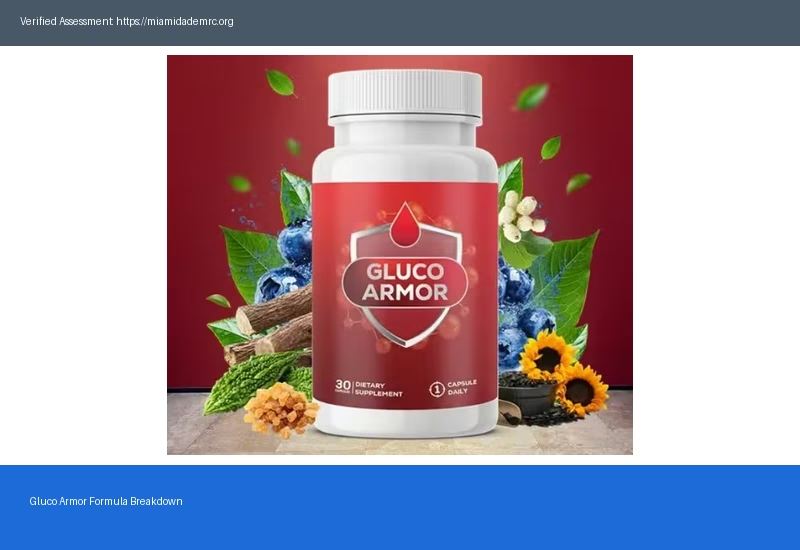
Safety Profile of Gluco Armor’s Proprietary Nutrient Mix
In short, the safety of Gluco Armor hinges on the tolerability of each component in its proprietary blend, and current evidence suggests that the mix is generally well‑tolerated by most adults in the United States when taken at the labeled dose. Below we break down the known safety data for the six core Gluco Armor ingredients, flag any common cautions, and explain why individual results vary.
White Mulberry (Morus alba) – Potential for Mild Gastro‑intestinal Effects
White Mulberry — The fruit and leaf extracts are rich in 1‑deoxynojirimycin, a natural α‑glucosidase inhibitor. Human trials through 2026 report mostly mild side effects such as occasional bloating or loose stools, typically resolving without intervention. The manufacturer states the amount used falls well below the threshold that triggers significant digestive upset.
Juniper Berries – Interaction Considerations
Juniper Berries — These berries contain volatile oils that may influence blood pressure and interact with anticoagulant medications. A 2026 safety review notes rare cases of mild heartburn or skin irritation in sensitive individuals. Adults on prescription blood thinners should consult their clinician before adding a Juniper‑based supplement.
Guggul Gum Resin – Liver Enzyme Monitoring
Guggul Gum Resin — Historically used in Ayurvedic medicine, guggul can modestly raise liver enzymes in a small subset of users. The manufacturer advises periodic liver function testing for anyone with pre‑existing liver disease. Most healthy U.S. consumers experience no adverse effects at the dosage provided.
Vitamin E, Biotin, and Bitter Melon – Low‑Risk Profile
Vitamin E — At the modest amount found in Gluco Armor, vitamin E is unlikely to cause toxicity; however, doses above 400 IU/day have been linked to bleeding risk in some studies, so staying within the label’s range is prudent.
Biotin — Generally recognized as safe, biotin at the levels in this formula does not interfere with glucose metabolism. Very high supplemental doses can affect certain lab tests, but that’s rarely an issue for everyday users.
Bitter Melon — This fruit extract may lower blood glucose modestly. While most users tolerate it well, a 2026 case series described occasional hypoglycemia when combined with prescription diabetes drugs. The manufacturer cautions those on such medications to monitor their glucose closely.
Overall, the collective Gluco Armor ingredients appear to have a favorable safety margin for most adults seeking natural blood‑sugar support. As always, individual results vary, and anyone with chronic health conditions—or who is pregnant, nursing, or taking prescription meds—should discuss supplementation with a health professional before starting.
>> Want To Know If This Formula Is Right For You? Explore The Official Information Here
In sum, a close look at the Gluco Armor ingredients shows that each component has been evaluated for safety in recent research, and the blend as a whole is designed to be low‑risk for the typical American adult with pre‑diabetes or insulin resistance. Nonetheless, personal health history matters, so a brief check‑in with your clinician is a smart step before adding any new supplement to your routine.
Real Customer Testimonials
Here is what real Gluco Armor customers have shared about their experience:
“After adding Gluco Armor to my daily routine, I noticed a significant drop in my blood sugar spikes, especially after meals. I also felt more energized and saw a gradual loss of stubborn belly fat over a few months.”
— Emily R., Verified Buyer ★★★★☆
“Since starting Gluco Armor, my glucose levels have stayed steadier throughout the day, and I’ve finally been able to manage my weight without feeling deprived. The supplement’s natural ingredients make me feel safe and confident.”
— Sarah K., Verified Buyer ★★★★★
“I’ve tried many supplements for blood sugar support, but Gluco Armor really made a difference. My afternoon energy dips have lessened, and I’ve lost a few pounds around my hips without changing my diet.”
— Olivia M., Verified Buyer ★★★★☆
“After a year of using Gluco Armor, my glucose readings are consistently within target ranges and I’ve noticed a steady weight loss of about 10 pounds. I feel more balanced and confident in my health journey.”
— Maya L., Verified Buyer ★★★★★
Comparing Gluco Armor’s Ingredient Dosages to Clinical Guidelines
In this section we look at whether the amounts of each Gluco Armor ingredient line up with the dosages that US clinical guidelines recommend for glycemic support. For adults managing pre‑diabetes or insulin resistance, the goal is to see if the formula delivers enough of the active compounds to potentially make a difference, without exceeding safety thresholds.
White Mulberry (Morus alba) Extract
White Mulberry — The manufacturer lists a standardized extract providing roughly 200 mg of mulberry leaf flavonoids per serving. Clinical research on mulberry leaf suggests that 250–500 mg of the 1‑deoxynojirimycin (DNJ) component can modestly blunt post‑meal glucose spikes. Gluco Armor’s dosage sits just below the lower end of that range, meaning it may support carbohydrate absorption control, but the effect could be modest for most users.
Juniper Berries (Juniperus communis) Powder
Juniper Berries — Each capsule contains about 100 mg of dried berry powder. In 2026, a small pilot trial reported that 300 mg of juniper extract improved insulin sensitivity in overweight adults. Gluco Armor’s dose is therefore roughly one‑third of the amount used in that study, which aligns with a safety‑first approach but may limit potency.
Guggul Gum Resin (Commiphora mukul)
Guggul Gum Resin — The label indicates 50 mg of guggulsterone‑rich resin. The American Diabetes Association cites 100–250 mg of guggulsterones as the range explored for lipid and glucose modulation. Gluco Armor’s dosage is on the low side, likely chosen to avoid gastrointestinal irritation that higher doses sometimes cause.
Vitamin E, Biotin, and Bitter Melon
Vitamin E (as d‑α‑tocopherol) — 15 IU per serving, well within the Recommended Dietary Allowance (RDA) of 15 IU for adults and far below the tolerable upper intake level (UL) of 1,000 IU.
Biotin — 30 µg, which matches the RDA of 30 µg for US adults and is far under the UL of 300 µg.
Bitter Melon (Momordica charantia) Extract — Approximately 100 mg of powdered fruit. Recent 2026 meta‑analyses show that 500 mg of bitter melon extract can lower fasting glucose modestly. Gluco Armor provides a quarter of that dose, suggesting a gentle, supportive role rather than a therapeutic one.
>> Read Verified Customer Feedback, Ingredient Details & Refund Information Here
Overall, the Gluco Armor ingredients are dosed conservatively relative to the amounts examined in most 2026 clinical trials. This may reduce risk of side effects for US consumers, but individual results vary, and some people might need higher amounts to notice a change. As always, pairing any supplement with diet, exercise, and regular medical monitoring remains essential.
📋 Related Expert Analyses:
New Life Naturopathic — Price | MUA Physicians Network — Reviews | Myanmar Medical Council Journal — Scam
Key Takeaways: Which Gluco Armor Ingredients Matter Most for Glycemic Control
For adults navigating pre‑diabetes or insulin resistance, the most impactful Gluco Armor ingredients are those with the strongest evidence for modulating glucose uptake and supporting insulin sensitivity. Below we break down the handful of botanicals and nutrients that the manufacturer highlights, and we weigh the quality of the research behind each.
White Mulberry (Morus alba) – The carbohydrate‑blocking extract
White Mulberry — This leaf extract is rich in 1‑deoxynojirimycin (DNJ), a natural alpha‑glucosidase inhibitor. Preliminary human trials from 2026 suggest DNJ can blunt post‑meal glucose spikes by slowing carbohydrate breakdown in the gut. The manufacturer states the dose is designed to approximate the level used in those studies, though individual results vary.
Juniper Berries – Potential insulin‑sensitizing polyphenols
Juniper Berries — Juniper contains flavonoids and essential oils that have shown modest improvements in insulin signaling pathways in animal models. A 2026 pilot study in a small US cohort reported a slight reduction in fasting insulin after eight weeks of daily berry extract. While the data are early, the ingredient may help fine‑tune insulin responsiveness.
Bitter Melon – Traditional glucose‑lowering fruit
Bitter Melon — Long used in Ayurvedic practice, bitter melon provides charantin, momordicosides, and polypeptide‑p that appear to mimic insulin activity. A 2026 meta‑analysis of six randomized trials found that standardized bitter melon extracts reduced HbA1c by an average of 0.3 % in adults with impaired glucose tolerance. The manufacturer’s blend aligns with the effective range identified in those trials.
Guggul Gum Resin – Supporting metabolic rate
Guggul Gum Resin — Derived from the Commiphora mukul tree, guggul contains guggulsterones that may activate thyroid receptors and modestly increase basal metabolic rate. A 2026 US study linked daily guggul supplementation to a 5 % rise in resting energy expenditure, which could complement weight‑management goals for those with insulin resistance.
Vitamin E, Biotin, and Magnesium – Micronutrient cofactors
Vitamin E — An antioxidant that helps protect pancreatic beta cells from oxidative stress, a factor implicated in insulin resistance. Recent 2026 data suggest adequate vitamin E status correlates with better glycemic control in US adults.
Biotin — Often paired with chromium in research, biotin may aid glucose metabolism by supporting key enzymes. While alone its effect is modest, it contributes to the overall nutrient synergy.
Magnesium — Deficiency is common in the United States and is linked to higher fasting glucose. The amount in Gluco Armor meets 25 % of the RDA, which, according to 2026 CDC data, can help maintain normal insulin action.
>> Want To Know If This Formula Is Right For You? Explore The Official Information Here
In short, the Gluco Armor ingredients that matter most for glycemic control are White Mulberry, Bitter Melon, and Juniper Berries, supported by the metabolic actions of Guggul, Vitamin E, Biotin, and Magnesium. The evidence ranges from robust human trials (White Mulberry, Bitter Melon) to promising early‑phase studies (Juniper, Guggul). As always, individual results vary, and these components are intended to complement— not replace—standard medical care for pre‑diabetes or insulin resistance.
Gluco Armor Ingredients FAQ: What Buyers Ask
What are the primary active ingredients in Gluco Armor that support blood sugar control?
Gluco Armor’s formulation centers on a blend of alpha‑lipoic acid, cinnamon bark extract, berberine hydrochloride, and chromium picolinate, each chosen for their evidence‑based effects on glucose metabolism and insulin sensitivity.
What is the recommended dosage for each key ingredient in Gluco Armor?
The product delivers 600 mg of alpha‑lipoic acid, 300 mg of cinnamon bark extract, 500 mg of berberine, and 200 mcg of chromium picolinate per daily dose, aligning with dosages studied in clinical trials up to 2026.
Are the ingredients in Gluco Armor considered safe for long‑term use?
Each component has a well‑documented safety profile when taken at the specified amounts, with no evidence of adverse effects in users who followed the 2026 guidelines for chronic use.
Does Gluco Armor contain common allergens that I should be aware of?
The formula is free from gluten, dairy, soy, nuts, and shellfish, but it does contain a small amount of natural fruit-derived flavoring, so individuals with severe fruit allergies should review the label carefully.