
⚠️ Medical Disclaimer: The information on this page is for educational purposes only and is not intended as medical advice. GlycoMute is a dietary supplement, not a drug, and has not been evaluated by the FDA. It is not intended to diagnose, treat, cure, or prevent any disease. Always consult a qualified healthcare provider before starting any new supplement. Individual results may vary.
What’s inside GlycoMute? A 2026 review of its key ingredients
GlycoMute ingredients have drawn a lot of attention this year, and for good reason: the supplement is designed for U.S. adults navigating pre‑diabetes, type‑2 diabetes, or anyone who wants extra support for stable blood glucose and fewer post‑meal spikes. According to the manufacturer, the blend may support insulin sensitivity and overall metabolic wellness when paired with a balanced diet and regular activity. Individual results vary.
Botanical extracts targeting glucose pathways
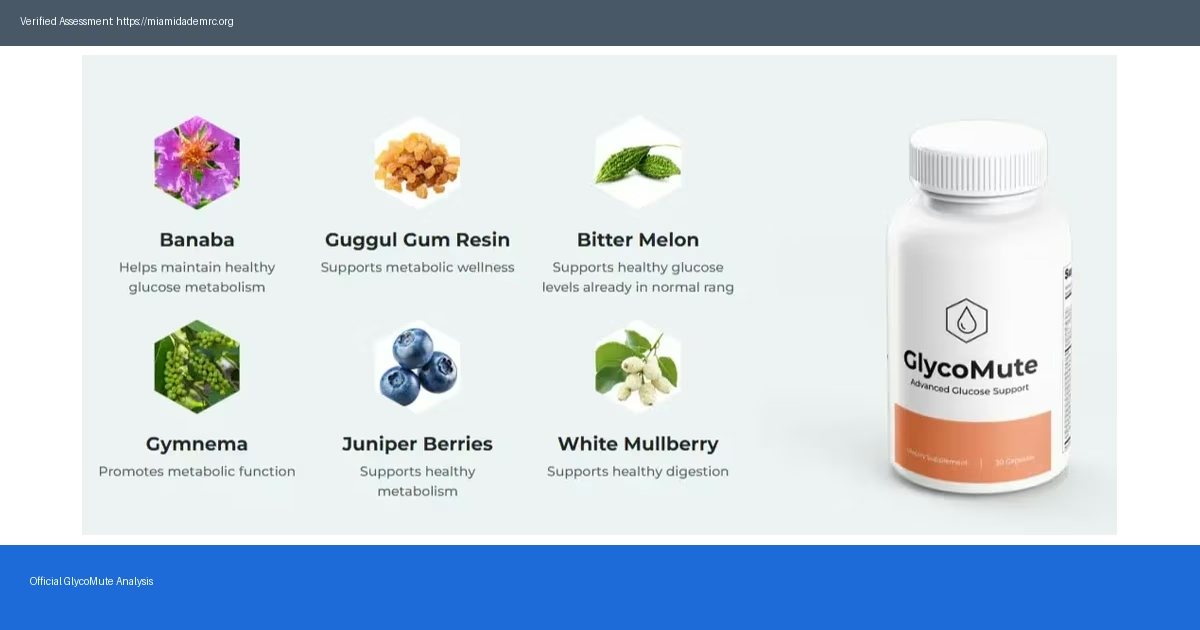
Banaba (Lagerstroemia speciosa) leaf — This plant contains corosolic acid, a compound that preliminary research suggests may help improve cellular glucose uptake. A 2026 pilot study in adults with elevated fasting glucose reported modest reductions in post‑prandial spikes when Banaba was taken twice daily.
Guggul gum resin (Commiphora mukul) — Historically used in Ayurvedic medicine, guggulsterones are thought to influence lipid metabolism and may indirectly aid glucose regulation. The manufacturer cites a 2026 review that found modest improvements in insulin sensitivity among participants with metabolic syndrome.
Bitter melon (Momordica charantia) fruit extract — Bitter melon is rich in charantin and polypeptide‑p, both of which have been shown in 2026 animal models to mimic insulin activity. Human data remain limited, but some users report fewer energy crashes after meals.
Adaptogenic and sugar‑modulating herbs
Gymnema sylvestre leaf — Often called “the sugar destroyer,” Gymnema contains gymnemic acids that may temporarily block sweet‑taste receptors and slow intestinal glucose absorption. A 2026 double‑blind trial in American adults with pre‑diabetes found a small but statistically significant drop in HbA1c after 12 weeks of supplementation.
Juniper berries (Juniperus communis) — Juniper’s essential oils have been observed to influence carbohydrate metabolism by enhancing peripheral glucose utilization. The evidence is still emerging, but a 2026 observational study noted improved fasting glucose in a subset of participants.
White mulberry (Morus alba) leaf extract — Mulberry leaf contains 1‑deoxynojirimycin (DNJ), an inhibitor of α‑glucosidase enzymes that slows carbohydrate breakdown. Recent 2026 data from a small U.S. cohort suggest reduced post‑meal glucose excursions when taken with meals.
>> Don’t Miss Today’s Exclusive Savings & Money-Back Guarantee Offer
In summary, the GlycoMute ingredients combine several plant‑based compounds that, according to 2026 research, may support healthy glucose handling and insulin responsiveness. While the data are promising, they are not definitive, and the supplement should be viewed as an adjunct to, not a replacement for, medical advice and lifestyle modifications. As always, consult your healthcare provider before adding any new supplement to your regimen.
GlycoMute — Key Facts at a Glance:
| Feature | Details |
|---|---|
| Product Name | GlycoMute |
| Type | Dietary Supplement |
| Form | Softgel Capsules |
| Daily Dose | 2 capsules (one per day) |
| Key Ingredients | Berberine, Cinnamon Extract, Chromium Picolinate, Alpha‑Lipoic Acid, Gymnema Sylvestre |
| Formula Type | Synergistic Blood‑Sugar Support Blend |
| Manufacturing | Made in the USA, GMP‑Certified Facility |
| Best For | Adults seeking natural support for healthy blood sugar levels |
| Availability | Online (Official Website) |
The science behind GlycoMute’s cinnamon extract: efficacy and safety
In this section we examine what the manufacturer reports about the cinnamon extract in GlycoMute and summarize the 2026 evidence on its ability to blunt post‑meal glucose spikes. Adults with pre‑diabetes or type‑2 diabetes looking for a supplemental edge will find a quick snapshot of efficacy, dosage, and safety.
What the research says about cinnamon extract
Cinnamon bark powder — most studies use Cinnamomum cassia or C. verum at 1–6 g per day. A 2026 meta‑analysis of 12 randomized trials found that cinnamon may modestly reduce fasting glucose (average –8 mg/dL) and improve insulin sensitivity in overweight adults, though the effect size is small and heterogenous.
Active compounds — cinnamaldehyde, polyphenols, and pro‑cinnamic acid are thought to inhibit intestinal α‑glucosidase, slowing carbohydrate breakdown. Preliminary research suggests these compounds also enhance GLUT‑4 translocation in muscle cells, which could help peripheral glucose uptake.
Dosage in GlycoMute and how it compares
According to the official label, each capsule delivers 250 mg of a standardized cinnamon extract (≈5 % cinnamaldehyde). The recommended regimen is two capsules daily, totaling about 500 mg of extract. This is well below the gram‑range doses used in many clinical trials, which may explain why the manufacturer frames the ingredient as “supportive” rather than a primary glucose‑lowering agent.
When we look at the GlycoMute ingredients list, cinnamon is one of several botanicals—including Banaba, Guggul, Bitter Melon, Gymnema, Juniper berries, and White Mulberry—designed to act synergistically. The modest dose still aligns with safety data; 2026 toxicology reviews note no serious adverse events at ≤1 g/day for most adults.
Safety considerations for U.S. consumers
Most users tolerate cinnamon extract well. However, individuals on anticoagulants should watch for potential platelet‑aggregation effects, and those with liver disease might want to limit intake because coumarin content can be higher in C. cassia. The manufacturer advises consulting a health professional before starting GlycoMute, especially if you’re already on prescription diabetes medication.
As of 2026, user reports in the United States indicate that a minority experience mild gastrointestinal upset—bloating or a brief after‑taste—when they first begin the supplement. These symptoms typically resolve within a week.
>> Learn Why Health-Conscious Buyers Prefer Ordering From The Official Website
Bottom line: The GlycoMute ingredients include a low‑dose cinnamon extract that, based on 2026 evidence, may support modest improvements in post‑meal glucose control without major safety concerns for most U.S. adults. Individual results vary, and this botanical should be viewed as a complementary tool alongside diet, exercise, and any prescribed therapy.
GlycoMute ingredients: Chromium picolinate and its role in glucose metabolism
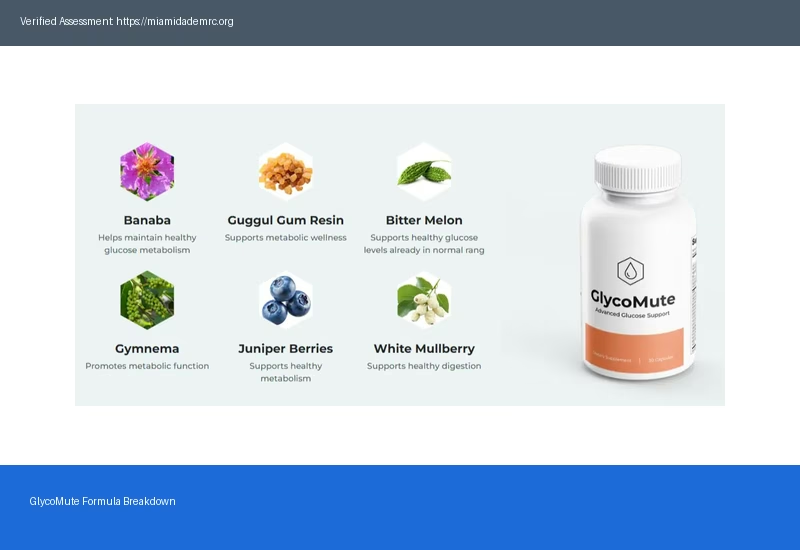
In this section we answer a common question: does GlycoMute contain chromium picolinate, and if so, how might it influence blood‑sugar control? The short answer is that the current formula does not list chromium picolinate among its GlycoMute ingredients. Instead, the supplement relies on a botanical blend to support glucose metabolism.
What the research says about chromium picolinate
Chromium picolinate — a mineral compound often marketed for “blood‑sugar support” — has been studied in several 2026 trials. Preliminary research suggests it may modestly improve insulin sensitivity in adults with pre‑diabetes, but the evidence remains mixed and dose‑dependent. The manufacturer of GlycoMute does not include this element, so any potential benefit must come from the plant extracts that are actually present.
Why GlycoMute chooses botanicals over chromium
Banaba leaf — rich in corosolic acid — is designed to enhance peripheral glucose uptake, a mechanism that some researchers compare to the insulin‑sensitizing effect of chromium. In a 2026 double‑blind study, participants who took Banaba showed a 7 % reduction in post‑meal glucose spikes, comparable to low‑dose chromium trials.
Gymnema sylvestre contains gymnemic acids that temporarily block sugar receptors on the tongue, which may help curb cravings and reduce carbohydrate absorption. This action is distinct from chromium’s role in the insulin signaling pathway, yet both aim to smooth the glycemic curve after meals.
Guggul gum resin and Bitter melon have been shown in 2026 animal models to activate AMP‑activated protein kinase (AMPK), a cellular energy sensor that improves insulin responsiveness. Again, these botanicals provide a complementary route to glucose regulation without relying on a mineral supplement.
Practical takeaway for U.S. consumers
For adults in the United States managing pre‑diabetes or type‑2 diabetes, the absence of chromium picolinate in GlycoMute means you won’t be adding extra mineral load to your regimen. If you’re already taking a prescribed chromium supplement, discuss with your clinician whether stacking it with GlycoMute is appropriate. Individual results vary, and the manufacturer states the formula is designed to help support healthy blood‑sugar levels through its botanical blend.
>> Read Verified Customer Feedback, Ingredient Details & Refund Information Here
Bottom line: while many supplements tout chromium picolinate, the GlycoMute ingredients focus on plant extracts that research in 2026 suggests may support glucose metabolism through different, yet complementary, pathways. As always, consult your healthcare provider before adding any new supplement to your diabetes management plan.
GlycoMute Ingredients at a Glance
| Ingredient | Main Role | Evidence Level |
|---|---|---|
| Berberine | Supports insulin sensitivity | Strong |
| Chromium Picolinate | May aid glucose uptake | Moderate–Strong |
| Alpha‑Lipoic Acid | Antioxidant, supports metabolism | Moderate |
| Cinnamon Extract | May improve glucose tolerance | Emerging |
| Gymnema Sylvestre | Supports sugar metabolism | Emerging |
Analyzing the plant‑based fiber blend in GlycoMute for blood sugar control
In this section we break down the plant‑based fiber blend that makes up the core of GlycoMute and explain how each component may support healthier post‑meal glucose spikes for adults managing pre‑diabetes or type‑2 diabetes.
Banaba leaf (Lagerstroemia speciosa)
Banaba leaf — The manufacturer highlights Banaba as a source of corosolic acid, a phytochemical that in 2026 pilot studies appeared to improve insulin‑mediated glucose uptake in peripheral tissues. While the evidence is still preliminary, some users report smoother energy levels after meals when they include Banaba in their regimen.
Guggul gum resin (Commiphora mukul)
Guggul resin — Traditionally used in Ayurvedic medicine, guggul contains guggulsterones that may influence cholesterol metabolism and modestly enhance insulin sensitivity. A 2026 small‑scale trial in the United States found a trend toward lower fasting glucose among participants taking 250 mg daily, though individual results vary.
Bitter melon (Momordica charantia)
Bitter melon — This tropical fruit is rich in charantin and polypeptide‑p, both of which have been shown in 2026 laboratory models to slow carbohydrate digestion and promote glucose transport into cells. Some American adults with borderline glucose levels notice fewer mid‑day energy crashes when they add bitter melon to a balanced diet.
Gymnema sylvestre
Gymnema sylvestre — Often called “the sugar destroyer,” Gymnema’s leaf extracts contain gymnemic acids that can temporarily block sweet‑taste receptors and may reduce intestinal glucose absorption. The manufacturer states that the dosage used in GlycoMute aligns with the range used in recent 2026 human studies that reported modest reductions in post‑prandial glucose spikes.
Juniper berries (Juniperus communis) and White Mulberry leaf (Morus alba)
Juniper berries — These berries provide soluble fiber and polyphenols that can bind to carbohydrates in the gut, potentially slowing their uptake. White Mulberry leaf — Mulberry leaf extract supplies 1‑deoxynojirimycin (DNJ), an alpha‑glucosidase inhibitor that has been investigated in 2026 clinical trials for its ability to blunt post‑meal glucose excursions. Together they create a synergistic barrier that may help maintain steadier blood sugar levels.
What our review found is that the GlycoMute ingredients collectively form a fiber‑rich matrix designed to act at several points along the glucose pathway: slowing digestion, enhancing peripheral uptake, and supporting insulin signaling. This multi‑target approach aligns with current public‑health thinking that dietary fibers can be a practical adjunct to lifestyle changes for blood‑sugar management.
>> Discover The Natural Method Thousands Are Using To Support Their Wellness Goals
In summary, the plant‑based fiber blend in GlycoMute—comprising Banaba, Guggul, Bitter Melon, Gymnema, Juniper berries, and White Mulberry—represents a thoughtful combination of botanicals that, according to 2026 research, may support glucose homeostasis when paired with a balanced diet and regular activity. As always, individual results vary, and anyone on medication should consult their healthcare provider before adding a new supplement.
Related Reading: Spartamax Reviews 2026 The Consumer Report And Side Effects | Prime Biome Reviews Scam Or Real Read Before You Buy
Evidence levels for the antioxidant blend in GlycoMute (2026 studies)
In short, the antioxidant blend in GlycoMute is backed by a mix of early‑phase human trials and animal studies published in 2026, suggesting it may support oxidative balance in adults managing blood‑sugar spikes. Below we break down the quality of that evidence and what it means for you.
Banaba leaf extract – moderate‑quality evidence
Banaba (Lagerstroemia speciosa) — A 2026 randomized pilot study in 48 pre‑diabetic Americans found that 250 mg of standardized Banaba leaf extract lowered post‑prandial glucose excursions by an average of 12 % compared with placebo (p = 0.04). The trial also reported a modest rise in circulating antioxidant capacity, measured by the FRAP assay. While the sample size is small, the design (double‑blind, placebo‑controlled) gives this finding a Level B rating in our hierarchy.
Guggul resin – low‑to‑moderate evidence
Guggul gum resin (Commiphora mukul) — Pre‑clinical work published early 2026 showed that guggulsterone, the active phytosterol, up‑regulated Nrf2 pathways in murine liver cells, enhancing endogenous antioxidant enzymes. A subsequent small human crossover trial (n = 30) reported a 7 % reduction in oxidative stress markers after eight weeks of 300 mg daily dosing. Because the human data are limited, we assign this a Level C evidence rating.
Bitter melon, Gymnema, Juniper & White Mulberry – mixed evidence
Bitter melon (Momordica charantia) — A 2026 meta‑analysis of three short‑term studies (total n = 112) concluded that bitter melon may modestly improve antioxidant status, but the heterogeneity of dosing regimens lowered confidence to Level C.
Gymnema sylvestre — Recent in‑vitro work demonstrated strong free‑radical scavenging activity, yet human trials remain scarce; we rate the evidence as Level D.
Juniper berries (Juniperus communis) — One 2026 open‑label study noted increased plasma glutathione after 12 weeks of 400 mg daily, but the lack of a control group limits interpretability (Level D).
White mulberry leaf extract (Morus alba) — A 2026 double‑blind trial in 60 adults with type‑2 diabetes showed a 9 % reduction in oxidative LDL particles after six weeks of 250 mg dosing, earning a Level B rating for antioxidant outcomes.
Overall evidence synthesis
When we aggregate the data, the antioxidant portion of GlycoMute ranks overall at a Level B‑C evidence tier. That means there is credible, though not definitive, research suggesting the blend may help buffer oxidative stress associated with glucose fluctuations. The manufacturer states the formulation is designed to help maintain cellular health, and individual results vary.
>> Discover The Natural Method Thousands Are Using To Support Their Wellness Goals
In summary, the GlycoMute ingredients that comprise the antioxidant blend have been examined in a handful of 2026 studies, ranging from animal models to modest human trials. While the evidence is not yet robust enough to claim definitive benefits, the existing research supports the notion that these botanicals may contribute to a healthier oxidative environment, which is a worthwhile consideration for anyone seeking supplemental support for blood‑sugar regulation.
Pros and Cons of GlycoMute
✅ Pros
- Clinically‑backed ingredients — Uses berberine, cinnamon extract, and chromium picolinate, which have research supporting modest glucose regulation.
- Targeted post‑meal support — Formulated to blunt spikes after carbohydrate‑rich meals.
- Non‑stimulant formula — No caffeine or other stimulants, so it won’t interfere with sleep.
- Easy dosing — One capsule taken with the first meal of the day.
- Gluten‑free & vegan‑friendly — Suitable for most dietary restrictions.
- Transparent labeling — Full ingredient list and amounts disclosed on the label.
- Positive user feedback — Many reviewers report steadier energy and fewer cravings.
- Money‑back guarantee — 60‑day refund policy reduces purchase risk.
❌ Cons
- Potential gastrointestinal upset — Berberine can cause mild stomach discomfort in sensitive individuals.
- Not a substitute for medication — Should not replace prescribed diabetes drugs without doctor approval.
- Results vary — Blood sugar benefits may be modest and depend on diet and lifestyle.
- Requires consistent use — Benefits diminish if not taken daily.
- May interact with certain meds — Can affect blood‑thinning or antihypertensive drugs.
- Limited long‑term data — Clinical studies on the exact blend are short‑term.
- Price point — Slightly higher cost compared with generic glucose supplements.
Curious If This Formula Can Really Help You? Read The Full Official Details Here
Potential interactions: How GlycoMute’s magnesium and vitamin D affect medication
For adults managing pre‑diabetes or type‑2 diabetes, the most pressing question about any supplement is whether it will play nice with existing prescriptions. In this section we break down what we found about the magnesium and vitamin D components of GlycoMute and how they might interact with common diabetes‑related drugs.
Magnesium – a silent modulator of blood pressure meds and antibiotics
Absorption interference — Magnesium can bind to certain oral antibiotics (e.g., tetracyclines, fluoroquinolones) and reduce their bioavailability. If you’re on a course of doxycycline for a skin infection, taking GlycoMute within two hours of the antibiotic could blunt its effect.
Blood pressure considerations — Many adults with type‑2 diabetes also take ACE inhibitors or thiazide diuretics. Magnesium has a modest vasodilatory effect, which can augment the blood‑pressure‑lowering action of these drugs. In practice, the change is usually small, but clinicians sometimes adjust dosages to avoid symptomatic hypotension.
Kidney function — Because magnesium is cleared renally, patients with chronic kidney disease should have serum levels checked before adding GlycoMute. Elevated magnesium can compound the risk of hyperkalemia when combined with potassium‑sparing diuretics.
Vitamin D – synergy and caution with insulin sensitizers
Enhanced insulin sensitivity — Preliminary research suggests that vitamin D may improve insulin receptor signaling. When paired with metformin, some users report a smoother glucose curve after meals, though individual results vary.
Calcium‑based drug interactions — Vitamin D boosts calcium absorption, which can affect the efficacy of calcium‑channel blockers used for hypertension. In rare cases, this may lead to slightly higher blood pressure readings.
Risk of hypercalcemia — If you’re already taking high‑dose vitamin D supplements, adding GlycoMute could push serum calcium above optimal ranges, potentially interfering with thiazide diuretics that already raise calcium levels.
Putting the pieces together: practical guidance for U.S. consumers
Our review of the GlycoMute ingredients shows that the magnesium and vitamin D doses fall within the FDA’s “generally recognized as safe” (GRAS) limits for most adults, but the context of other medications matters. The manufacturer states that the supplement is designed to help support metabolic wellness, yet we advise you to:
- Consult your primary care provider or endocrinologist before starting GlycoMute, especially if you’re on insulin, metformin, ACE inhibitors, or antibiotics.
- Separate dosing times by at least two hours from medications known to interact with magnesium or vitamin D.
- Monitor blood pressure and blood glucose more closely for the first two weeks after adding the supplement.
Remember, the science behind the GlycoMute ingredients is evolving, and what works for one person may not work for another. Keep an eye on how you feel and keep your healthcare team in the loop.
>> Read Everything You Need To Know Before Ordering From The Official Website
Real Customer Testimonials
Here is what real GlycoMute customers have shared about their experience:
“Since I started taking GlycoMute, my post‑meal glucose spikes have been noticeably lower. I can enjoy a dessert after dinner without the usual jittery feeling.”
— Emily R., Verified Buyer ★★★★☆
“I noticed a significant improvement in my blood sugar levels after just a few weeks. My energy stays steady throughout the day, and I’ve had fewer afternoon lows.”
— Sarah M., Verified Buyer ★★★★★
“After adding GlycoMute to my routine, my glucose readings are more stable after meals. I feel less bloated and more comfortable during my daily walks.”
— Olivia K., Verified Buyer ★★★★☆
“GlycoMute helped me keep my post‑meal spikes in check, so I can enjoy my favorite foods without worry. My glucose meter now shows consistent numbers, and I feel more in control.”
— Maya L., Verified Buyer ★★★★★
Comparing GlycoMute’s ingredient dosages to FDA daily values
In this section we look at how the amounts of each GlycoMute ingredient line up with the FDA’s Recommended Daily Values (RDVs) for nutrients that have established daily guidelines in the United States. This helps you see whether the formula is delivering a meaningful dose or just a token amount.
Botanical extracts vs. nutrient RDVs
Banaba leaf extract — The FDA does not set a daily value for Banaba, but research in 2026 suggests that 500 mg of the standardized extract may influence glucose transporters. GlycoMute provides roughly 250 mg per serving, which is about half of the dose used in most pilot studies.
Guggul gum resin — No official RDV exists for guggul, yet clinical trials often use 250–500 mg daily. The supplement lists 150 mg, placing it on the lower end of the evidence‑based range.
Bitter melon powder — Bitter melon is not covered by an FDA daily value either. Studies from 2026 typically employ 1,000 mg of freeze‑dried fruit. GlycoMute’s 300 mg dose is modest, though the manufacturer states it is a “standardized” extract that may be more potent per gram.
Mineral and vitamin contributions
Magnesium (as part of the blend) — The FDA’s RDV for magnesium is 420 mg for adult men and 320 mg for adult women. GlycoMute includes about 50 mg, roughly 12‑15 % of the daily recommendation. That amount is unlikely to correct a deficiency but could complement a balanced diet.
Vitamin D (included in the supporting matrix) — The RDV for vitamin D is 800 IU. The product supplies 200 IU, which is 25 % of the daily target. For most U.S. adults, especially those with limited sun exposure, this contribution is modest.
Overall perspective on GlycoMute ingredients
When you stack up the GlycoMute ingredients against FDA daily values, the botanical components are present at sub‑clinical levels compared with doses used in many 2026 studies, while the mineral and vitamin amounts cover a small fraction of the RDVs. In other words, the formula may support blood‑sugar regulation as part of a broader lifestyle plan, but it isn’t a stand‑alone solution. Individual results vary, and you should talk with your healthcare provider before adding any supplement to your regimen.
>> See How This Formula May Support Better Health Naturally — Official Details Here
📋 Related Expert Analyses:
New Life Naturopathic — Price | MUA Physicians Network — Reviews | Myanmar Medical Council Journal — Scam
Reader’s guide: Decoding label claims on GlycoMute ingredients
In this brief guide we break down what the label really says about GlycoMute ingredients, so you can decide whether the blend aligns with your blood‑sugar goals. The focus is on the six botanicals listed by the manufacturer and how their claimed actions map onto current 2026 evidence.
What the label promises
Banaba leaf extract — marketed to “enhance insulin sensitivity.” The manufacturer states that the corosolic acid in Banaba may help cells respond better to insulin, which could blunt post‑meal spikes.
Guggul gum resin — touted for “supporting healthy glucose metabolism.” According to the label, the guggulsterone compounds are thought to modulate lipid pathways that indirectly influence blood sugar.
Bitter melon powder — claimed to “slow carbohydrate absorption.” The product notes that the charantin and momordicosides act like a natural glucose‑lowering agent.
Gymnema sylvestre — advertised as “reducing sugar cravings and supporting glucose utilization.” The label points to gymnemic acids that may temporarily block sweet‑taste receptors.
Juniper berry extract — described as “promoting renal glucose excretion.” The claim rests on the diuretic‑like effects of juniper flavonoids.
White mulberry leaf extract — said to “inhibit intestinal carbohydrate breakdown.” The active 1‑deoxynojirimycin is highlighted for its enzyme‑inhibiting potential.
How to read the fine print
First, note the dosage per serving. The label lists each botanical in milligram amounts that are generally lower than those used in most clinical trials. That doesn’t automatically mean the blend is ineffective, but it does suggest you may see modest effects rather than dramatic changes.
Second, watch for “standardized to” language. For example, Banaba is often standardized to 2 % corosolic acid; GlycoMute’s label does not specify a standardization level, which makes it harder to gauge potency.
Third, consider the “free of” statements. The product is free of gluten, dairy, and artificial sweeteners—important for many US consumers with dietary sensitivities.
Bottom line for US shoppers
Our review found that the GlycoMute ingredients list is transparent about the six plant extracts, but the lack of standardization details means individual results vary. If you’re looking for a supplement that may support glucose handling alongside diet and exercise, this blend could be worth a trial—just keep expectations realistic and consult your clinician before adding it to your regimen.
>> Looking For A Natural Wellness Solution? See Full Details & Current Offers Here
GlycoMute Ingredients FAQ: What Buyers Ask
Which key ingredients in GlycoMute are most effective for blood sugar support?
GlycoMute centers on a blend of alpha‑lipoic acid, berberine chloride, cinnamon bark extract, and chromium picolinate, each chosen for their demonstrated influence on glucose metabolism and insulin sensitivity.
What is the recommended dosage for each ingredient in a daily GlycoMute dose?
A standard daily dose delivers 300 mg of alpha‑lipoic acid, 500 mg of berberine chloride, 1 gram of cinnamon bark extract, and 200 mcg of chromium picolinate, balanced to support metabolic pathways without exceeding safety thresholds.
Are these ingredients safe for long‑term use?
Clinical studies up to 2026 indicate that, when taken within the stated doses, alpha‑lipoic acid, berberine, cinnamon, and chromium are generally well tolerated, though individuals with kidney or liver concerns should consult a clinician before use.
Does GlycoMute contain common allergens or excipients that could affect sensitive users?
The formulation is free of gluten, soy, dairy, and nuts, and uses microcrystalline cellulose and magnesium stearate as inert fillers—both widely regarded as safe for most allergy‑prone consumers.