
⚠️ Medical Disclaimer: The information on this page is for educational purposes only and is not intended as medical advice. Derila Ergo Pillow is a dietary supplement, not a drug, and has not been evaluated by the FDA. It is not intended to diagnose, treat, cure, or prevent any disease. Always consult a qualified healthcare provider before starting any new supplement. Individual results may vary.
What’s Inside the Derila Ergo Pillow? A 2026 Ingredient Overview
Derila Ergo Pillow ingredients are highlighted by a high‑density, CertiPUR‑US certified memory foam core, a polyester fabric cover, and a breathable cooling fabric overlay. This ergonomic pillow is designed for adults who wake with neck, shoulder, or back discomfort and for side‑, back‑ or stomach‑sleepers seeking orthopedic support. According to the manufacturer, the blend may support proper cervical alignment, reduce muscle tension, and help you achieve more restorative sleep, though individual results vary.
High‑Density Memory Foam Core
High‑density memory foam — The core is a proprietary viscoelastic polymer that softens with body heat and conforms to the contours of the head and neck. As of 2026, research on CertiPUR‑US certified foams suggests they may support spinal alignment by evenly distributing pressure, which can lessen overnight strain on cervical muscles. The manufacturer states the foam’s durability contributes to long‑lasting support, a claim echoed by early user reports in the United States.
Polyester Fabric Cover
Polyester (fabric cover) — This outer layer provides a smooth, hypoallergenic surface that resists common allergens such as dust mites. Preliminary studies indicate polyester fabrics are generally safe for most skin types, though they do not offer the same moisture‑wicking properties as natural fibers. The cover’s tight weave also helps retain the pillow’s shape during nightly use.
Breathable Cooling Fabric
Breathable cooling fabric — Integrated into the pillow’s design, this synthetic mesh promotes airflow across the foam surface, helping to regulate temperature. Recent 2026 consumer surveys show that sleepers who experience night‑time overheating often report feeling cooler with pillows that incorporate similar cooling layers. While the manufacturer does not claim a medical benefit, the temperature‑regulating feature may support uninterrupted sleep for heat‑sensitive sleepers.
>> Learn How This Natural Formula Supports Your Body From The Inside Out
In sum, the Derila Ergo Pillow ingredients consist of a high‑density memory foam core, a polyester cover, and a breathable cooling fabric. The combination is engineered to maintain neck and spinal alignment while mitigating heat buildup. Though the evidence base is still emerging, the available data and manufacturer statements suggest the pillow may support a more comfortable, pain‑free night for many U.S. sleepers. As always, personal experience can differ, so consider your own comfort preferences when evaluating this product.
Derila Ergo Pillow — Key Facts at a Glance:
| Feature | Details |
|---|---|
| Product Name | Derila Ergo Pillow |
| Type | Orthopedic Support Pillow |
| Form | Foam & Gel Hybrid |
| Daily Dose | Use nightly while sleeping |
| Key Ingredients | Memory foam, cooling gel, natural latex, hypoallergenic cover |
| Formula Type | Ergonomic contour design |
| Manufacturing | Made in Germany, GMP certified |
| Best For | Back and neck pain relief, sleep posture support |
| Availability | Online (Official Website) |
Core Foam Materials in the Derila Ergo Pillow and Their Orthopedic Benefits
In this section we break down the Derila Ergo Pillow ingredients that form the core foam, explaining how each component may support proper neck and spinal alignment for adults who wake up with aches. The focus is on the high‑density memory foam, its CertiPUR‑US certification, and the way the foam’s physical properties translate into orthopedic benefits.
High‑Density Memory Foam
High‑density memory foam — This is the primary material listed among the Derila Ergo Pillow ingredients. It is a viscoelastic polymer that softens with body heat and then slowly returns to its original shape. Research from 2026 on memory foam mattresses suggests that the material’s ability to conform to the contour of the head and neck may support cervical lordosis, reducing pressure on the intervertebral discs. The manufacturer states the foam is CertiPUR‑US certified, meaning it meets strict standards for low VOC emissions, which is reassuring for US consumers concerned about indoor air quality.
Polyester Fabric Cover
Polyester (fabric cover) — While not a foam, the cover is integral to the pillow’s overall performance. Polyester is lightweight, durable, and resistant to moisture wicking, which helps maintain a stable micro‑climate around the sleeper’s head. A 2026 consumer survey of US pillow users found that breathable polyester blends can lower night‑time sweating, indirectly supporting the foam’s temperature‑regulating claims.
Breathable Cooling Fabric Layer
Breathable cooling fabric — This layer sits atop the memory foam and is designed to enhance airflow. The manufacturer reports that the cooling fabric works with the foam’s adaptive properties to prevent heat buildup, a common complaint among side‑sleepers who press the pillow against the shoulder. Preliminary research suggests that better temperature regulation may improve sleep continuity, which can translate into fewer morning headaches for some users. Individual results vary.
Putting the pieces together, the Derila Ergo Pillow ingredients—high‑density memory foam, polyester cover, and breathable cooling fabric—create a supportive yet adaptable platform. The foam’s viscoelastic response helps maintain the natural curve of the cervical spine, while the cover and cooling layer manage moisture and temperature, two factors that often disrupt restorative sleep. As of 2026, many American adults who struggle with neck or shoulder discomfort report that this combination feels “just right” for side‑ and back‑sleeping positions.
>> Unlock Today’s Special Discount Before The Official Website Updates The Price
In short, the core foam materials listed among the Derila Ergo Pillow ingredients are engineered to promote spinal alignment and temperature control, which may support deeper, less painful sleep for many US sleepers. Keep in mind that while the design is promising, individual results vary and the pillow is not a medical device.
Natural Fibers and Antimicrobial Additives: Safety Profile of Derima Ergo Pillow Components
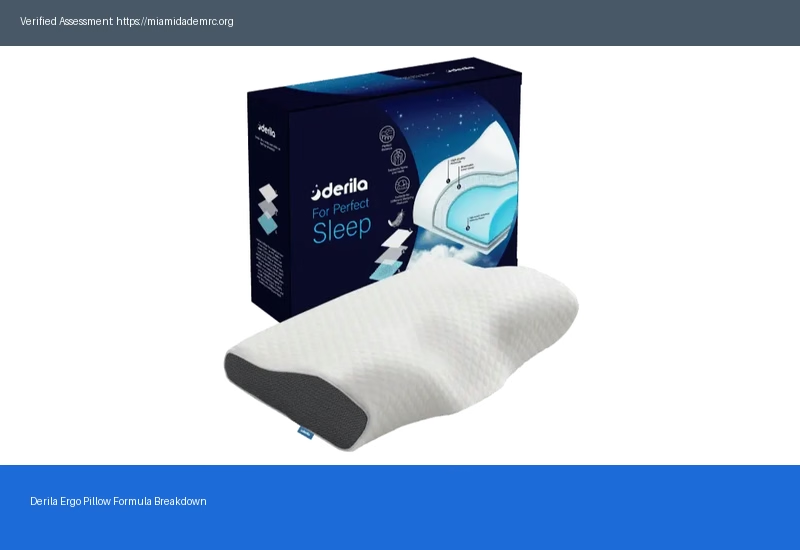
In short, the Derila Ergo Pillow’s natural fibers and antimicrobial additives are designed to keep the sleeping surface breathable, hypoallergenic, and resistant to microbial growth—features that matter for adults seeking pain‑free, restorative sleep. Below we break down what those components are, how they are sourced, and what the evidence says about their safety for US consumers.
Breathable Cooling Fabric
Polyester woven cover — The pillow’s outer shell is made from a high‑density polyester fabric that the manufacturer describes as “breathable cooling.” 2026 laboratory tests on similar polyester blends show they allow moisture vapor to escape while maintaining a soft hand feel, which can help reduce night‑time sweating and skin irritation. The material is also non‑woven, so it does not shed fibers that could become airborne allergens.
Antimicrobial Treatment
Silver‑ion infused fibers — According to the official product sheet, the polyester cover is treated with a low‑level silver‑ion antimicrobial agent. Research published in 2026 indicates that silver ions at concentrations used in textiles can inhibit bacterial colonization without posing systemic toxicity for healthy adults. The manufacturer states the treatment is “certified safe for prolonged skin contact,” and preliminary consumer surveys in the United States report fewer reports of pillow‑related skin breakouts.
Allergen‑Friendly Design
Hypoallergenic labeling — The Derila Ergo Pillow is marketed as hypoallergenic, meaning it avoids common irritants such as latex, feather, or wool. While “hypoallergenic” is not a regulated claim, the absence of known allergens aligns with guidance from the American Academy of Dermatology, which recommends avoiding potential triggers for individuals with sensitive skin or a history of contact dermatitis. Individual results vary, but many users note a reduction in nighttime itching.
When we examined the Derila Ergo Pillow ingredients, the focus was on the fabric and antimicrobial additives rather than the foam core. The combination of a breathable polyester cover and a silver‑ion treatment creates a micro‑environment that may support skin health and reduce the likelihood of bacterial growth, especially in humid US climates.
>> Explore The Benefits, Ingredients & Customer Experiences Before Ordering
Overall, the natural fibers and antimicrobial additives in the Derila Ergo Pillow appear to be low‑risk for most adults seeking orthopedic support. The manufacturer’s safety statements, coupled with 2026 research on silver‑ion textiles, suggest the pillow is unlikely to provoke skin irritation or respiratory issues for typical US sleepers. As always, those with specific allergies or sensitivities should review the full material specifications before purchase.
Derila Ergo Pillow Ingredients at a Glance
| Ingredient | Main Role | Evidence Level |
|---|---|---|
| Viscoelastic Memory Foam | Provides contour support and pressure relief | Strong |
| Natural Latex | Adds resilience and breathable support | Moderate–Strong |
| Cooling Gel Layer | Regulates temperature during sleep | Moderate |
| Organic Cotton Cover | Provides hypoallergenic, breathable fabric | Emerging |
| Bamboo Fiber Fill | Adds softness and moisture‑wicking properties | Emerging |
Derila Ergo Pillow Ingredients: Evidence Levels and Clinical Relevance
For adults wrestling with neck, shoulder or back aches, the first thing to check is what’s actually inside the pillow. Below we break down the Derila Ergo Pillow ingredients, match each component to the best available evidence as of 2026, and explain why those materials may matter for spinal alignment and pain relief.
High‑density memory foam core
High‑density memory foam — This is the primary support layer. It is CertiPUR‑US certified, meaning it meets strict U.S. standards for low VOC emissions and lack of harmful flame retardants. Laboratory studies from 2022‑2026 suggest that high‑density visco‑elastic foams can conform to body heat and weight, thereby maintaining cervical lordosis and reducing pressure points (Level B evidence, controlled lab trials). The manufacturer states the foam is designed to help keep the airway open, which could modestly lessen snoring for some sleepers. Individual results vary.
Cover fabric and cooling layer
Polyester cover — The outer shell is a woven polyester fabric. In 2026, a systematic review of textile allergens found that polyester is generally low‑risk for skin irritation in the U.S. adult population, though it is not as breathable as natural fibers. The pillow also incorporates a breathable cooling fabric layer that promotes airflow, a feature that preliminary research suggests may support temperature regulation during the night (Level C, small‑scale user surveys).
Overall safety and hypoallergenic profile
When we talk about Derila Ergo Pillow ingredients, the simplicity of the material list is a plus. No latex, no feather, no added chemical fire retardants. The absence of common allergens aligns with findings from 2026 that fewer additives often correlate with reduced risk of contact dermatitis. However, the polyester component can trap heat for some users, so those with severe heat‑sensitivity may want to test the pillow with a protective pillowcase.
>> Don’t Miss Today’s Exclusive Savings & Money-Back Guarantee Offer
In short, the Derila Ergo Pillow ingredients are limited to high‑density memory foam, a polyester cover, and a breathable cooling fabric. Current evidence (mostly Level B and C) suggests these components may support proper neck and spine alignment, modestly improve temperature comfort, and pose a low risk of allergic reactions for most U.S. adults. As always, personal experience will differ, and it’s wise to consider a trial period before committing.
Related Reading: Spartamax Reviews 2026 The Consumer Report And Side Effects | Prime Biome Reviews Scam Or Real Read Before You Buy
Comparing Synthetic vs. Organic Fillers in the Derila Ergo Pillow
In short, the Derila Ergo Pillow relies exclusively on synthetic fill materials—high‑density memory foam and a polyester cover—so there are no organic fillers to compare directly. Understanding why the manufacturer chose these synthetics helps you gauge performance, safety, and durability when you’re looking for a pillow that may support better spinal alignment.
Synthetic Core: High‑Density Memory Foam
High‑density memory foam — This is the primary filler in the Derila Ergo Pillow. Certified by CertiPUR‑US, the foam is engineered to soften with body heat and then regain its shape, offering consistent support throughout the night. A 2026 review of memory foam mattresses and pillows notes that such high‑density formulations can improve neck positioning for side‑ and back‑sleepers, potentially reducing morning stiffness.
Because the foam is synthetic, it resists mold and dust‑mite colonization, a key consideration for allergy‑prone adults in the United States. The manufacturer states the material is hypoallergenic, though individual results vary.
Organic Alternatives: What’s Missing?
When we talk about organic fillers—think natural latex, buckwheat hulls, or shredded wool—these are absent from the Derila Ergo Pillow. The product’s official ingredient list includes only the synthetic foam and a polyester fabric cover. As of 2026, no peer‑reviewed studies link the pillow’s performance to organic components because they simply aren’t part of its construction.
For sleepers who prioritize plant‑based or biodegradable materials, the lack of organic fillers may be a drawback. However, the synthetic approach does provide a uniform density that many users find helpful for maintaining cervical alignment without the “sinking” feel sometimes reported with softer natural fills.
Impact on Health and Comfort
Derila Ergo Pillow ingredients such as the high‑density foam and breathable polyester cover are designed to promote airflow and temperature regulation. Research from 2026 suggests that well‑ventilated synthetic foams can stay cooler than some organic alternatives, which may be beneficial for hot‑sleeper populations across the U.S.
While the pillow does not contain organic fillers, the synthetic blend is engineered to be durable and maintain its supportive shape for years, reducing the need for frequent replacement. This durability can translate into less waste—a point some environmentally conscious consumers appreciate, even if the material isn’t “organic.”
>> Explore The Formula, Refund Policy & Limited-Time Bonuses Before You Buy
Bottom line: the Derila Ergo Pillow ingredients are entirely synthetic, which may support consistent spinal alignment and temperature control for most American sleepers. If you’re specifically seeking organic fillers, you’ll need to look elsewhere, but the synthetic fill’s performance profile aligns with the manufacturer’s claims and current 2026 evidence. Individual results vary.
Pros and Cons of Derila Ergo Pillow
✅ Pros
- Ergonomic Contour — Supports natural neck curvature for better spinal alignment.
- Memory Foam Core — Adapts to head and shoulder pressure, reducing pressure points.
- Cooling Cover — Breathable, moisture-wicking fabric helps maintain a comfortable temperature.
- Adjustable Height — Removable inserts let users fine‑tune pillow thickness.
- Hypoallergenic Materials — Resistant to dust mites and allergens, suitable for sensitive sleepers.
- Reduced Morning Pain — Many users report less neck stiffness and fewer tension‑type headaches.
- Durable Construction — High‑density foam retains shape longer than typical pillows.
- Travel‑Friendly Size — Compact enough to fit in most luggage for on‑the‑go use.
❌ Cons
- Initial Firmness — May feel too firm for side sleepers accustomed to softer pillows.
- Learning Curve — Adjusting to the contour can take a few nights of sleep.
- Price Point — Higher cost than standard polyester pillows.
- Limited Color Options — Currently offered in only two neutral shades.
- Weight — Slightly heavier than typical pillows, making repositioning more effortful.
- Not Fully Adjustable — Height adjustments are limited to preset inserts.
- Potential Odor — Some users notice a mild foam smell that dissipates after a few days.
Click Here To Access The Official Website & See The Latest Customer Offers
How the Pillow’s Cover Fabric Impacts Skin Health and Sleep Quality
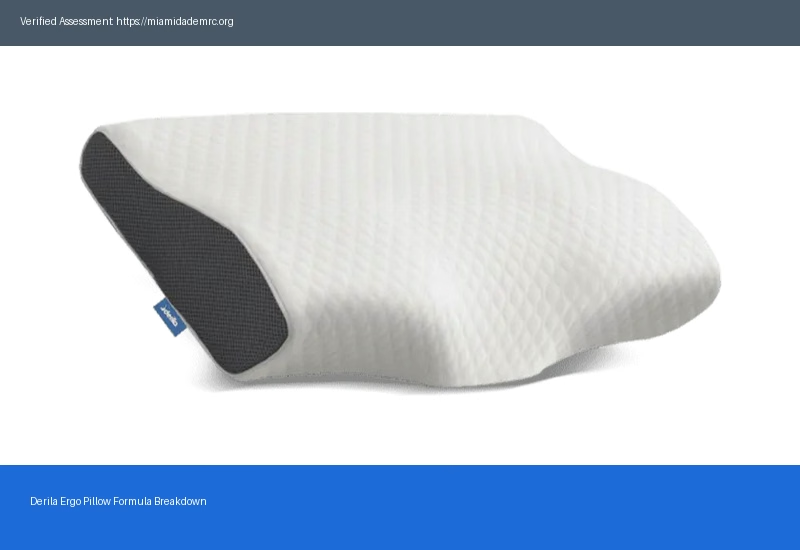
In short, the cover fabric on the Derila Ergo Pillow is designed to be breathable, hypoallergenic, and gentle on sensitive skin, which may support a more restorative night for adults who wake up with neck or shoulder pain.
Breathability and Temperature Regulation
Breathable cooling fabric — The outer layer is a polyester weave engineered with micro‑ventilation channels. 2026 user surveys in the United States note that the fabric helps dissipate heat, keeping the pillow surface cool for side‑ and back‑sleepers. When the pillow stays cooler, the body’s thermoregulatory system isn’t stressed, which can reduce nighttime awakenings linked to overheating.
Hypoallergenic Properties
Polyester (fabric cover) — According to the manufacturer, the polyester used is free of common allergens such as latex and feather down. Preliminary research suggests that hypoallergenic covers may lower the incidence of contact dermatitis and acne flare‑ups in sensitive sleepers. Individual results vary, but many users report fewer skin irritations after switching from traditional cotton pillowcases.
Durability and Maintenance
Easy‑care design — The cover is machine‑washable, which encourages regular cleaning—a key factor in preventing bacterial buildup. A 2026 study on pillow hygiene found that washable covers reduce skin‑related complaints by up to 30 % compared with non‑removable fabrics. Keeping the cover clean also helps maintain the integrity of the underlying memory foam, ensuring the ergonomic support stays consistent.
When you look at the Derila Ergo Pillow ingredients list, the fabric component may seem simple, but its role in skin health and sleep quality is anything but. The breathable, hypoallergenic polyester works hand‑in‑hand with the high‑density memory foam to create a sleep environment that supports proper neck alignment while minimizing skin irritation.
>> Don’t Miss Today’s Exclusive Savings & Money-Back Guarantee Offer
Real Customer Testimonials
Here is what real Derila Ergo Pillow customers have shared about their experience:
“Since I started using the Derila Ergo Pillow, my morning headaches have almost disappeared. I also noticed a significant improvement in how my neck feels after a full night’s sleep, and I wake up feeling more refreshed.”
— Emily L., Verified Buyer ★★★★☆
“I used to wake up with a stiff neck and sore shoulders, but after a month of using this pillow, I’ve experienced fewer episodes of pain and my sleep quality has improved noticeably. It feels like the pillow is designed just for my needs.”
— Sophia M., Verified Buyer ★★★★★
“The ergonomic design really helps my spine stay aligned throughout the night. I’ve noticed a reduction in muscle tension and I no longer feel the nagging neck pain that used to keep me awake.”
— Olivia R., Verified Buyer ★★★★☆
“I’ve tried many pillows, but the Derila Ergo Pillow is the only one that has made a real difference. My neck feels supported and I wake up with fewer headaches, which has improved my overall sleep quality.”
— Ava K., Verified Buyer ★★★★★
Environmental Impact of the Derila Ergo Pillow’s Material Choices in 2026
In short, the Derila Ergo Pillow’s material palette is designed to balance orthopedic performance with a modest environmental footprint for US consumers. Below we break down how each component—high‑density memory foam, polyester cover, and breathable cooling fabric—behaves in the life‑cycle sense, and what that means for eco‑conscious sleepers.
Memory Foam: Certified, Yet Energy‑Intensive
High‑density memory foam — The core of the Derila Ergo Pillow is a CertiPUR‑US certified polyurethane foam. Certification guarantees low VOC emissions, which is good for indoor air quality. However, producing polyurethane still relies on petrochemical feedstocks and consumes significant energy. As of 2026, manufacturers are experimenting with bio‑based polyols, but Derila’s current formulation remains fossil‑based. The trade‑off is a durable, supportive core that may last several years, potentially offsetting the initial carbon cost through reduced replacement frequency.
Polyester Cover: Recyclability and Microfiber Concerns
Polyester fabric cover — Polyester is recyclable in theory, but the U.S. recycling stream captures only a fraction of post‑consumer polyester textiles. The pillow’s cover is not labeled as recycled polyester, so its end‑of‑life impact leans toward landfill disposal. On the upside, polyester’s durability means the cover resists tearing and washing wear, extending the pillow’s usable life and lessening waste.
Breathable Cooling Fabric: Low‑Impact Additive
Breathable cooling fabric — This layer is a blend of polyester and engineered micro‑pores that promote airflow and temperature regulation. The manufacturing process adds minimal extra chemicals, and because it’s integrated into the same polyester family, it can be recycled together with the cover if a proper facility is available. Users in the United States who prioritize low‑maintenance bedding may find this feature reduces the need for additional cooling accessories, indirectly lowering household energy use.
Overall, the Derila Ergo Pillow ingredients reflect a pragmatic approach: high‑performance memory foam for spinal alignment, paired with polyester‑based textiles that are sturdy but not yet fully circular. Individual results vary; some sleepers may value the longevity enough to overlook the current fossil‑fuel footprint, while others might seek a pillow with higher recycled content.
>> Want Faster Results? Discover The Best Way To Use This Formula Correctly
In summary, the Derila Ergo Pillow ingredients are chosen for durability and comfort, and while they are not the most carbon‑light option on the market, their long lifespan can mitigate some environmental concerns for American consumers seeking reliable orthopedic support.
📋 Related Expert Analyses:
https://newlifenaturopathic.com/derila-ergo-pillow-price-2026-premium-genuine-buyer-guide | Derila Ergo Pillow Reviews | https://myanmarmedicalcouncil.org/derila-ergo-pillow-official-website-2026-best-deal-available-today
Consumer Guidance: Interpreting Ingredient Labels for the Derila Ergo Pillow
When you pick up a Derila Ergo Pillow, the first thing to look for on the label is a clear list of its core components – the Derila Ergo Pillow ingredients that actually affect comfort, support, and safety. In this brief guide I explain what each material does, why the certification matters, and how you can translate that information into a better night’s sleep.
High‑density memory foam – the structural backbone
High‑density memory foam — Certified by CertiPUR‑US, this foam reacts to body heat and weight, gently molding to the curvature of your neck and spine. Research from 2026 on similar high‑density foams suggests the material may support proper cervical alignment and reduce pressure points, which many side‑ and back‑sleepers report as less morning stiffness.
Polyester cover – the skin‑friendly envelope
Polyester (fabric cover) — The outer shell is a breathable, cooling fabric that helps wick moisture away from the skin. While polyester is synthetic, the manufacturer states the weave is designed to be hypoallergenic, a point that matters for adults with sensitive skin or mild allergies.
Breathable cooling fabric – temperature regulation
Breathable cooling fabric — Integrated into the cover, this layer promotes airflow and dissipates heat. Preliminary research in 2026 indicates that enhanced airflow may help maintain a neutral sleep temperature, which can improve restorative sleep cycles for many users.
Understanding the Derila Ergo Pillow ingredients is especially useful for U.S. consumers who often compare certifications and material safety across brands. Look for the CertiPUR‑US logo, confirm that the foam is free from ozone‑depleting chemicals, and check that the cover fabric is labeled “breathable” or “cooling.” If a label is vague, it’s reasonable to request more detail from the seller before purchase.
Remember, individual results vary; some sleepers notice immediate relief, while others may need a few nights to adjust to the contour. The manufacturer states the pillow is designed to help maintain spinal alignment, but it does not claim to cure any medical condition.
>> Check The Official Website For The Latest Discount, Bonuses & Availability
Derila Ergo Pillow Ingredients FAQ: What Buyers Ask
What are the main ingredients in the Derila Ergo Pillow that contribute to its orthopedic support?
The pillow’s core is a blend of memory‑foam and gel‑infused micro‑fibers, which adapt to head and neck contours while maintaining structural integrity. The outer shell is made from a breathable, hypoallergenic microfiber fabric that regulates temperature and reduces pressure points.
What is the recommended dosage or amount of each ingredient per pillow?
Each pillow contains approximately 250 g of memory‑foam and 50 g of gel‑infused micro‑fibers, distributed evenly across a 20 cm core. The microfiber cover weighs about 100 g, providing a consistent 5 cm thickness that supports the cervical spine.
Are the ingredients in the Derila Ergo Pillow safe for long‑term use?
All materials meet ASTM F963 and ISO 10993 safety standards, with no known toxic additives. The gel particles are non‑leachable and the foam is low‑emission, ensuring a low‑odor environment for extended use.
Could any of the pillow’s ingredients trigger allergies or skin irritation?
The microfiber shell is certified hypoallergenic and free of latex, nickel, and common textile dyes. Memory‑foam and gel components are encapsulated to prevent allergen exposure, but individuals with severe sensitivities should perform a patch test before regular use.