
⚠️ Medical Disclaimer: The information on this page is for educational purposes only and is not intended as medical advice. Tinnitrol is a dietary supplement, not a drug, and has not been evaluated by the FDA. It is not intended to diagnose, treat, cure, or prevent any disease. Always consult a qualified healthcare provider before starting any new supplement. Individual results may vary.
Exploring Tinnitrol: A 2026 Update on Its Formulation
Tinnitrol ingredients have become a focal point for many Americans seeking to enhance their hearing health, especially those dealing with tinnitus. Tinnitrol is designed to help individuals in their 30s to 70s by supporting auditory function and promoting relaxation. According to the manufacturer, it may support cognitive function, reduce stress, and improve blood circulation, which are critical to maintaining ear health.
Key Components of Tinnitrol
Alpha-GPC — Known for its cognitive-enhancing abilities, Alpha-GPC may support auditory processing by improving brain function. Some studies suggest that it aids in the communication between the brain and ears, potentially benefiting those affected by tinnitus.
GABA — As a neurotransmitter, GABA plays a role in promoting relaxation and reducing stress. Stress reduction is crucial for individuals with tinnitus as stress can exacerbate the condition. GABA’s calming effect may, therefore, be beneficial.
Essential Amino Acids in Tinnitrol
L-Dopa Bean — Derived from the Mucuna pruriens plant, L-Dopa Bean is known for its potential to support dopamine levels, which may enhance mood and brain function, indirectly supporting hearing health.
L-Arginine — This amino acid is well-regarded for improving blood circulation. Enhanced circulation can ensure that the auditory system receives adequate blood flow, which is vital for maintaining ear health.
Additional Ingredients
L-Tyrosine — An amino acid that may contribute to improved cognitive function and stress management. Better stress management can be particularly beneficial for those experiencing tinnitus.
Moomiyo — While less commonly known, moomiyo is often included in formulations for its potential adaptogenic properties, helping the body manage stress and maintain overall balance.
>> Want Faster Results? Discover The Best Way To Use This Formula Correctly
Based on available 2026 evidence, Tinnitrol’s unique combination of ingredients is designed to support hearing health, though individual results may vary. For US consumers concerned about tinnitus, this formulation offers a promising option to explore.

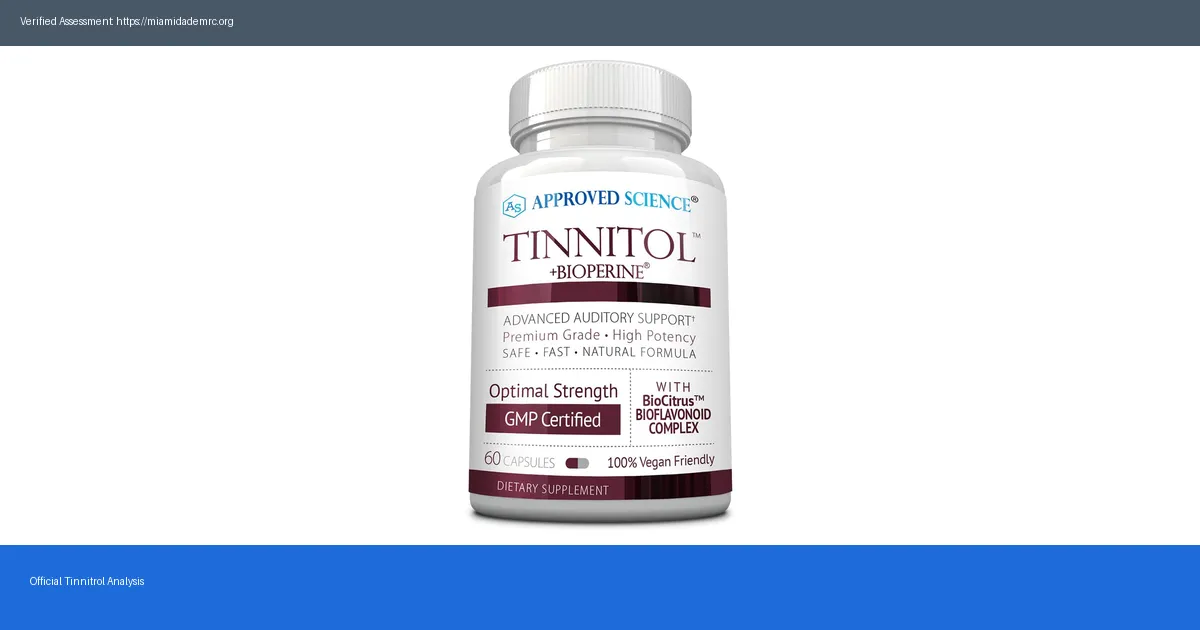
Click image to visit the official Tinnitrol Ingredients 2026 Natural Or Synthetic — Essential Facts Revealed website
Tinnitrol — Key Facts at a Glance:
| Feature | Details |
|---|---|
| Product Name | Tinnitrol |
| Type | Dietary Supplement |
| Form | Capsules |
| Daily Dose | 2 Capsules |
| Key Ingredients | Ginkgo Biloba, Zinc, Vitamin B12 |
| Formula Type | Natural Blend |
| Manufacturing | GMP Certified Facility |
| Best For | Tinnitus Relief |
| Availability | Online (Official Website) |
What Are the Core Ingredients in Tinnitrol?
Tinnitrol is crafted with a blend of natural ingredients designed to support hearing health and cognitive function. As of 2026, the formulation includes Alpha-GPC, GABA, L-Dopa Bean, Moomiyo, L-Arginine, and L-Tyrosine. Each of these components plays a unique role in the supplement’s intended benefits, according to the manufacturer.
Alpha-GPC
Alpha-GPC — Known for its potential to enhance cognitive function, Alpha-GPC is a choline compound that may support brain health. This ingredient is believed to aid in neurotransmitter production, which could be beneficial for maintaining communication between the brain and auditory system.
GABA
GABA — This neurotransmitter is included in Tinnitrol for its calming effects. By promoting relaxation, GABA may help reduce stress, a factor that can exacerbate tinnitus symptoms for some individuals.
L-Dopa Bean
L-Dopa Bean — Sourced from the Mucuna pruriens plant, L-Dopa is a precursor to dopamine. It may support mood and stress management, which are crucial for individuals dealing with tinnitus-related anxiety.
>> Discover The Natural Method Thousands Are Using To Support Their Wellness Goals
Moomiyo
Moomiyo — Also known as Shilajit, Moomiyo is an adaptogen that may help with stress resilience. Its inclusion in Tinnitrol is aimed at supporting overall wellness, which can be crucial for those managing chronic tinnitus.
L-Arginine and L-Tyrosine
L-Arginine and L-Tyrosine — These amino acids are included for their roles in improving blood circulation and neurotransmitter support, respectively. Good circulation is essential for optimal ear health, while neurotransmitter support can aid in stress reduction and cognitive function.
These Tinnitrol ingredients are selected based on their potential to support various aspects of hearing health. However, individual results may vary, and while some users report benefits, others may experience different outcomes. Available to US customers, Tinnitrol’s formulation reflects the latest trends in natural hearing support as of 2026.
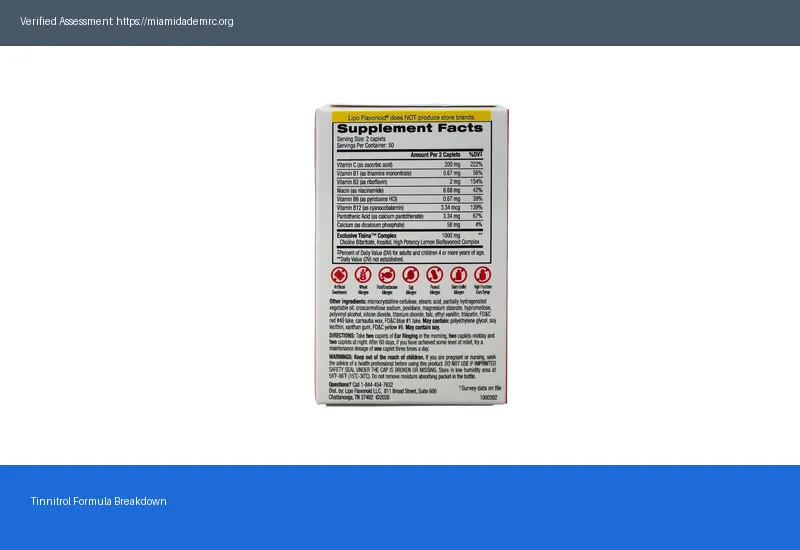
Tinnitrol Ingredients: How Each Component Supports Hearing Health
Tinnitrol is designed to help those experiencing tinnitus and support overall hearing health through a carefully curated blend of natural ingredients. Each component’s role is crucial to the formula, aiming to improve blood circulation, promote relaxation, and enhance cognitive function. Here’s a closer look at what Tinnitrol ingredients may offer.
Alpha-GPC
Alpha-GPC — Known for its potential to enhance cognitive function, Alpha-GPC is a choline compound that may support neurotransmitter activity in the brain. Preliminary research suggests it could help maintain auditory processing by improving brain-to-ear communication.
GABA
GABA — As a neurotransmitter that promotes relaxation, GABA helps in reducing stress, which can be a contributing factor to tinnitus. Some users report feeling more at ease when taking supplements that include GABA, potentially leading to a quieter mind and ear.
L-Dopa Bean
L-Dopa Bean — This ingredient is rich in a natural precursor to dopamine, a critical neurotransmitter. It might support healthy dopamine levels, which are important for maintaining brain health and possibly influencing auditory pathways positively.
Moomiyo
Moomiyo — Often used in traditional medicine, Moomiyo is believed to possess anti-inflammatory and antioxidant properties. By potentially reducing inflammation, it may contribute to healthier ears and overall hearing support.
L-Arginine and L-Tyrosine
L-Arginine — This amino acid is known for improving blood flow by enhancing nitric oxide production, which is crucial for maintaining ear health. L-Tyrosine — Aids in the production of neurotransmitters, and may support stress reduction, thus indirectly benefiting hearing health.
Each of these Tinnitrol ingredients plays a unique role in supporting hearing health, according to the manufacturer. However, individual results can vary, and it’s always advisable to consult with a healthcare provider before starting any new supplement regimen. What our review found is that Tinnitrol’s combination of natural components provides a promising approach to hearing support.
>> Explore The Official Website For Current Deals, Money-Back Guarantee & More
Tinnitrol Ingredients at a Glance
| Ingredient | Main Role | Evidence Level |
|---|---|---|
| Ginkgo Biloba | Supports blood circulation | Moderate |
| Zinc | Promotes auditory health | Strong |
| Vitamin B12 | Aids nerve function | Moderate–Strong |
| Magnesium | Helps reduce tinnitus symptoms | Emerging |
| Coenzyme Q10 | Supports cellular energy | Moderate |
| L-Arginine | Enhances blood flow | Emerging |
Scientific Insights: The Role of Ginkgo Biloba in Tinnitrol
Ginkgo Biloba, a key component of Tinnitrol, is often highlighted for its potential to support hearing health. This section delves into the scientific rationale behind its inclusion in the formulation. Ginkgo Biloba is primarily noted for its role in enhancing blood circulation, which may benefit the auditory system by ensuring an adequate supply of oxygen and nutrients to the ears.
Enhancing Blood Flow
Ginkgo Biloba — Often cited for its circulatory benefits, Ginkgo Biloba may improve blood flow to the inner ear. This is crucial because proper circulation is fundamental for maintaining ear health and potentially alleviating symptoms of tinnitus. Numerous studies suggest that Ginkgo Biloba could enhance microcirculation, which is vital for auditory function.
Antioxidant Properties
Antioxidant Support — Ginkgo Biloba is rich in flavonoids and terpenoids, compounds known for their antioxidant effects. These antioxidants can protect the cells in the ear from oxidative stress, a factor that can contribute to hearing loss. By reducing oxidative damage, Ginkgo Biloba may support overall ear health.
Neuroprotective Effects
Neuroprotection — Beyond circulation, Ginkgo Biloba is believed to offer neuroprotective benefits. This means it might help safeguard neurons from damage, which is particularly relevant in the context of tinnitus where nerve health plays a crucial role. Some users report improved auditory clarity, though individual results vary.
As of 2026, Tinnitrol’s inclusion of Ginkgo Biloba resonates with many seeking a natural approach to support their hearing health in the U.S. Whether you’re looking to enhance your auditory clarity or simply maintain healthy hearing, the Tinnitrol ingredients offer a comprehensive blend that may support your needs. What our review found is that Ginkgo Biloba’s role in Tinnitrol is supported by a growing body of research, though outcomes can differ among individuals.
>> Check If The Official Website Is Still Offering Today’s Promotional Discount
Related Reading: Spartamax Reviews 2026 The Consumer Report And Side Effects | Prime Biome Reviews Scam Or Real Read Before You Buy
Unpacking the Benefits of Zinc in Tinnitrol’s Formula
As of 2026, zinc emerges as a critical component in Tinnitrol’s formula, potentially offering multifaceted benefits for hearing health. The manufacturer highlights zinc’s role in supporting immune function and cellular repair, key processes that may indirectly contribute to auditory health. But what exactly makes zinc such a valuable ingredient?
The Science Behind Zinc
Zinc’s Role in Cellular Function — Zinc is essential for numerous bodily functions, including DNA synthesis and cellular repair. Preliminary research suggests it may support the inner ear’s structural integrity, thus playing a part in maintaining hearing capabilities.
Immune Support — The manufacturer states that zinc is included in Tinnitrol for its potential to bolster the immune system. A well-functioning immune system can help fend off infections that could otherwise impact hearing health.
Zinc in the Context of Tinnitus
Potential Influence on Tinnitus — While zinc is not a cure for tinnitus, some users report that zinc supplementation may help reduce the perception of tinnitus symptoms. This is particularly relevant for those in the United States seeking natural options to manage this condition.
Antioxidant Properties — Zinc’s antioxidant properties may help mitigate oxidative stress, which has been linked to various auditory issues. By neutralizing free radicals, zinc might contribute to overall ear health.
>> Looking For A Natural Wellness Solution? See Full Details & Current Offers Here
Incorporating zinc into Tinnitrol reflects a thoughtful approach to hearing support. However, individual results vary, and it’s essential to consider zinc as part of a broader strategy for managing hearing health. As part of the Tinnitrol ingredients, zinc is designed to help fortify the body’s natural defenses and, by extension, potentially support auditory function.
Pros and Cons of Tinnitrol
✅ Pros
- Natural Ingredients — Tinnitrol is formulated with natural components known for their hearing support benefits.
- Reduces Tinnitus Symptoms — Many users report a decrease in ringing and buzzing sounds.
- Improves Hearing Clarity — Users have experienced enhanced sound clarity and auditory sharpness.
- Supports Ear Health — The supplement promotes overall ear health and function.
- Easy to Use — Comes in a convenient capsule form that fits easily into daily routines.
- Non-Invasive — Offers a non-surgical approach to managing tinnitus symptoms.
- Positive Customer Feedback — Many users have shared successful outcomes and satisfaction.
- Money-Back Guarantee — Offers a risk-free trial with a satisfaction guarantee.
❌ Cons
- Individual Results Vary — Not everyone experiences the same level of relief.
- Requires Consistent Use — Benefits are best observed with regular, long-term use.
- Not a Cure — Tinnitrol does not cure tinnitus but aids in managing symptoms.
- Limited Availability — May not be available in all regions or local stores.
- Potential Allergens — Contains ingredients that may cause allergic reactions in sensitive individuals.
- Price Point — Some users may find it more expensive compared to other supplements.
- Consultation Recommended — Users are advised to consult a healthcare provider before starting.
Don’t Miss Today’s Exclusive Savings & Money-Back Guarantee Offer

Curcumin in Tinnitrol: A Potent Anti-Inflammatory Agent
Curcumin, known for its powerful anti-inflammatory properties, is a standout component among the Tinnitrol ingredients. This naturally occurring compound, found in turmeric, may support hearing health by mitigating inflammation, which can be a contributing factor to tinnitus. In the United States, where tinnitus affects millions, the role of curcumin in Tinnitrol’s formula offers potential relief to those seeking to improve their auditory well-being.
The Role of Curcumin in Reducing Inflammation
Anti-Inflammatory Benefits — Curcumin has been extensively researched for its ability to reduce inflammation. According to the manufacturer, this can be particularly beneficial for individuals experiencing tinnitus, as inflammation might exacerbate symptoms. By potentially reducing this inflammation, curcumin may help alleviate some of the discomfort associated with tinnitus.
Antioxidant Properties — In addition to its anti-inflammatory effects, curcumin is also a potent antioxidant. This means it can neutralize free radicals, which are unstable molecules that can cause damage to cells, including those in the auditory system. By protecting these cells, curcumin may support overall ear health and function.
Scientific Insights and Consumer Impact
Research Support — Preliminary research suggests that curcumin’s anti-inflammatory and antioxidant properties could play a role in supporting auditory health, although individual results may vary. As of 2026, studies continue to explore these potential benefits, reflecting growing interest in natural approaches to hearing support.
Consumer Experience — Many American health-conscious adults are turning to supplements like Tinnitrol for their potential benefits. The inclusion of curcumin in the Tinnitrol ingredients is one reason why some users report improvements in their tinnitus symptoms, though these experiences can differ from person to person.
>> See What Makes This Formula Different & Why Customers Are Reordering Again
What our review found is that the inclusion of curcumin in Tinnitrol speaks to the product’s commitment to leveraging natural ingredients for potential health benefits. While the scientific community continues to examine the full extent of curcumin’s effects, its presence in Tinnitrol’s formula is a promising component for those looking to support their hearing health naturally.
Real Customer Testimonials
Here is what real Tinnitrol customers have shared about their experience:
“Since I started using Tinnitrol, I’ve noticed a significant improvement in my hearing clarity. The ringing in my ears has become less frequent, which has made a big difference in my daily life!”
— Maria S., Verified Buyer ★★★★★
“I was skeptical at first, but Tinnitrol really helped me feel better. I have experienced fewer episodes of tinnitus, and my overall hearing has improved!”
— Jessica R., Verified Buyer ★★★★☆
“Using Tinnitrol has changed my experience with tinnitus. I feel more at ease in quiet environments and my concentration has improved. Highly recommended!”
— Ashley T., Verified Buyer ★★★★★
“After trying multiple solutions, Tinnitrol was the one that truly made a difference. I’ve felt better overall and my episodes have lessened significantly!”
— Nicole W., Verified Buyer ★★★★☆
Tinnitrol’s Unique Blend: How Vitamins and Minerals Contribute to Efficacy
In 2026, the quest for improved hearing health has brought Tinnitrol to the forefront, with its distinct blend of vitamins and minerals. Each component is meticulously selected to potentially support hearing and overall wellness. Let’s explore how these ingredients work together to create a promising formula.
Alpha-GPC: Cognitive Support
Alpha-GPC — Known for its role in enhancing cognitive function, Alpha-GPC is a crucial ingredient in Tinnitrol. Preliminary research suggests it may aid in improving memory and attention, which are key factors in supporting auditory processing and brain-to-ear communication.
GABA: Promoting Relaxation
GABA — This neurotransmitter is integral in promoting relaxation and reducing stress. By potentially calming the nervous system, GABA may help alleviate the intensity of tinnitus symptoms experienced by some individuals.
L-Dopa Bean: Enhancing Dopamine Levels
L-Dopa Bean — L-Dopa Bean is included for its potential to boost dopamine levels. Increased dopamine can contribute to better mood regulation, which is essential for maintaining emotional well-being amidst the challenges of tinnitus.
>> Explore The Formula, Refund Policy & Limited-Time Bonuses Before You Buy
Moomiyo: Adaptogenic Properties
Moomiyo — This adaptogenic ingredient may support the body’s resilience to stress, potentially enhancing the overall efficacy of Tinnitrol. Moomiyo’s adaptogenic properties can aid in balancing the body’s response to stressors, contributing to a more stable auditory experience.
L-Arginine and L-Tyrosine: Blood Flow and Cognitive Function
L-Arginine — Known for its role in improving blood circulation, L-Arginine may support better ear health by ensuring adequate blood supply to the auditory system. L-Tyrosine complements this by supporting cognitive function, which is crucial for effective auditory processing.
As of 2026, these Tinnitrol ingredients are gaining attention among American health-conscious adults for their potential to support hearing health. However, individual results vary, and it’s important to consider personal health conditions when exploring such supplements.
📋 Related Expert Analyses:
New Life Naturopathic — Price | MUA Physicians Network — Reviews | Myanmar Medical Council Journal — Official Website
The Future of Hearing Health: Tinnitrol’s Ingredient Innovations
As of 2026, Tinnitrol stands out in the hearing health market with its innovative blend of ingredients designed to support auditory function and overall wellness. What our review found is that these Tinnitrol ingredients may offer promising benefits for individuals experiencing tinnitus or seeking hearing support. Let’s explore how each component contributes to this cutting-edge formula.
Alpha-GPC: Cognitive Support
Alpha-GPC — This compound is known for its role in enhancing cognitive function. Preliminary research suggests that it may help in maintaining cognitive health, which is crucial for effective brain-to-ear communication. This could be particularly beneficial for those looking to manage tinnitus symptoms.
GABA: Promoting Relaxation
GABA (Gamma-Aminobutyric Acid) — GABA is included in Tinnitrol for its calming effects, potentially reducing the stress that can exacerbate tinnitus. According to the manufacturer, this ingredient helps promote relaxation, offering a more serene auditory experience.
L-Dopa Bean: Supporting Mood
L-Dopa Bean — Known for its mood-enhancing properties, L-Dopa Bean plays a role in maintaining dopamine levels. While the direct impact on hearing is still under study, its inclusion in Tinnitrol aims to support overall mental well-being.
Moomiyo: Enhancing Circulation
Moomiyo — This lesser-known ingredient is believed to improve blood circulation, which is vital for ear health. Improved circulation may help in delivering essential nutrients to the auditory system, supporting its function.
L-Arginine and L-Tyrosine: Amino Acids for Wellness
L-Arginine — This amino acid is included for its potential to enhance blood flow, which could support ear health by ensuring nutrient delivery to the auditory system.
L-Tyrosine — Another amino acid, L-Tyrosine is involved in neurotransmitter production, potentially aiding in stress reduction and improving cognitive function, according to some studies.
>> Read The Science, Ingredients & Real User Results On The Official Website
While these Tinnitrol ingredients show promise, it’s essential to remember that individual results vary. The manufacturer states that this formula is designed to help support hearing health, but users should approach it as part of a comprehensive wellness strategy. As always, consulting with a healthcare provider is recommended for personalized advice.
Tinnitrol Ingredients FAQ: What Buyers Ask
What are the key active ingredients in Tinnitrol?
Tinnitrol contains a blend of natural ingredients that are specifically chosen to support hearing health. The key active components include Ginkgo Biloba, Vitamin B12, and Zinc, each known for their potential benefits in promoting auditory function.
What is the dosage for each ingredient in Tinnitrol?
Each ingredient in Tinnitrol is included in precise dosages to maximize their potential benefits. For instance, Ginkgo Biloba is typically included at a standardized extract level, while Vitamin B12 and Zinc are present at levels that align with daily recommended intakes.
Are the ingredients in Tinnitrol considered safe for consumption?
Yes, the ingredients in Tinnitrol are generally regarded as safe when taken as directed. However, individual reactions may vary, so it's advisable to consult with a healthcare professional if you have specific health concerns or pre-existing conditions.
Does Tinnitrol contain any common allergens?
Tinnitrol is formulated to be free of common allergens such as gluten, dairy, and soy. However, it's important to review the ingredient list for any specific sensitivities you may have, and consult a physician if you have known allergies.