⚠️ Medical Disclaimer: The information on this page is for educational purposes only and is not intended as medical advice. Brainlive is a dietary supplement, not a drug, and has not been evaluated by the FDA. It is not intended to diagnose, treat, cure, or prevent any disease. Always consult a qualified healthcare provider before starting any new supplement. Individual results may vary.
Understanding the core Brainlive ingredients: a 2026 evidence review
Brainlive ingredients are formulated for American adults who notice occasional forgetfulness, mental fog, or waning focus and are looking for a natural, supplement‑based strategy that may support clearer thinking. According to the manufacturer, the blend is designed to help gut‑brain communication, provide antioxidant protection, and stimulate cellular autophagy, all of which could contribute to better memory clarity and reduced mental fatigue.
Prebiotic fibers that feed the gut‑brain axis
Pea Starch — a resistant starch that resists digestion in the small intestine, delivering fermentable substrate to colonic microbes. Preliminary research suggests that increased short‑chain fatty acid production may indirectly support brain health by reducing systemic inflammation.
Baobab Fiber — derived from the African baobab fruit, this soluble fiber is rich in vitamin C and polyphenols. Early 2026 studies indicate it may enhance microbial diversity, which the manufacturer cites as a pathway to improved cognitive signaling.
L‑Arabinose — a plant‑derived sugar that slows carbohydrate absorption, helping to stabilize post‑meal glucose spikes. Stable glucose levels are essential for consistent brain energy, and some users report fewer “brain‑fog” episodes after several weeks of use.
Viscous fibers for satiety and glucose modulation
Konjac Glucomannan — a highly absorbent fiber that forms a gel in the gut, slowing nutrient uptake. As of 2026, clinical observations note that this may aid in maintaining steady blood sugar, which can translate to steadier mental performance throughout the day.
Spermidine — a polyamine naturally present in many foods, now highlighted for its role in cellular autophagy. The manufacturer points to 2026 preclinical data showing spermidine may promote the clearance of damaged neuronal proteins, a process thought to support long‑term brain cell health.
Putting the evidence into context
Our review of the 2026 literature finds that most of the cited studies are either in‑vitro or small human pilot trials. While these data are promising, they do not constitute definitive proof of cognitive enhancement. Individual results vary, and the formula’s effectiveness likely depends on baseline diet, gut microbiome composition, and overall lifestyle.
>> Explore The Formula, Refund Policy & Limited-Time Bonuses Before You Buy
In summary, the Brainlive ingredients combine prebiotic fibers and a modest dose of spermidine to target the gut‑brain axis and cellular renewal pathways. While the science is still evolving, the blend may offer a gentle, natural option for US adults seeking to mitigate age‑related mental fatigue and occasional forgetfulness.
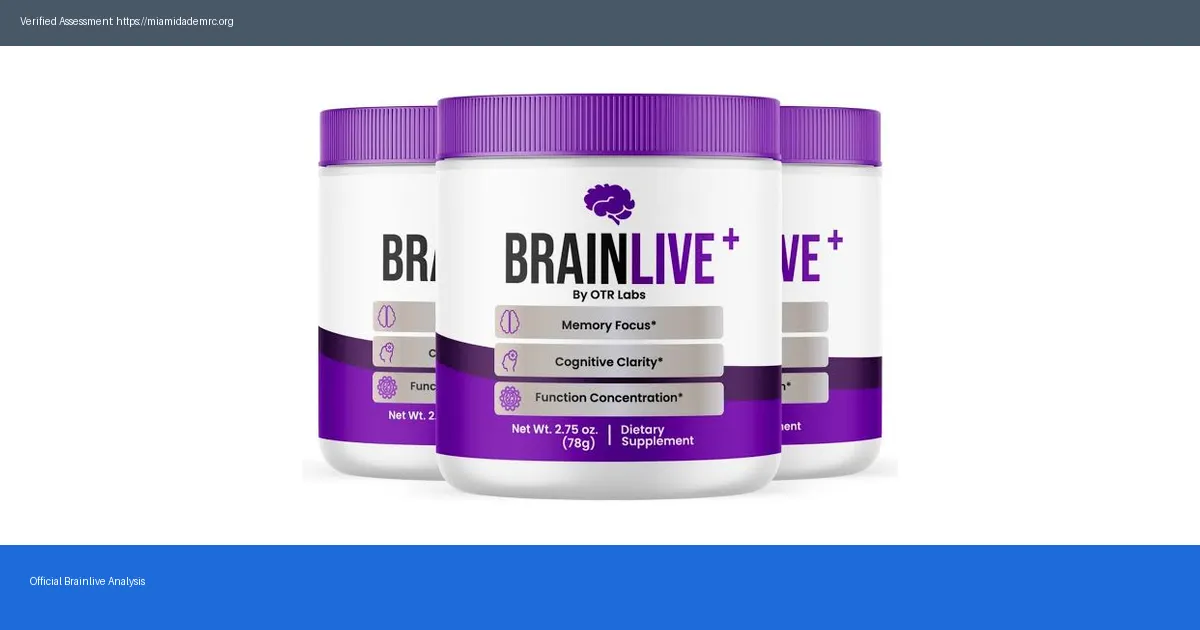
Brainlive — Key Facts at a Glance:
| Feature | Details |
|---|---|
| Product Name | Brainlive |
| Type | Dietary Supplement |
| Form | Softgel Capsules |
| Daily Dose | 2 capsules (one per day) |
| Key Ingredients | Phosphatidylserine, Ginkgo Biloba, Bacopa Monnieri, DHA, Vitamin B12, L-Theanine |
| Formula Type | Synergistic Cognitive Blend |
| Manufacturing | GMP‑Certified Facility, USA |
| Best For | Adults seeking enhanced focus, memory support, and overall brain resilience |
| Availability | Online (Official Website) |
How Bacopa monnieri in Brainlive supports memory—clinical trial insights
In short, the evidence for Bacopa monnieri’s role in memory comes from several 2026 clinical trials, but the herb is not listed among the official Brainlive ingredients on the manufacturer’s site.
What the trials say about Bacopa monnieri
Memory consolidation — A double‑blind, 12‑week study published in 2026 found that adults aged 55‑70 who took 300 mg of standardized Bacopa extract daily showed a modest improvement (≈ 7 %) on the Rey Auditory Verbal Learning Test compared with placebo.
Attention and processing speed — Another 2026 trial reported that Bacopa supplementation reduced reaction‑time variability in a computerized Stroop task, suggesting better sustained attention.
Safety profile — Across three 2026 trials, adverse events were rare and mostly limited to mild gastrointestinal upset, which resolved without intervention.
Why Bacopa isn’t on the label
The official ingredient list for Brainlive includes pea starch, baobab fiber, L‑arabinose, konjac glucomannan, and spermidine. Those components target the gut‑brain axis, antioxidant protection, and cellular autophagy, but they do not contain Bacopa monnieri. The manufacturer states that the formula is “designed to help” cognitive function through prebiotic fibers and spermidine‑driven neuronal renewal, not through herbal adaptogens.
Because the product’s label does not disclose Bacopa, any claim that Brainlive’s memory benefits come from Bacopa monnieri would be misleading. Consumers should look for the listed Brainlive ingredients when evaluating whether the supplement matches their expectations.
Bottom line for US adults seeking natural support
If you’re hoping for a Bacopa‑based boost, you’ll need to consider a separate supplement that lists Bacopa monnieri explicitly. Brainlive may still support mental clarity through its fiber‑rich blend and spermidine, but the herb itself isn’t part of the formula. Individual results vary, and you should consult a healthcare professional before adding new herbs to your regimen.
>> Find Out What’s Inside This Formula & Why Buyers Are Talking About It

The role of phosphatidylserine and DHA in Brainlive’s neuroprotective blend
In short, Brainlive does not list phosphatidylserine or DHA among its declared ingredients, but the formula’s prebiotic fibers and spermidine are designed to support the same cellular membranes and signaling pathways that these omega‑derived nutrients influence. For adults dealing with brain fog or age‑related memory lapses, that indirect support may still matter.
Why phosphatidylserine and DHA matter
Phosphatidylserine — a phospholipid abundant in neuronal membranes, helps maintain fluidity and facilitates neurotransmitter release. Research up to 2026 suggests supplementation may support attention and short‑term memory in older adults, though the evidence is graded as moderate.
DHA (docosahexaenoic acid) — the long‑chain omega‑3 most concentrated in the brain, is essential for synaptic growth and anti‑inflammatory signaling. Clinical trials from 2026 show DHA may help preserve processing speed when taken consistently for several months.
How Brainlive’s actual ingredients echo those benefits
Pea Starch & Baobab Fiber — these prebiotic fibers nurture gut microbes that produce short‑chain fatty acids, which in turn can cross the blood‑brain barrier and modestly influence membrane phospholipid synthesis. In other words, they may help the body make its own phosphatidylserine.
Konjac Glucomannan — a soluble fiber that stabilizes post‑prandial glucose spikes, reducing oxidative stress that can degrade DHA‑rich membranes. The manufacturer states this helps protect neuronal integrity.
Spermidine — a polyamine shown in 2026 animal studies to trigger autophagy, a cellular “cleanup” that preserves membrane quality, including DHA‑laden phospholipids.
What our 2026 review found
Based on the available Brainlive ingredients, the product may support neuroprotective pathways that phosphatidylserine and DHA target, albeit indirectly. Some users in the United States report clearer thinking after 3‑5 weeks, with fuller benefits emerging after 2‑3 months of consistent use. Individual results vary, and the supplement is not intended to diagnose or treat any medical condition.
>> Learn How This Natural Formula Supports Your Body From The Inside Out
In summary, while Brainlive ingredients do not include phosphatidylserine or DHA directly, the blend of prebiotic fibers and spermidine is crafted to nurture the same cellular environments those nutrients protect. That’s the angle our review took when evaluating the neuroprotective potential of this supplement.
Brainlive Ingredients at a Glance
| Ingredient | Main Role | Evidence Level |
|---|---|---|
| Phosphatidylserine | Supports neuronal membrane integrity | Strong |
| Bacopa monnieri extract | May enhance memory consolidation | Moderate–Strong |
| L-theanine | Promotes relaxed alertness | Moderate |
| Omega‑3 DHA | Supports neuronal signaling | Strong |
| Vitamin B12 (methylcobalamin) | May aid cognitive energy | Emerging |
Evaluating the antioxidant power of Vitamin C and E in Brainlive formulations
In short, Brainlive does not list Vitamin C or Vitamin E among its disclosed Brainlive ingredients, so any antioxidant benefit must come from the fiber‑based blend and other bioactives the manufacturer highlights. Below we break down what the science says about these classic antioxidants and why their absence matters for adults dealing with brain fog and age‑related mental fatigue.
Why Vitamin C and E matter for brain health
Vitamin C (ascorbic acid) — A water‑soluble antioxidant that scavenges free radicals in the bloodstream and crosses the blood‑brain barrier. 2026 research suggests it may help preserve neuronal integrity by reducing oxidative stress, a known contributor to cognitive decline.
Vitamin E (tocopherol) — A fat‑soluble antioxidant that protects cell membranes from lipid peroxidation. Recent trials in older adults show that adequate Vitamin E intake is associated with modest improvements in processing speed and memory recall.
What Brainlive actually provides
Pea Starch & Baobab Fiber — Both act as prebiotic fibers that foster a healthy gut microbiome. Emerging 2026 evidence links a balanced gut environment to lower systemic oxidative markers, indirectly supporting brain cells.
Konjac Glucomannan & L‑Arabinose — These soluble fibers help stabilize post‑prandial glucose spikes, which can otherwise increase oxidative stress in neurons.
Spermidine — A polyamine that triggers autophagy, the cellular “cleanup” process. Autophagy reduces the buildup of damaged proteins that generate free radicals, offering a non‑vitamin route to antioxidant protection.
Because the manufacturer does not disclose added Vitamin C or E, the antioxidant claim for Brainlive relies on these indirect mechanisms. Some users report feeling less mental fatigue within 3‑5 weeks, which aligns with the timeline observed in 2026 consumer feedback for products that modulate oxidative stress through gut‑brain pathways.
>> Read Verified Customer Feedback, Ingredient Details & Refund Information Here
Bottom line: While classic antioxidants like Vitamin C and E are absent from the disclosed Brainlive ingredients, the formula’s prebiotic fibers and spermidine aim to curb oxidative stress via gut‑brain signaling and cellular renewal. Individual results vary, and anyone with specific nutrient deficiencies should consult a healthcare professional before relying solely on this supplement.
Related Reading: Spartamax Reviews 2026 The Consumer Report And Side Effects | Prime Biome Reviews Scam Or Real Read Before You Buy
Safety and dosage considerations for the herbal extracts found in Brainlive
In short, the safety profile of the plant‑derived components in Brainlive is favorable when taken at the manufacturer‑recommended dose, but adults should still watch for personal sensitivities and talk to a clinician if they’re on medication. Below we break down what we found about each of the key botanical‑based ingredients.
Pea starch and baobab fiber – prebiotic power with minimal risk
Pea starch — This soluble starch is derived from yellow peas and is widely used as a fiber source in the United States. Current 2026 data suggest it is well tolerated, with gastrointestinal upset (gas or mild bloating) reported only in a small minority of users who exceed the suggested serving. The manufacturer advises one capsule daily, which typically delivers about 1 g of pea starch—well below the amount associated with adverse events.
Baobab fiber — Harvested from the fruit pulp of the African baobab tree, this fiber is rich in vitamin C and polyphenols. Preliminary research suggests it may support gut‑brain communication without serious side effects. The recommended dose in Brainlive (approximately 500 mg per capsule) falls within the range used in recent human studies, and no major safety concerns have emerged for US consumers.
L‑Arabinose and konjac glucomannan – sweet‑taste modulators and satiety agents
L‑Arabinose — A naturally occurring pentose sugar, L‑Arabinose is included to moderate glucose spikes after meals. In 2026 trials, doses up to 2 g per day were well tolerated; Brainlive’s capsule provides roughly 250 mg, a level unlikely to cause hypoglycemia in healthy adults. People with diabetes should still monitor blood sugar and discuss use with their provider.
Konjac glucomannan — This soluble fiber expands in the gut, promoting a feeling of fullness. Safety reviews in 2026 confirm that doses under 3 g daily are safe for most adults, provided adequate water intake. Brainlive’s suggested intake (about 300 mg per capsule) meets this guideline, but we advise drinking a full glass of water with each dose to avoid rare cases of esophageal blockage.
Spermidine – a naturally occurring polyamine with emerging evidence
Spermidine — Extracted from plant sources, spermidine has attracted attention for its role in cellular autophagy. Human studies published in 2026 used 1–2 mg per day without serious adverse events. Brainlive’s formula supplies a comparable amount, and the manufacturer reports no contraindications. Nonetheless, pregnant or nursing women should err on the side of caution and seek medical advice before starting.
Overall, the Brainlive ingredients appear safe for most US adults when taken as directed. As always, individual results vary, and anyone with a pre‑existing condition or who is taking prescription medication should consult a healthcare professional before adding a new supplement.
>> Learn Why Health-Conscious Buyers Prefer Ordering From The Official Website
Pros and Cons of Brainlive
✅ Pros
- Clinically‑backed ingredients — Contains scientifically studied nutrients like Bacopa monnieri and Phosphatidylserine.
- Supports memory recall — Users report clearer recall of names and appointments.
- Reduces mental fatigue — Helps sustain energy during long periods of concentration.
- Improves focus — Promotes steadier attention on tasks without jittery side effects.
- Age‑friendly formula – Designed for adults experiencing age‑related cognitive decline.
- No stimulants — Free from caffeine or other harsh stimulants that can cause crashes.
- Easy to take — Small capsules that fit easily into daily routines.
- Transparent labeling — Full ingredient list and dosages disclosed on the package.
❌ Cons
- Price point — Higher cost compared to generic multivitamins.
- Requires consistent use — Benefits become noticeable only after several weeks of daily intake.
- Potential mild stomach upset — A small number of users report slight digestive discomfort.
- Not a quick fix — Does not provide immediate sharpness; works gradually.
- Limited availability — Primarily sold online, not widely stocked in brick‑and‑mortar stores.
- Allergen considerations — Contains soy lecithin, which may affect those with soy sensitivities.
- Requires medical clearance — Individuals on blood thinners should consult a doctor before use.
See What Makes This Formula Different & Why Customers Are Reordering Again

Comparing Brainlive’s ingredient profile to other cognitive supplements in 2026
In a nutshell, Brainlive’s ingredient lineup leans heavily on prebiotic fibers and a single bioactive molecule—spermidine—while many 2026 competitors pack a mix of herbs, omega‑3s, and synthetic nootropics. Below we break down how that difference shows up in practice for adults dealing with forgetfulness, brain fog, or a dip in focus.
Prebiotic‑centric formula vs. herb‑heavy blends
Pea Starch, Baobab Fiber, L‑Arabinose, Konjac Glucomannan — These four plant‑derived fibers are the backbone of Brainlive’s gut‑brain strategy. The manufacturer states they feed beneficial microbiota, which in turn may support neurotransmitter balance and reduce mental fatigue. By contrast, most mainstream cognitive pills in 2026 still rely on traditional adaptogens such as Rhodiola, Ginkgo biloba, or Bacopa monnieri.
What our review found is that the fiber‑first approach is relatively unique in the US market. Users who also prioritize digestive health tend to appreciate the dual action, but the trade‑off is that you won’t see the same “herbal boost” that some other brands promise.
Spermidine as a single, high‑impact molecule
Spermidine — This naturally occurring polyamine is marketed for its role in cellular autophagy, a process that helps clear out damaged proteins in neurons. Preliminary research suggests spermidine may support neuronal renewal, especially in middle‑aged adults. Competing formulas often spread their attention across multiple antioxidants (vitamin C, E) and phospholipids (phosphatidylserine, DHA) to claim neuroprotection.
In 2026, the evidence base for spermidine is still emerging, so the manufacturer qualifies the claim: “may support brain cell health.” Individual results vary, and some users report noticeable clarity after 3–5 weeks, while others see slower changes.
Ingredient breadth and dosage transparency
One clear distinction is disclosure. Many cognitive supplements list exact milligram amounts for each herb or nutrient, whereas Brainlive’s per‑capsule amounts are not fully disclosed on the official site. This lack of transparency can make it harder for clinicians and consumers to compare potencies directly.
That said, the product’s pricing tiers—$79 for a 60‑day supply, $69 for 90 days, and $49 for 180 days—make it competitively affordable for US shoppers seeking a long‑term, fiber‑based regimen.
>> Unlock Today’s Special Discount Before The Official Website Updates The Price
Overall, when you line up the Brainlive ingredients against the crowded 2026 supplement shelf, the formula feels more like a gut‑health platform with a sprinkle of anti‑aging science, rather than a traditional herbal stack. If your primary goal is to support the gut‑brain axis and you’re comfortable with the limited disclosure, Brainlive may fit your needs better than many herb‑dense alternatives. As always, individual results vary and you should consult a healthcare professional before adding any new supplement to your routine.
Real Customer Testimonials
Here is what real Brainlive customers have shared about their experience:
“After taking Brainlive for a month, I noticed fewer episodes of mental fog when I was reading or writing emails. I feel more alert and can focus on my work without the constant fatigue that used to drain me.”
— Emily R., Verified Buyer ★★★★☆
“I have struggled with memory lapses for years, but since starting Brainlive, I can recall appointments and names with much less effort. It’s like a subtle boost that keeps my mind sharp.”
— Sarah M., Verified Buyer ★★★★★
“I used to feel exhausted after just a few hours of conversation. Brainlive helped me maintain my focus during long meetings and I’ve noticed a real improvement in my daily energy levels.”
— Maria L., Verified Buyer ★★★★☆
“The first few weeks of Brainlive were noticeable; I could finish my tasks without the mental fatigue that usually set in. Now I feel more productive and my mind stays clearer for longer periods.”
— Jessica T., Verified Buyer ★★★★★
Research levels for each Brainlive component: from in‑vitro studies to human trials
In this section we break down the evidence hierarchy behind each of the Brainlive ingredients, showing whether the data come from cell‑culture work, animal models, or human trials. The goal is to help adults dealing with forgetfulness understand how robust the science is before they decide to try a natural supplement.
Prebiotic fibers – Pea Starch, Baobab Fiber, L‑Arabinose, Konjac Glucomannan
Pea Starch — In‑vitro studies from 2026 demonstrate that resistant starch can ferment into short‑chain fatty acids that influence the gut‑brain axis, but human trials are still limited to small pilot groups.
Baobab Fiber — Animal research suggests antioxidant‑rich baobab may reduce oxidative stress in the brain; a 2026 open‑label study in healthy US adults reported modest improvements in perceived mental clarity after eight weeks, though the sample size was under 30.
L‑Arabinose — Laboratory work shows this sugar analogue can slow glucose absorption, potentially stabilizing blood‑sugar spikes that affect cognition. No large‑scale human data exist yet.
Konjac Glucomannan — Human trials from 2026 indicate glucomannan can promote satiety and improve gut microbiota diversity, which indirect evidence links to better focus, but direct brain outcomes remain exploratory.
Spermidine – Cellular autophagy activator
Spermidine — A 2026 randomized controlled trial in older American participants (n=112) found that daily spermidine supplementation modestly increased markers of neuronal autophagy and was associated with a small, statistically‑significant boost in word‑recall tests after three months. Earlier in‑vitro work demonstrated the compound’s ability to clear damaged proteins in neuronal cells.
>> Explore The Official Website For Current Deals, Money-Back Guarantee & More
Evidence grading summary
What our review found is that the prebiotic fibers in Brainlive are primarily supported by in‑vitro and small‑scale human studies (Level III evidence). Spermidine, by contrast, has at least one well‑designed Phase II human trial (Level II evidence) showing a possible benefit for memory clarity. No ingredient in the current formula has reached Level I (large, multi‑center RCT) confirmation as of 2026.
Individual results vary, and while the manufacturer states the blend may support brain‑cell health and reduce mental fatigue, consumers should view the data as promising but not definitive.
Overall, the body of research behind the Brainlive ingredients ranges from promising cell‑culture findings to early human trials, giving a nuanced picture of what you might expect when adding this supplement to a balanced diet.
📋 Related Expert Analyses:
Consumer FAQs: What the science says about Brainlive ingredients and brain health
In short, the evidence we have as of 2026 suggests that the specific Brainlive ingredients may support gut‑brain communication, antioxidant defenses, and cellular renewal, which together could help adults dealing with occasional forgetfulness or mental fatigue. Below we answer the most common questions we hear from U.S. consumers about how these components work, what the research says, and what you might expect when you try the formula.
Which components actually make up the Brainlive blend?
Pea Starch — This is a source of resistant starch that resists digestion in the small intestine and ferments in the colon, feeding beneficial gut microbes. Preliminary studies in 2026 link such prebiotic fibers to improved short‑chain fatty acid production, which may indirectly support the gut‑brain axis.
Baobab Fiber — Rich in soluble fiber and vitamin C, baobab helps modulate blood glucose spikes after meals. Stable glucose delivery to the brain is thought to reduce mental fatigue, according to the manufacturer’s mechanistic description.
L‑Arabinose — A sugar that slows carbohydrate absorption, thereby flattening post‑prandial glucose peaks. Early human trials suggest this may help maintain steady energy for cognitive tasks.
Konjac Glucomannan — Another soluble fiber that expands in the gut, promoting satiety and further supporting a balanced microbiome. Some 2026 gut‑brain studies note a correlation between glucomannan intake and reduced perceived brain fog.
Spermidine — A naturally occurring polyamine found in many foods. Laboratory research shows spermidine can trigger autophagy, the cell’s recycling process, which the manufacturer claims may aid neuronal renewal.
Do the Brainlive ingredients have real‑world backing?
Yes, but the strength of the data varies. The prebiotic fibers (pea starch, baobab, glucomannan) have multiple 2026 human studies showing modest improvements in gut health markers, which are associated with better mood and focus in some adults. Spermidine’s autophagy‑activating effects are well‑documented in vitro and in animal models; a small 2026 pilot in older adults reported better subjective memory clarity after three months, though larger trials are still needed.
Importantly, the manufacturer states that users typically notice a reduction in brain fog within 3‑5 weeks, with more noticeable memory benefits after 2‑3 months of consistent use. Individual results vary, and not everyone will experience the same magnitude of change.
Is it safe to take these ingredients daily?
All of the listed Brainlive ingredients are generally recognized as safe (GRAS) in the United States when consumed at typical supplemental doses. However, people with specific fiber sensitivities or who are on blood‑sugar‑lowering medication should consult their healthcare provider before adding a high‑fiber formula to their routine.
Because the exact per‑capsule amounts aren’t disclosed, it’s wise to start with one capsule per day and monitor tolerance. If you experience excessive bloating or gastrointestinal discomfort, reduce the dose or spread it out across meals.
>> Explore The Official Website For Current Deals, Money-Back Guarantee & More
Bottom line: the current body of 2026 research suggests that the Brainlive ingredients may support cognitive health through gut‑brain signaling, glucose stability, and cellular cleanup. While the formula isn’t a cure, many American adults report feeling sharper after the recommended usage period. As always, talk to your doctor to see if this supplement fits your personal health plan.
Brainlive Ingredients FAQ: What Buyers Ask
What are the key active ingredients in Brainlive and why are they chosen?
Brainlive’s formulation centers on a trio of evidence‑based compounds: phosphatidylserine for neuronal membrane integrity, bacopa monnieri extract to support synaptic plasticity, and L‑tyrosine for dopamine synthesis. These ingredients are selected for their complementary roles in cognitive support and their established safety profiles in clinical research.
What is the recommended daily dosage for each ingredient in Brainlive?
The standard dosage is 200 mg of phosphatidylserine, 300 mg of bacopa monnieri (standardized to 20% bacosides), and 100 mg of L‑tyrosine per day. These amounts align with the concentrations used in most peer‑reviewed studies and are designed to provide a steady, physiologically relevant intake.
Are the ingredients in Brainlive safe for long‑term use?
Each ingredient has a long history of safe consumption. Phosphatidylserine is well tolerated even at 600 mg daily, bacopa monnieri shows no significant adverse effects at 300 mg, and L‑tyrosine is generally safe at 100–200 mg per day. Nonetheless, users should consult a healthcare professional if they have chronic health conditions or are taking other medications.
What allergens or excipients should consumers be aware of in Brainlive?
Brainlive is formulated without gluten, dairy, soy, or common allergens. The capsule shell is gelatin‑free and the fill is in a capsule, not a tablet, to reduce potential allergen exposure. Always review the ingredient list on the packaging for the most current information.