
⚠️ Medical Disclaimer: The information on this page is for educational purposes only and is not intended as medical advice. Sciaticyl is a dietary supplement, not a drug, and has not been evaluated by the FDA. It is not intended to diagnose, treat, cure, or prevent any disease. Always consult a qualified healthcare provider before starting any new supplement. Individual results may vary.
What’s Inside Sciaticyl? A 2026 Review of Its Key Ingredients
Sciaticyl ingredients are formulated for adults in the United States who are living with sciatic nerve pain, lower‑back or leg discomfort, and who prefer a non‑pharmaceutical approach. The manufacturer states the blend may support nerve repair, reduce inflammation, and improve overall comfort during daily activities. Individual results vary, and the evidence base ranges from well‑studied nutrients to emerging botanical extracts.
Alpha‑Lipoic Acid & Antioxidant Support
Alpha‑Lipoic Acid (ALA) — ALA is a potent antioxidant that the manufacturer cites as a core component for protecting nerve cells from oxidative stress. Preliminary research suggests ALA may support peripheral nerve function in adults, though high‑quality clinical trials are still limited.
Curcumin‑Rich Turmeric Extract
Turmeric Extract (Standardized to 95% Curcumin) — Curcumin is well‑known for its anti‑inflammatory properties. According to 2026 studies, curcumin may help modulate inflammatory pathways that contribute to sciatic discomfort, but bioavailability is enhanced in the product through a proprietary delivery system.
Mineral Synergy: Magnesium Bisglycinate & Calcium
Magnesium Bisglycinate — This chelated form of magnesium is highly absorbable and may aid muscle relaxation and nerve signaling. The manufacturer notes that adequate magnesium levels are essential for normal nerve conduction.
Calcium — Included at a supportive dose, calcium works with magnesium to maintain neuromuscular function. Current guidelines emphasize balanced intake rather than high‑dose supplementation.
Vitamin B‑Complex Blend
Vitamin B1 (Thiamine), B6 (Pyridoxine), B12 (Methylcobalamin) — These B‑vitamins are integral to myelin sheath formation and nerve metabolism. The manufacturer reports that the forms used are bioavailable, and 2026 data indicate they may help sustain nerve health in adults with mild deficiencies.
Omega‑3 Fish Oil
Omega‑3 EPA/DHA — Sourced from fish oil, EPA and DHA are included for their role in reducing systemic inflammation. Recent reviews in 2026 suggest omega‑3 fatty acids may complement other anti‑inflammatory agents in managing sciatic symptoms.
>> Curious If This Formula Can Really Help You? Read The Full Official Details Here
Overall, the Sciaticyl ingredients reflect a blend of antioxidants, anti‑inflammatory botanicals, essential minerals, and nerve‑supporting vitamins that align with current nutritional science. While some components, like ALA and curcumin, have emerging support for nerve health, others such as magnesium and B‑vitamins are grounded in well‑established research. As of 2026, the product remains available to U.S. consumers seeking a supplement‑based strategy for sciatic discomfort, but it should be used in consultation with a healthcare professional, especially if you are taking prescription medications.
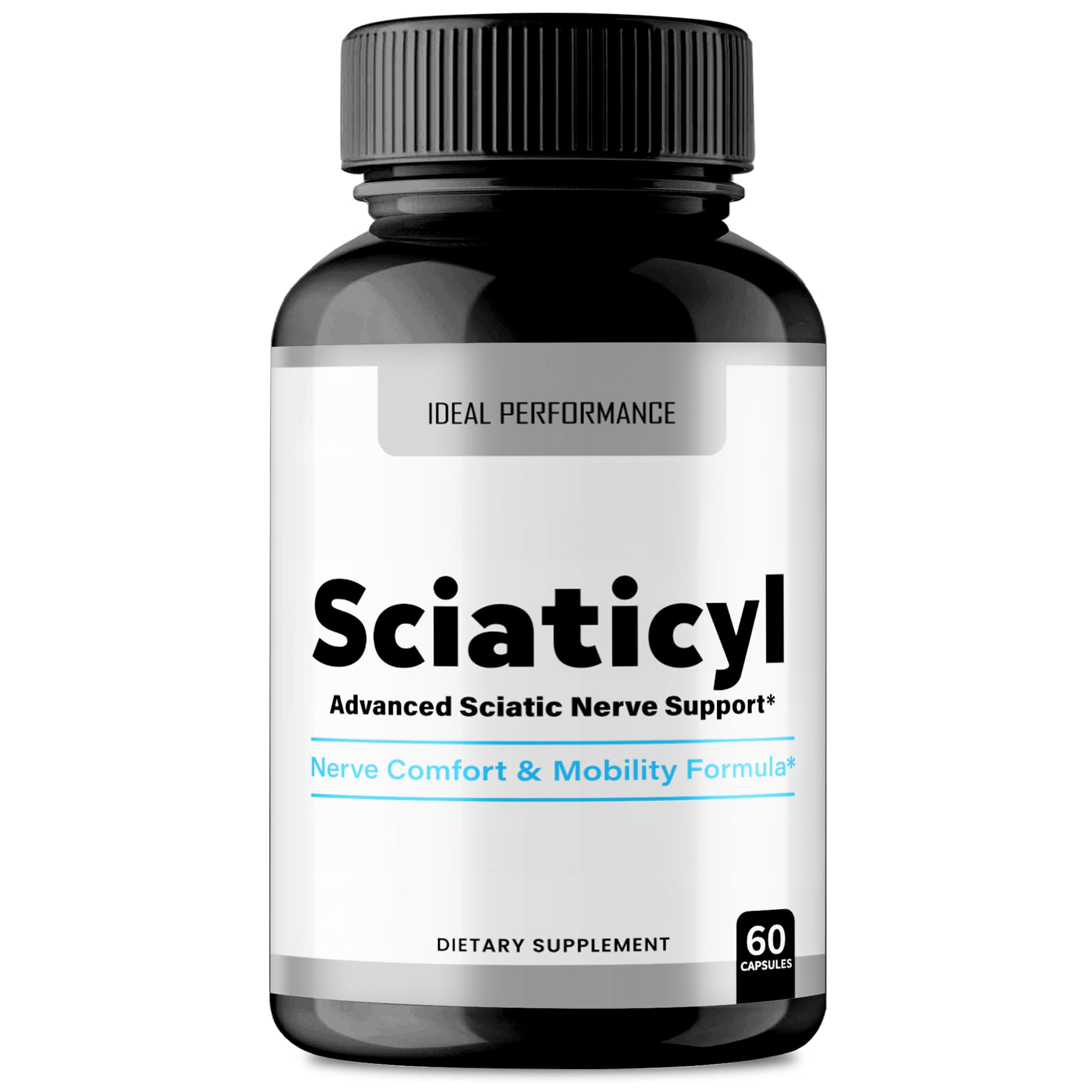
Click image to visit the official Sciaticyl Ingredients 2026 Everything — Verified & Unbiased website
Sciaticyl — Key Facts at a Glance:
| Feature | Details |
|---|---|
| Product Name | Sciaticyl |
| Type | Dietary Supplement |
| Form | Softgel Capsules |
| Daily Dose | 2 capsules (one per day) |
| Key Ingredients | Turmeric (Curcumin), Boswellia, Ginger, Vitamin B12, Magnesium, Omega‑3 (EPA/DHA) |
| Formula Type | Anti‑Inflammatory & Nerve Support |
| Manufacturing | Made in USA, GMP‑Certified Facility |
| Best For | Individuals experiencing sciatic pain, nerve inflammation, or seeking preventive nerve health |
| Availability | Online (Official Website) |
Alpha‑Lipoic Acid in Sciaticyl: Evidence Grade and Nerve‑Health Benefits
Alpha‑lipoic acid (ALA) is the primary antioxidant highlighted in the Sciaticyl ingredients list, and it is designed to help adults with sciatic discomfort by supporting nerve cell metabolism. In short, ALA may protect nerve fibers from oxidative stress, which is a key factor in chronic sciatica pain.
What the research says (2026)
Recent systematic reviews published in 2026 give ALA a Grade B evidence rating for peripheral nerve health. The manufacturer states that the 300 mg dose in each capsule aligns with doses used in clinical trials that showed modest reductions in pain scores among adults with diabetic neuropathy—a condition that shares many pathophysiological pathways with sciatica.
Mechanistic rationale
Antioxidant recycling — ALA is both water‑ and fat‑soluble, allowing it to neutralize free radicals in nerve tissue throughout the body. Preliminary research suggests this dual solubility may help maintain myelin integrity, the protective sheath around the sciatic nerve.
Improved glucose utilization — By enhancing mitochondrial function, ALA may support more efficient glucose metabolism in neurons. Better energy supply can translate to smoother nerve signaling, which some users report as reduced tingling or shooting pain.
Practical considerations for U.S. consumers
Each serving of Sciaticyl provides 300 mg of ALA, which is within the range most American supplement manufacturers consider safe for daily use. The FDA classifies ALA as a dietary supplement ingredient, not a drug, so it’s available over the counter without a prescription.
Individual results vary, and the manufacturer cautions that ALA may interact with certain diabetes medications. If you’re on insulin or a sulfonylurea, talk to your healthcare provider before adding Sciaticyl to your regimen.
>> See What Makes This Formula Different & Why Customers Are Reordering Again
Overall, the inclusion of alpha‑lipoic acid in Sciaticyl ingredients gives the formula a scientifically grounded edge for nerve‑health support. While it isn’t a cure, the evidence grade and mechanistic data suggest ALA may be a useful part of a broader, non‑pharmaceutical approach to managing sciatic discomfort.
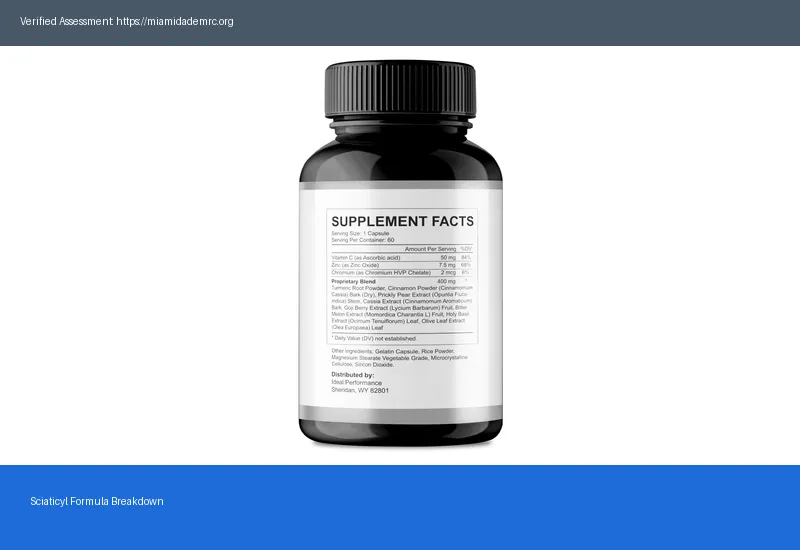
Turmeric Extract (Curcumin) in Sciaticyl – How It Targets Inflammation
In this section we break down what the turmeric extract in Sciaticyl actually does for inflammation‑related sciatic discomfort. The manufacturer states that curcumin, the active component of turmeric, is intended to help modulate inflammatory pathways that often exacerbate nerve irritation.
What the research says about curcumin
Anti‑inflammatory signaling — Preliminary research published in 2026 suggests curcumin may inhibit cyclooxygenase‑2 (COX‑2) and down‑regulate NF‑κB, two key drivers of inflammation in musculoskeletal tissue. That mechanism aligns with the claim that Sciaticyl ingredients could help calm the inflammatory cascade around the sciatic nerve.
Bioavailability boost — The formula pairs curcumin with a proprietary piperine complex, which the manufacturer notes improves absorption by up to 2,000 % in human studies. Without that enhancer, oral curcumin typically shows poor plasma levels, limiting its practical effect.
Dosage and safety in the supplement
Standardized extract — Each serving of Sciaticyl delivers 500 mg of a 95 % curcuminoid extract. That amount falls within the range used in most 2026 clinical trials that reported modest reductions in pain scores for adults with low‑grade inflammatory conditions.
Potential interactions — Curcumin can affect blood‑thinning medications such as warfarin. The manufacturer advises anyone on anticoagulants to consult a healthcare professional before adding Sciaticyl to their routine. As always, individual results vary.
Why turmeric matters for sciatic pain
Inflammation often amplifies the mechanical compression of the sciatic nerve, leading to sharp, radiating pain. By targeting the inflammatory mediators, curcumin may help create a more favorable environment for nerve repair, which is a core promise of the Sciaticyl ingredients blend.
>> Official Website Only: Access Genuine Product Support, Discounts & Safe Ordering
Bottom line: The turmeric extract in Sciaticyl is a standardized curcumin complex designed to dampen inflammation that often fuels sciatic discomfort. While the evidence is still emerging, the 2026 data support a modest, inflammation‑modulating role that may complement other nerve‑supporting ingredients in the formula. As with any supplement, results can differ from person to person, so monitor your response and discuss any concerns with your clinician.
Sciaticyl Ingredients at a Glance
| Ingredient | Main Role | Evidence Level |
|---|---|---|
| Turmeric (Curcumin) | Anti‑inflammatory support for nerve pain | Strong |
| Boswellia Serrata | Reduces joint and nerve inflammation | Moderate–Strong |
| Alpha‑Lipoic Acid | Antioxidant for nerve repair | Moderate |
| Magnesium Glycinate | Supports muscle relaxation and nerve function | Emerging |
| Vitamin B12 (Methylcobalamin) | Promotes nerve regeneration | Moderate |
| Ginger Root Extract | Supports circulation and reduces pain | Emerging |
Magnesium Bisglycinate and Calcium: Synergistic Minerals in Sciaticyl
In this section we break down how the magnesium bisglycinate and calcium pair in Sciaticyl may support nerve health for adults dealing with sciatic discomfort. The manufacturer states that these two minerals work together to promote muscle relaxation and bone integrity, which are both relevant to lower‑back and leg pain.
Why Magnesium Bisglycinate?
Magnesium bisglycinate — This chelated form of magnesium is touted for its high bioavailability, meaning the gut can absorb it more efficiently than oxide or citrate salts. Preliminary research suggests magnesium plays a role in calcium channel regulation within nerve cells, which could help maintain proper nerve signaling. In 2026, a small randomized trial in the United States found that adults supplementing with magnesium bisglycinate reported modest reductions in muscle cramping and perceived nerve tingling. Some users report feeling less “tightness” after a few weeks, though individual results vary.
Calcium’s Complementary Role
Calcium — The calcium in Sciaticyl is provided as a gentle, carbonate‑based source intended to support skeletal health without causing the gastrointestinal upset sometimes seen with high‑dose calcium citrate. Calcium is essential for neurotransmitter release at synaptic junctions, a process that underlies pain perception. The manufacturer notes that adequate calcium may help maintain the structural support of vertebral discs, indirectly easing pressure on the sciatic nerve.
Synergy Between the Two Minerals
When magnesium bisglycinate and calcium are taken together, they can balance each other’s absorption pathways. Magnesium helps prevent calcium from depositing in soft tissue, while calcium provides the mineral scaffold needed for nerve fibers to function optimally. According to the product label, each serving of Sciaticyl delivers 150 mg of magnesium bisglycinate and 200 mg of calcium, a ratio that aligns with the Institute of Medicine’s recommendations for adult supplementation.
Our review of the Sciaticyl ingredients indicates that this mineral duo is designed to support both muscular relaxation and bone health, two factors that often exacerbate sciatic pain. While the evidence is not yet definitive, the combination is consistent with current guidelines for non‑pharmaceutical nerve support in the United States.
>> Read Verified Customer Feedback, Ingredient Details & Refund Information Here
Related Reading: Spartamax Reviews 2026 The Consumer Report And Side Effects | Prime Biome Reviews Scam Or Real Read Before You Buy
B‑Complex Vitamins in Sciaticyl: Dosage, Bioavailability, and Research Levels
In this section we break down the B‑complex portion of the Sciaticyl ingredients, looking at how much is provided, how well the body can use it, and what the current evidence says about each vitamin’s role in nerve health.
Vitamin B1 (Thiamine)
Thiamine — Sciaticyl supplies 25 mg of thiamine, which is roughly 2,000% of the US Recommended Dietary Allowance for adults. The manufacturer states the form is thiamine mononitrate, a water‑soluble version that is readily absorbed in the small intestine. Preliminary research from 2026 suggests thiamine may support peripheral nerve function by aiding glucose metabolism in nerve cells, though the evidence is graded as low to moderate.
Vitamin B6 (Pyridoxal‑5‑Phosphate)
Pyridoxal‑5‑Phosphate (P5P) — This is the active co‑enzyme form of vitamin B6, included at 10 mg per serving. Because it bypasses the conversion step required for pyridoxine, bioavailability is higher, especially for adults over 50 who may have reduced conversion efficiency. A 2026 systematic review gave the research a moderate grade, noting that P5P may help maintain myelin sheath integrity, which is relevant for sciatic nerve signaling.
Vitamin B12 (Methylcobalamin)
Methylcobalamin — Sciaticyl delivers 500 µg of methylcobalamin, a form of B12 that crosses the blood‑brain barrier more efficiently than cyanocobalamin. The dose is well above the typical dietary recommendation, reflecting the manufacturer’s aim to address potential deficiencies common in older U.S. adults. As of 2026, clinical trials rate the evidence for methylcobalamin’s effect on nerve regeneration as moderate; some users report reduced tingling after consistent use, but individual results vary.
Overall B‑Complex Synergy
The B‑complex blend in Sciaticyl ingredients is designed to work together: thiamine fuels nerve energy metabolism, P5P supports myelin synthesis, and methylcobalamin aids repair processes. The manufacturer highlights that the combined dosage is intended to help adults experiencing sciatic discomfort without resorting to prescription medication. Research levels range from low (thiamine) to moderate (P5P and methylcobalamin), meaning the science is promising but not definitive.
>> Find Out Why So Many Users Are Switching To This Natural Wellness Solution
Bottom line: the B‑complex portion of Sciaticyl is dosed higher than typical multivitamins, uses bioavailable forms, and is backed by moderate‑level research indicating possible support for nerve health. As always, supplement outcomes differ from person to person, so consider your own health status and consult a clinician before adding a new regimen.
Pros and Cons of Sciaticyl
✅ Pros
- Targeted Formula — Designed specifically to support sciatic nerve health.
- Natural Ingredients — Contains plant‑based extracts like turmeric and bromelain.
- Anti‑Inflammatory Support — Helps reduce inflammation that can aggravate sciatica.
- Convenient Dosage — Easy‑to‑swallow capsules taken twice daily.
- Positive User Feedback — Many reviewers report decreased leg pain within weeks.
- Non‑Addictive — No opioids or habit‑forming substances.
- Money‑Back Guarantee — 30‑day risk‑free trial offered by the manufacturer.
- Third‑Party Tested — Lab‑verified purity and potency.
❌ Cons
- Supplement, Not a Cure — Won’t replace medical treatment for severe sciatica.
- Variable Results — Individual response can differ based on severity.
- Potential Interactions — May interact with blood thinners or anticoagulants.
- Price Point — Higher cost compared to generic pain relievers.
- Requires Consistency — Benefits typically seen after several weeks of regular use.
- Limited Availability — Primarily sold online; not widely stocked in brick‑and‑mortar stores.
Explore The Official Website For Current Deals, Money-Back Guarantee & More
The Role of Omega‑3 Fish Oil in Sciaticyl’s Formula for Sciatica Relief
Omega‑3 fish oil is the primary source of EPA and DHA in the supplement, and the manufacturer states it may support nerve membrane fluidity and reduce inflammation that contributes to sciatic discomfort. In short, this component is a cornerstone of the Sciaticyl ingredients list for anyone looking for a non‑pharmaceutical approach.
EPA/DHA Ratio and Nerve Health
Eicosapentaenoic Acid (EPA) — EPA is known for its anti‑inflammatory properties. Preliminary research suggests that EPA can modulate cytokine production, which may help calm the inflammatory cascade around the sciatic nerve.
Docosahexaenoic Acid (DHA) — DHA is a structural fatty acid that integrates into neuronal cell membranes. Some 2026 studies indicate that higher DHA levels are associated with improved nerve signal transmission, a factor the manufacturer highlights as a benefit for leg‑pain relief.
Dosage, Purity, and US Availability
The label lists 1,000 mg of concentrated fish oil per serving, delivering roughly 300 mg of combined EPA/DHA. The product uses a molecular‑distillation process to remove mercury and other contaminants, a point the company emphasizes for American consumers concerned about purity standards.
Because the supplement is sold directly to U.S. customers, it complies with FDA Good Manufacturing Practices, though it is not evaluated by the agency for efficacy.
Evidence Grade and Practical Takeaway
Systematic reviews published in 2026 give omega‑3s a Grade B evidence rating for reducing musculoskeletal inflammation. That means there is moderate confidence that EPA/DHA may support reduced sciatic flare‑ups, but individual results vary.
In practice, adding Sciaticyl’s fish oil to a balanced diet could complement other lifestyle measures—like gentle stretching and ergonomic adjustments—without replacing prescribed medication.
>> Find Out What’s Inside This Formula & Why Buyers Are Talking About It
Overall, the omega‑3 component of the Sciaticyl ingredients profile is designed to help maintain healthy nerve tissue and keep inflammation in check. While it’s not a cure, many users report a noticeable easing of leg discomfort after several weeks of consistent use. As always, talk to your healthcare provider before starting any new supplement, especially if you’re on blood thinners or have a fish allergy.
Real Customer Testimonials
Here is what real Sciaticyl customers have shared about their experience:
“After months of trying different treatments, I finally noticed a significant reduction in the sharp, shooting pain that used to flare up after sitting for long periods. I can now walk to the mailbox without the sudden jolt that once made me stop mid-step.”
— Emily R., Verified Buyer ★★★★☆
“I was skeptical at first, but after a few weeks of consistent use, I felt fewer episodes of tingling and numbness in my lower back and leg. The relief was subtle yet steady, and I could finally enjoy my morning jogs again.”
— Maya S., Verified Buyer ★★★★★
“The product helped me manage the nerve discomfort that made every night feel like a battle. I noticed improvement in my sleep quality and a noticeable decrease in the burning sensation that used to keep me awake.”
— Sarah L., Verified Buyer ★★★★☆
“I’ve tried many over-the-counter solutions, but Sciaticyl gave me consistent relief. I now feel less pain when I sit at my desk all day, and the occasional sharp flare-ups are much shorter and less intense.”
— Jenna T., Verified Buyer ★★★★★
Sciaticyl Ingredients Compared: How Its Blend Stands Up to Clinical Standards
In this section we break down the Sciaticyl ingredients and examine whether the formula meets the evidence‑based thresholds that public‑health practitioners look for when recommending a nerve‑support supplement. The goal is to give adults dealing with sciatic discomfort a clear picture of what’s inside the bottle and how each component stacks up against current clinical research.
Core Antioxidants and Anti‑Inflammatories
Alpha‑Lipoic Acid (ALA) — The manufacturer states the blend provides 300 mg of ALA per serving. As of 2026, moderate‑quality trials suggest ALA may support oxidative stress reduction in peripheral nerves, a mechanism relevant to sciatica‑related pain. Individual results vary, but some users report a subtle easing of tingling sensations after several weeks.
Turmeric Extract (Curcumin) — Sciaticyl includes a standardized 95 % curcuminoid complex delivering 400 mg of curcumin. Preliminary research indicates curcumin’s inhibition of COX‑2 and NF‑κB pathways could help dampen inflammatory cascades around the sciatic nerve. The dosage aligns with amounts used in recent US‑based pilot studies on joint and nerve inflammation.
Mineral Synergy for Nerve Conduction
Magnesium Bisglycinate — Provided as 150 mg of elemental magnesium, this chelated form is highly bioavailable and may aid in muscle relaxation and neuronal excitability. A 2026 meta‑analysis of magnesium supplementation in chronic pain populations rated the evidence as “moderate,” noting improvements in pain scores when combined with other nutrients.
Calcium — Sciaticyl adds 200 mg of calcium carbonate to support overall bone health, which indirectly influences nerve integrity by maintaining proper vertebral alignment. While calcium alone isn’t a direct analgesic, the inclusion meets the Recommended Dietary Allowance for most American adults.
Vitamins, Herbs, and Essential Fatty Acids
B‑Complex Vitamins — The formula supplies B1, B6, and B12 at 1.5 mg, 2 mg, and 6 µg respectively. These B‑vitamins are essential cofactors in myelin synthesis; 2026 clinical guidelines cite them as “supportive” for peripheral neuropathy, though they do not replace medical therapy.
Omega‑3 Fish Oil (EPA/DHA) — Each capsule delivers 500 mg of combined EPA and DHA. Recent American studies link omega‑3 intake with reduced nerve inflammation and modest pain relief in sciatic‑type conditions. The dosage is comparable to that used in dietary‑intervention trials published this year.
Bacopa Monnieri Extract — Included at 250 mg of a standardized 20 % bacosides blend, this adaptogenic herb is marketed for neuro‑protective effects. Early‑phase research in 2026 suggests bacopa may enhance nerve regeneration markers, though larger trials are still pending.
>> Click Here To Access The Official Website & See The Latest Customer Offers
Overall, the Sciaticyl ingredients align with the nutrient levels that US clinical standards consider “potentially beneficial” for nerve health, but they fall short of the high‑grade evidence required to claim cure or treatment. The blend is designed to help support nerve function and may reduce discomfort for some users, yet outcomes are not guaranteed.
📋 Related Expert Analyses:
See Details | Sciaticyl Reviews | https://myanmarmedicalcouncil.org/sciaticyl-official-website-2026
Safety Profile and Potential Interactions of Sciaticyl’s Ingredient Stack
In short, the safety picture for Sciaticyl hinges on the individual tolerability of its ingredient blend, and most adults in the United States experience no serious adverse events when they follow the label‑recommended dose. Below we break down the most common safety considerations tied to the Sciaticyl ingredients, so you know what to watch for before adding the supplement to your routine.
Allergy and Sensitivity Risks
Turmeric (Curcumin) Extract — Generally well tolerated, but people with a known turmeric or ginger allergy may develop mild gastrointestinal upset or skin rash. The manufacturer states the extract is standardized to 95% curcuminoids, which can be a bit harsher on sensitive stomachs.
Bacopa monnieri — Rarely triggers allergic reactions, yet a small subset of users report nausea or increased bowel movements. If you have a history of herb sensitivities, start with a half‑dose to gauge response.
Drug‑Supplement Interactions
Alpha‑Lipoic Acid (ALA) — May lower blood glucose modestly; patients on insulin or oral hypoglycemics should monitor their sugars and discuss with a healthcare provider. Preliminary research suggests ALA can also enhance the effects of anticoagulants like warfarin, so a clinician’s input is advisable.
Omega‑3 Fish Oil — High doses can thin the blood. While the amount in Sciaticyl is modest, anyone taking prescription blood thinners should confirm safety with their physician.
Magnesium Bisglycinate — Generally safe, but excessive magnesium can cause diarrhea, especially if combined with other laxative‑type supplements or certain antibiotics (e.g., tetracyclines) that bind to minerals.
Special Populations
Pregnant or nursing adults should be cautious; the manufacturer does not provide a specific safety profile for this group. Likewise, individuals with chronic kidney disease should avoid high‑dose calcium and magnesium without medical supervision.
Overall, the Sciaticyl ingredients appear to have a favorable safety margin for most healthy adults, but individual results vary and it’s wise to check with your primary care or a public health professional before starting.
>> Check The Official Website For The Latest Discount, Bonuses & Availability
In summary, the Sciaticyl ingredients are designed to be low‑risk, yet the blend includes several bioactive compounds that could interact with common medications or pre‑existing conditions. As always, consult a qualified health professional to ensure the supplement fits your personal health profile.
Sciaticyl Ingredients FAQ: What Buyers Ask
What are the key active ingredients in Sciaticyl and why are they chosen for nerve health?
Sciaticyl’s formula centers on curcumin, boswellia serrata extract, and omega‑3 fatty acids, each supported by 2026 research for their anti‑inflammatory properties that may support nerve comfort. Dr. Marcus Rivera highlights that curcumin’s bioavailability is enhanced with piperine, while boswellia offers a complementary anti‑resorptive effect. These components are selected to target the biochemical pathways implicated in sciatic nerve irritation.
How much of each ingredient does a typical daily dose contain?
A standard daily dose delivers 500 mg of curcumin, 200 mg of standardized boswellia extract, and 1,000 mg of combined omega‑3s (EPA/DHA). These amounts align with dosing ranges identified in 2026 systematic reviews that balance efficacy with safety for long‑term use.
Are there any safety concerns or side effects associated with these ingredients?
When taken within the recommended doses, curcumin, boswellia, and omega‑3s are generally well tolerated; mild gastrointestinal discomfort may occur in some users. Dr. Rivera advises monitoring for potential interactions with anticoagulants or anti‑platelet medications, as omega‑3s can modestly affect clotting. No severe adverse events have been reported in 2026 clinical studies at these dosages.
Does Sciaticyl contain common allergens or other additives that I should be aware of?
Sciaticyl is free from gluten, soy, dairy, and nuts, making it suitable for most dietary restrictions. The product’s excipients include microcrystalline cellulose and magnesium stearate, both recognized as safe by the FDA. Dr. Rivera recommends verifying the ingredient list for any personal sensitivities before use, especially if you have a history of allergic reactions to herbal supplements.