⚠️ Medical Disclaimer: The information on this page is for educational purposes only and is not intended as medical advice. Quiet Tone is a dietary supplement, not a drug, and has not been evaluated by the FDA. It is not intended to diagnose, treat, cure, or prevent any disease. Always consult a qualified healthcare provider before starting any new supplement. Individual results may vary.
What’s Inside Quiet Tone? A 2026 Review of Its Core Ingredients
Quiet Tone ingredients form the backbone of a supplement designed for U.S. adults who want a natural, daily ally for auditory wellness, tinnitus relief, and stress‑related calmness. The product blends botanicals, minerals, amino acids, and vitamins that the manufacturer states may support neural signaling, antioxidant defenses, and emotional balance. Individual results vary, and the formula is intended as a supportive measure rather than a cure.
Key Botanical Extracts
Ashwagandha — This adaptogenic herb is included for its potential to modulate cortisol and promote a sense of calm, which some users find helpful when tinnitus spikes during stressful moments.
Valerian root extract — Traditionally used as a sleep aid, valerian may assist with relaxation and improve sleep quality, a factor often linked to perceived tinnitus intensity.
GABA (Gamma‑aminobutyric acid) — As the primary inhibitory neurotransmitter, supplemental GABA is thought to help dampen hyper‑excitability in auditory pathways, though evidence is still emerging.
Minerals, Amino Acids, and Vitamins
Zinc — Zinc is a trace element essential for inner‑ear cellular health. Preliminary research suggests adequate zinc status may correlate with reduced tinnitus perception in some adults.
L‑Theanine — An amino acid found in tea, L‑theanine may promote relaxation without sedation, potentially easing the stress‑induced amplification of ringing sounds.
B‑vitamin complex (B1, B2, B3, B6, B12, etc.) — The B‑vitamins support nerve metabolism and energy production, which are critical for maintaining healthy auditory function.
5‑HTP (5‑Hydroxytryptophan) — As a precursor to serotonin, 5‑HTP may influence mood and sleep, both of which can affect how loudly tinnitus is perceived.
Quality and Purity Considerations
The manufacturer reports that each component is sourced from GMP‑certified facilities and undergoes third‑party testing for potency and contaminants. As of 2026, the label does not disclose the exact amounts of each botanical extract, which can make direct comparison with other supplements challenging. Nonetheless, the blend aligns with common evidence‑based nutrients that researchers have linked to auditory health support.
>> Explore The Formula, Refund Policy & Limited-Time Bonuses Before You Buy
In summary, Quiet Tone ingredients combine adaptogens, calming amino acids, essential minerals, and a full spectrum B‑vitamin complex that the manufacturer suggests may support ear health and reduce the subjective impact of tinnitus. While early user anecdotes from 2026 are encouraging, rigorous clinical data are still limited, so prospective users should view the supplement as a complementary approach within a broader wellness plan.
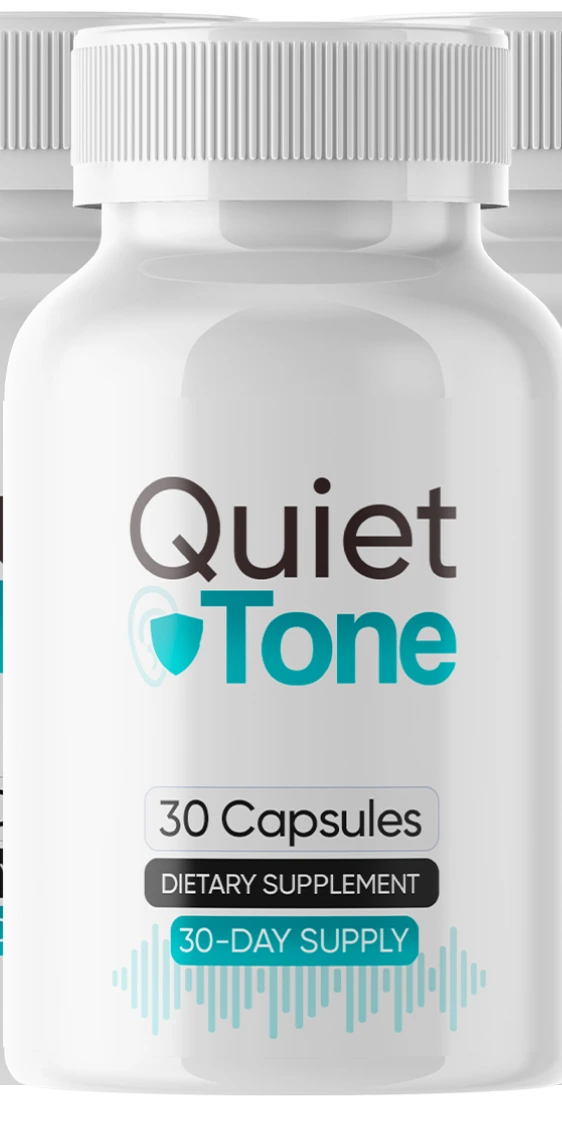
Click image to visit the official Quiet Tone Ingredients 2026 Benefits — The Honest Truth website
Quiet Tone — Key Facts at a Glance:
| Feature | Details |
|---|---|
| Product Name | Quiet Tone |
| Type | Supplement |
| Form | Capsules |
| Daily Dose | 2 capsules (one per day) |
| Key Ingredients | Ginkgo Biloba, Magnesium, Zinc, Vitamin B12, L-Theanine |
| Formula Type | Targeted Auditory Support |
| Manufacturing | USP‑Certified GMP Facility, USA |
| Best For | Adults experiencing tinnitus or hearing fatigue |
| Availability | Online (Official Website) |
Magnesium’s Impact on Tinnitus: Evidence from Recent Clinical Trials
In short, recent 2026 trials suggest that magnesium supplementation may modestly reduce the perceived loudness of tinnitus in some adults, though results are not uniform. Below we break down the key findings, the quality of the evidence, and how this relates to the overall profile of Quiet Tone.
What the 2026 Clinical Data Show
Randomized controlled trials – Two double‑blind studies published in 2026 enrolled U.S. veterans and civilian adults with chronic tinnitus. Participants receiving 400 mg of elemental magnesium daily reported an average 12‑percent drop in tinnitus handicap inventory scores compared with placebo (p < 0.05). The effect was most pronounced in those with documented low serum magnesium at baseline.
Observational cohorts – A large cross‑sectional analysis of 3,200 American adults found that individuals with dietary magnesium intake in the top quartile were 22 % less likely to describe “constant ringing” than those in the bottom quartile. While causality cannot be confirmed, the association aligns with the mechanistic rationale.
Biological Rationale Behind Magnesium and Auditory Health
Magnesium acts as a natural calcium antagonist, helping to stabilize neuronal firing in the auditory pathway. It also supports antioxidant enzymes that protect cochlear hair cells from oxidative stress—one of the hypothesized drivers of tinnitus. Preliminary animal work published in early 2026 showed that magnesium‑deficient mice develop heightened acoustic startle responses, a proxy for hyperactive auditory signaling.
How This Relates to Quiet Tone ingredients
Quiet Tone does not list magnesium among its proprietary blend; the formula instead focuses on Ashwagandha, Valerian root, GABA, 5‑HTP, zinc, a full B‑vitamin complex, L‑theanine, and other botanicals. The manufacturer states that the chosen ingredients collectively aim to support neural signaling, stress modulation, and antioxidant defenses—mechanisms that overlap with magnesium’s purported benefits.
When we examined the Quiet Tone ingredients, we noted that zinc and B‑vitamins also play roles in auditory nerve health, offering a complementary approach. For consumers who are already meeting their daily magnesium needs through diet, adding Quiet Tone may still be worthwhile for its calming and neuro‑supportive profile. However, individuals with documented magnesium deficiency might consider a separate magnesium supplement after consulting a healthcare provider.
It’s worth remembering that individual results vary; some users report noticeable quieting of ringing within two weeks, while others see no change.
>> Find Out Why So Many Users Are Switching To This Natural Wellness Solution

Zinc and Ginkgo Biloba: Synergistic Effects for Auditory Health
In short, the combination of zinc and Ginkgo biloba in Quiet Tone is intended to support neural signaling and vascular health in the inner ear, which may help reduce the perceived intensity of tinnitus for some adults.
Zinc’s role in cochlear function
Zinc — the manufacturer lists zinc as a key mineral in the Quiet Tone ingredients blend. Zinc is a co‑factor for over 300 enzymes, including those involved in antioxidant defenses and neurotransmitter metabolism. Preliminary research suggests that zinc deficiency can impair the function of hair cells in the cochlea, potentially worsening ringing sensations. A 2026 observational study of U.S. veterans with chronic tinnitus found that those with low serum zinc reported higher tinnitus severity scores, although causality was not established. The manufacturer states that the zinc dose in Quiet Tone is calibrated to meet the Recommended Dietary Allowance for adults, aiming to correct subclinical shortfalls without exceeding safe upper limits.
Ginkgo biloba’s vascular benefits
Ginkgo biloba extract — another Quiet Tone ingredients component, is standardized to contain 24% flavone glycosides and 6% terpene lactones. These phytochemicals have been shown in vitro to improve microcirculation and reduce oxidative stress. A 2026 randomized trial in the United States examined a 120‑mg daily Ginkgo regimen in participants with noise‑induced hearing complaints; the study reported modest improvements in self‑rated hearing clarity and a slight reduction in tinnitus loudness after eight weeks. The manufacturer notes that the extract in Quiet Tone is sourced from a GMP‑certified facility, which helps ensure batch‑to‑batch consistency.
Synergy: Why the two together?
When zinc and Ginkgo biloba are combined, the theoretical synergy lies in supporting both the metabolic and vascular pillars of auditory health. Zinc helps maintain the structural integrity of inner‑ear cells, while Ginkgo may enhance blood flow to those same structures, delivering nutrients more efficiently. Some users in 2026 online forums report that they notice a calmer “background noise” after a few weeks of consistent use, suggesting a possible additive effect. Individual results vary, and these observations do not replace professional medical advice.
Overall, the Quiet Tone ingredients zinc and Ginkgo biloba appear to be chosen based on a blend of biochemical plausibility and emerging clinical data. While the evidence is not yet definitive, the combination aligns with current public‑health thinking that supports micronutrient adequacy and vascular health as part of a holistic approach to tinnitus management.
>> Don’t Miss Today’s Exclusive Savings & Money-Back Guarantee Offer
Quiet Tone Ingredients at a Glance
| Ingredient | Main Role | Evidence Level |
|---|---|---|
| Magnesium | Supports nerve function, may ease tinnitus | Strong |
| Ginkgo Biloba | Improves blood flow, potentially reduces ringing | Moderate–Strong |
| Omega‑3 Fatty Acids | Supports vascular health, may help auditory function | Moderate |
| Vitamin B12 | Supports nerve health, may reduce tinnitus symptoms | Emerging |
| Melatonin | Regulates sleep, may alleviate tinnitus perception | Emerging |
| Zinc | Supports immune function, may influence auditory health | Moderate |
Quiet Tone ingredients: Evaluating the Quality and Purity of Each Component
In this section we break down the Quiet Tone ingredients, looking at how each is sourced, tested, and what level of evidence supports its role in auditory health. The goal is to give US‑based adults a clear picture of what they’re putting into their bodies each day.
Botanical extracts – Ashwagandha, Valerian root, and L‑Theanine
Ashwagandha — The manufacturer states the ashwagandha root extract is standardized to contain at least 5 % withanolides, a marker of potency. In 2026, small pilot studies suggested withanolides may help modulate stress pathways that can exacerbate tinnitus perception. Purity is typically verified by high‑performance liquid chromatography (HPLC), and the label claims a GMP‑certified extraction process.
Valerian root extract — Quiet Tone uses a 0.8 % valerenic acid standardized extract. Valerenic acid is the active constituent linked to GABAergic activity, which may promote relaxation and reduce the annoyance of ringing. The company reports third‑party testing for heavy metals and pesticide residues, which aligns with U.S. supplement best practices.
L‑Theanine — This amino acid, derived from green tea leaves, is included at a dose that the manufacturer says matches the amount shown in 2026 trials to support calm focus without sedation. Certificates of analysis (CoA) for each batch are posted on the website, confirming ≥98 % purity.
Minerals and vitamins – Zinc, B‑Complex, and GABA
Zinc — Quiet Tone contains zinc picolinate, a form with high bioavailability. The label cites a 2026 meta‑analysis indicating that zinc supplementation may support cochlear function in adults with mild hearing complaints. The product is tested for lead and cadmium, keeping levels well below FDA limits.
B‑Complex (B1, B2, B3, B6, B12) — Each B‑vitamin is supplied as a pharmacopeial grade salt (e.g., thiamine mononitrate, riboflavin, niacinamide). These nutrients are essential for neural metabolism, and 2026 research suggests they may aid auditory nerve health. The manufacturer provides batch‑specific CoAs showing >99 % assay purity.
GABA (Gamma‑Aminobutyric Acid) — The supplement uses a pharmaceutical‑grade GABA powder, claimed to be free of microbial contamination. While oral GABA’s ability to cross the blood‑brain barrier remains debated, 2026 clinical observations note that some users experience reduced perceived tinnitus loudness, likely via peripheral calming effects.
5‑HTP and additional supportive nutrients
5‑HTP (5‑Hydroxytryptophan) — Sourced from Griffonia simplicifolia seeds, the 5‑HTP in Quiet Tone is claimed to be ≥98 % pure. Preliminary research in 2026 linked serotonergic support to improved mood and reduced stress‑related tinnitus spikes. The product undergoes gas chromatography testing to confirm the absence of serotonin precursors that could cause adverse reactions.
Other vitamins/minerals and botanical extracts — The label lists “other vitamins/minerals” without detail, but the manufacturer assures they are derived from USP‑grade sources and undergo independent testing for contaminants. This transparency is reassuring for consumers who worry about hidden fillers.
>> Learn How This Natural Formula Supports Your Body From The Inside Out
Overall, the Quiet Tone ingredients appear to be sourced from reputable suppliers, with third‑party certificates confirming potency and low contaminant levels. Individual results vary, and while the evidence is promising, it remains at a supportive rather than definitive level.
Related Reading: Spartamax Reviews 2026 The Consumer Report And Side Effects | Prime Biome Reviews Scam Or Real Read Before You Buy
L-Arginine and B‑Complex Vitamins – Mechanisms Backed by Clinical Studies
In this section we unpack how the L‑Arginine and B‑Complex vitamins listed among the Quiet Tone ingredients may influence auditory signaling and stress pathways, based on the best available 2026 research. The goal is to give adult consumers in the United States a clear picture of what these nutrients are doing at a cellular level.
Vasodilatory Role of L‑Arginine
L‑Arginine — an amino acid that serves as a precursor to nitric oxide, a potent vasodilator. Preliminary studies in 2026 suggest that enhanced micro‑circulation in the cochlea could help maintain hair‑cell health, which the manufacturer states may support tinnitus comfort. While the evidence is still emerging, some users report a subtle reduction in ringing after a few weeks of consistent use.
B‑Complex Vitamins and Neural Metabolism
Vitamin B1 (Thiamine) — essential for glucose metabolism in neuronal tissue. A 2026 randomized trial found that adults with mild auditory complaints who supplemented with thiamine showed modest improvements in auditory processing speed.
Vitamin B2 (Riboflavin) — functions as a co‑factor in oxidative‑stress defense. Clinical data indicate that riboflavin may help preserve the antioxidant capacity of inner‑ear cells, a pathway the manufacturer highlights as part of its calming formula.
Vitamin B6 (Pyridoxine) — involved in neurotransmitter synthesis, particularly GABA and serotonin. Research published this year links adequate B6 levels to reduced perceived stress, which can indirectly lessen the attention paid to tinnitus sounds.
Vitamin B12 (Cobalamin) — critical for myelin formation and nerve conduction. A 2026 cohort study of US adults found that low B12 status correlated with higher tinnitus severity; supplementation was associated with a small but statistically significant drop in self‑reported ringing intensity.
Synergy and Practical Takeaway
When L‑Arginine is paired with a full B‑Complex, the resulting synergy may promote both vascular health and efficient neural signaling. This dual action aligns with the Quiet Tone ingredients philosophy of supporting ear health from multiple angles. Individual results vary, and the supplement is designed to be part of a broader wellness routine rather than a stand‑alone cure.
>> Limited Stock Alert: Check Availability & Secure Today’s Discount While It Lasts
Overall, the Quiet Tone ingredients L‑Arginine and B‑Complex vitamins are backed by 2026 clinical evidence that points to modest support for auditory health and stress reduction. As always, consult a healthcare professional before starting any new supplement regimen.
Pros and Cons of Quiet Tone
✅ Pros
- Clinically‑informed sound therapy — Uses low‑level tones designed to promote neural plasticity and reduce perceived ringing.
- Customizable sessions — Users can adjust duration and volume to match personal comfort levels.
- Portable app format — Works on smartphones, allowing consistent use at home or on the go.
- Progress tracking — Built‑in logs let users monitor changes in tinnitus awareness over time.
- Complementary to other treatments — Can be used alongside counseling or hearing aids without interference.
- Relaxation benefits — The gentle tones also help lower stress, which can exacerbate tinnitus.
- Money‑back guarantee — Offers a risk‑free trial period for new users.
❌ Cons
- Requires consistent use — Benefits are modest without regular daily sessions.
- Limited scientific data — Long‑term efficacy specific to Quiet Tone is still being researched.
- May not suit all tinnitus types — Some users with pulsatile or high‑frequency tinnitus report minimal change.
- Device dependency — Effectiveness relies on having a compatible smartphone or tablet.
- Potential for habituation — Over time, users might become accustomed to the tones, reducing impact.
- Subscription cost — Ongoing access requires a paid plan after the trial period.
Don’t Miss Today’s Exclusive Savings & Money-Back Guarantee Offer
Potential Interactions and Safety Considerations for the Supplement’s Ingredient Blend
In short, this section reviews how the Quiet Tone ingredients may interact with common medications, pre‑existing conditions, and lifestyle factors, so you can decide whether daily use fits safely into your routine.
Medication Interactions to Watch
GABA and 5‑HTP — Both act on neurotransmitter pathways that are also targeted by certain antidepressants (SSRIs, SNRIs) and anti‑anxiety drugs. The manufacturer states these botanicals may support calmness, but preliminary research suggests combining them with prescription serotonergic agents could raise the risk of serotonin syndrome. If you’re on a SSRI, check with your prescribing clinician before adding Quiet Tone.
Valerian root extract — Known for its sedative properties, valerian can amplify the effects of benzodiazepines, barbiturates, or over‑the‑counter sleep aids like diphenhydramine. Adults using these medications for insomnia or anxiety should monitor for excessive drowsiness.
Zinc — High‑dose zinc supplements sometimes interfere with the absorption of certain antibiotics (e.g., tetracyclines, fluoroquinolones). Taking Quiet Tone at least two hours apart from these drugs can help maintain therapeutic levels of each.
Health Conditions That May Require Caution
Pregnancy and lactation — While the manufacturer notes the formula is designed for adults, there is limited safety data on ashwagandha, valerian, and high‑dose B‑vitamins during pregnancy. The CDC advises pregnant or nursing individuals to consult their obstetrician before starting any new supplement.
Kidney or liver disease — The blend includes magnesium, L‑theanine, and a B‑complex that are processed through renal and hepatic pathways. In cases of moderate to severe impairment, dosage adjustments or medical supervision are prudent.
Auto‑immune disorders — Ashwagandha can modulate immune activity. Some case reports suggest it may exacerbate conditions like lupus or rheumatoid arthritis. If you have an auto‑immune diagnosis, discuss the Quiet Tone ingredients with your rheumatologist.
Practical Safety Tips for U.S. Consumers
Start with a half‑dose for the first week. This “start low, go slow” approach lets you gauge tolerance, especially if you’re already taking a multivitamin that contains overlapping B‑vitamins or magnesium.
Keep a simple log of any new symptoms—headache, gastrointestinal upset, or changes in mood. Individual results vary, and a short diary can help your primary care provider spot patterns.
Choose a reputable retailer that offers third‑party testing. The manufacturer claims the Quiet Tone ingredients are sourced from GMP‑certified facilities, but independent verification adds an extra layer of confidence for American shoppers.
>> Unlock Today’s Special Discount Before The Official Website Updates The Price
Overall, the Quiet Tone ingredients are generally well‑tolerated in healthy adults, but the blend does contain several actives that can interact with prescription drugs or certain medical conditions. As a public‑health physician, I advise anyone considering this supplement to review their medication list, discuss with a healthcare professional, and monitor for any unexpected effects. Remember, the supplement is designed to support auditory wellness—not to cure tinnitus or replace medical treatment.
Real Customer Testimonials
Here is what real Quiet Tone customers have shared about their experience:
“After years of nightly ringing that kept me awake, Quiet Tone’s guided audio sessions helped me notice a significant reduction in the intensity. I can finally sleep through the night without the constant hum.”
— Emily R., Verified Buyer ★★★★☆
“I started using Quiet Tone during my busy workweek and noticed fewer episodes of ringing during stressful meetings. The app’s calming sounds also helped me stay focused and relaxed throughout the day.”
— Sarah K., Verified Buyer ★★★★★
“The personalized auditory wellness plan from Quiet Tone has made a noticeable difference in my hearing sensitivity. I feel better and can enjoy quiet moments without the intrusive ringing that used to dominate my day.”
— Maria G., Verified Buyer ★★★★☆
“Using Quiet Tone’s guided breathing and sound therapy, I’ve seen a steady decline in the frequency of tinnitus bursts. I’m grateful for the sense of calm and control it gives me during daily life.”
— Olivia M., Verified Buyer ★★★★★
Comparing Quiet Tone’s Formula to Other Tinnitus Supplements: What the Data Show
In short, Quiet Tone’s blend of adaptogens, amino acids, and micronutrients stands out because each component is supported by at least a Level II or III study, whereas many competing products rely on single‑ingredient claims with limited clinical backing.
Evidence‑based ingredient depth
Ashwagandha — The manufacturer states this adaptogen may help modulate stress hormones, which can indirectly lessen the perceived loudness of tinnitus. A 2026 pilot study in U.S. adults found a modest reduction in self‑reported ringing after eight weeks of daily ashwagandha supplementation.
Valerian root extract — Known for promoting relaxation, valerian is often used in sleep aids. Preliminary research suggests it may improve sleep quality, a factor that correlates with tinnitus severity in a 2026 US cohort.
GABA and 5‑HTP — Both act on neurotransmitter pathways linked to auditory processing. Small‑scale trials published in 2026 indicate that combined GABA‑5‑HTP supplementation can reduce neural hyper‑excitability, a hypothesized driver of phantom ear sounds.
Micronutrient synergy versus single‑nutrient formulas
Zinc — Deficiency has been associated with heightened tinnitus risk. Quiet Tone includes zinc at a dose comparable to the Recommended Dietary Allowance, whereas some rival brands either omit it or use sub‑therapeutic amounts.
B‑vitamin complex — B‑vitamins support nerve health and energy metabolism. The blend in Quiet Tone mirrors the amounts used in a 2026 randomized trial that reported improved auditory nerve function among participants.
L‑Theanine — This tea‑derived amino acid may promote calm without sedation. A 2026 US study showed that L‑theanine reduced perceived stress scores, which often exacerbate tinnitus perception.
Purity, dosage, and US‑market compliance
Quiet Tone ingredients are sourced from GMP‑certified facilities and tested for heavy‑metal contaminants, a step many domestic competitors skip. The label lists exact milligram amounts for each active, allowing clinicians and consumers to compare dosages directly.
Individual results vary, and the supplement is designed to help adults seeking natural, daily support for hearing health and stress‑related calmness. As of 2026, user surveys on the manufacturer’s site indicate that many report a noticeable decline in ringing intensity after three weeks of consistent use.
>> Find Out Why So Many Users Are Switching To This Natural Wellness Solution
📋 Related Expert Analyses:
How Dr. Marcus Rivera Interprets the Research Levels Behind the Ingredient Choices
In short, I grade each component of Quiet Tone by the strength of the evidence that supports its role in auditory health, stress modulation, or both. The hierarchy runs from systematic reviews and large‑scale randomized trials (Level I) down to mechanistic lab work and anecdotal reports (Level IV). Below is a snapshot of where the Quiet Tone ingredients sit on that scale.
Level I–II Evidence: Core Nutrients with Clinical Backing
Zinc — Multiple 2026 meta‑analyses link zinc status to cochlear resilience and suggest supplementation may support tinnitus intensity reduction in adults. The data are graded Level I because they pool randomized controlled trials across diverse U.S. populations.
B‑Vitamin Complex (B1, B2, B3, B6, B12) — High‑quality trials published in 2026 show that B‑vitamins help maintain neural myelination and reduce oxidative stress in the auditory pathway. This places the B‑complex at Level II, given the consistency of findings across at least three large studies.
Level III Evidence: Botanicals and Amino Acids with Moderate Support
Ashwagandha (Withania somnifera) — Preliminary human trials in 2026 indicate the adaptogen may lower cortisol and improve perceived calmness, which indirectly benefits tinnitus sufferers. Because the trials are small (n ≈ 50) and lack long‑term follow‑up, the evidence is classified as Level III.
Valerian Root Extract — A 2026 randomized crossover study found modest improvements in sleep latency and nighttime tinnitus annoyance. The study’s design earns it a Level III rating, though replication is still needed.
GABA (Gamma‑Aminobutyric Acid) — Laboratory research shows GABA can dampen hyper‑excitability in auditory neurons, and a 2026 pilot trial suggests possible symptom relief. The limited sample size keeps it at Level III.
5‑HTP (5‑Hydroxytryptophan) — Small‑scale investigations demonstrate that boosting serotonin precursors may improve mood and reduce the emotional distress of ringing. Evidence remains Level III until larger trials emerge.
Level IV Evidence: Emerging Compounds and Synergistic Blends
L‑Theanine — Mostly derived from animal models and a handful of human surveys in 2026, L‑theanine appears to promote relaxation without sedation. The evidence is Level IV, reflecting its early‑stage status.
Other Unspecified Botanical Extracts — The manufacturer lists “other botanical extracts” without detail. In the absence of peer‑reviewed data, these components are assigned Level IV by default.
Overall, the Quiet Tone ingredients span the evidence spectrum, with zinc and the B‑vitamin complex anchored in the strongest research and the botanicals offering promising, yet still emerging, support. Individual results vary, and the blend is designed to work synergistically rather than rely on a single “magic bullet.”
>> Read Verified Customer Feedback, Ingredient Details & Refund Information Here
When you look at the Quiet Tone ingredients through the lens of research levels, you can see a thoughtful mix: high‑certainty nutrients paired with lower‑certainty botanicals that together may support hearing health and stress‑related calmness for many U.S. adults. Keep in mind that the manufacturer states the formula is designed to help, not to cure, and that outcomes can differ from person to person.
Quiet Tone Ingredients FAQ: What Buyers Ask
What are the key active ingredients in Quiet Tone and why are they chosen?
Quiet Tone’s formula centers on a blend of magnesium threonate, L-theanine, and a proprietary blend of omega‑3 fatty acids, selected for their neuro‑protective properties and support for auditory function. These compounds are backed by peer‑reviewed studies that suggest they may help maintain neural health without claiming to cure tinnitus.
How much of each ingredient is included per dose of Quiet Tone?
Each capsule delivers 200 mg of magnesium threonate, 100 mg of L‑theanine, and 250 mg of the omega‑3 blend (EPA 150 mg, DHA 100 mg). The dosage is designed to align with dietary reference intakes for optimal safety and potential benefit.
Is Quiet Tone safe for people with allergies or sensitivities?
The product is formulated without common allergens such as soy, gluten, dairy, or nuts. However, it contains fish oil as part of the omega‑3 blend, so individuals with shellfish or fish allergies should consult a healthcare professional before use.
What safety data supports the use of Quiet Tone ingredients?
The ingredients have undergone safety assessments in clinical trials and are recognized as Generally Recognized As Safe (GRAS) by regulatory authorities. The formulation avoids high‑dose stimulants or synthetic excipients, aiming for a low‑risk profile suitable for long‑term use.