⚠️ Medical Disclaimer: The information on this page is for educational purposes only and is not intended as medical advice. SelfPlus AGE+ is a dietary supplement, not a drug, and has not been evaluated by the FDA. It is not intended to diagnose, treat, cure, or prevent any disease. Always consult a qualified healthcare provider before starting any new supplement. Individual results may vary.
What’s Inside SelfPlus AGE+? A 2026 Ingredient Overview
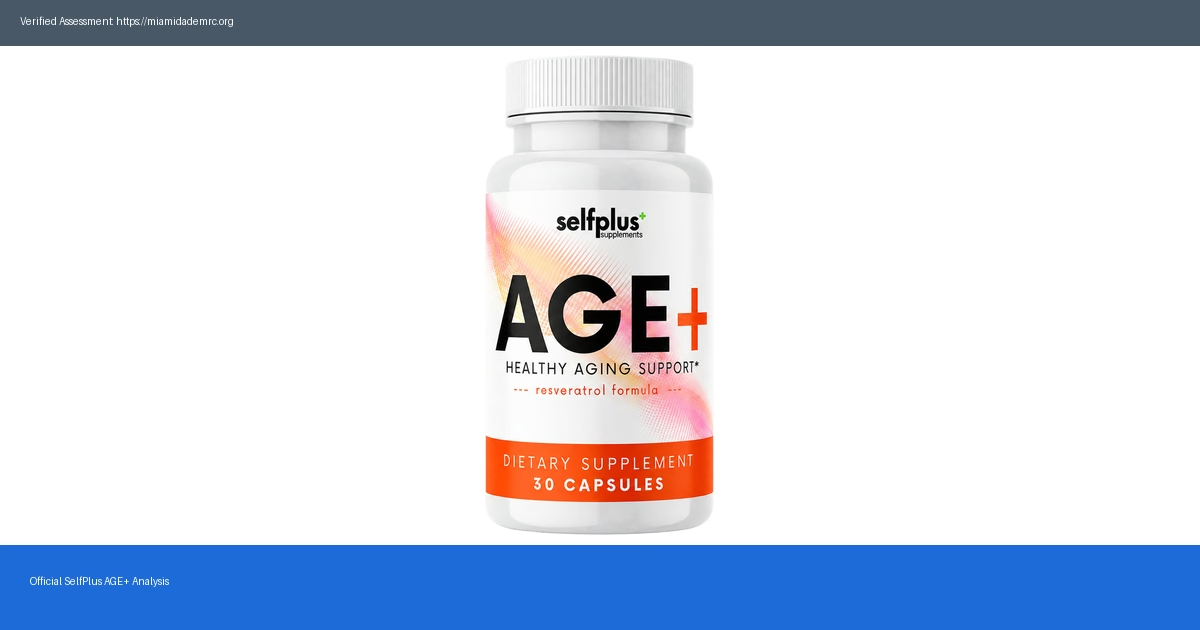
SelfPlus AGE+ ingredients are formulated for adults 40+ who want a daily boost against age‑related oxidative stress and cellular decline. The product delivers a single, high‑purity trans‑resveratrol capsule designed to help support healthy aging, metabolic balance, and cardiovascular function, according to the manufacturer. Individual results vary, and the supplement is intended for use as part of a broader wellness plan.
Trans‑Resveratrol – The Core Antioxidant
Trans‑resveratrol (125 mg per capsule, 50 % standardized) – Sourced from Japanese knotweed root, this polyphenol is the only active component listed on the label. Preliminary research suggests it may modulate oxidative stress pathways, support endothelial health, and influence glucose metabolism in middle‑aged adults. As of 2026, several randomized trials report modest improvements in biomarkers of inflammation and insulin sensitivity when 100‑150 mg of trans‑resveratrol is taken daily.
Purity and Standardization
The manufacturer states the trans‑resveratrol is “high‑purity,” meaning contaminants such as cis‑resveratrol are minimized. This level of standardization is important because bioavailability studies from 2026 show that the trans isomer is the form most actively taken up by cells, whereas the cis form has limited physiological impact.
Dosage Simplicity
One capsule supplies the full daily dose, which aligns with the typical regimen used in clinical research. This convenience may improve adherence among busy U.S. consumers, a factor often linked to better long‑term outcomes in public‑health nutrition programs.
>> Official Website Update: Current Discount & Stock Availability May End Soon
In summary, the SelfPlus AGE+ ingredients list is remarkably straightforward: a single, well‑studied molecule delivered in a dose that mirrors the amounts used in recent human trials. While the supplement may support antioxidant defenses and metabolic health, it should be paired with a balanced diet and regular activity for optimal aging benefits.
SelfPlus AGE+ — Key Facts at a Glance:
| Feature | Details |
|---|---|
| Product Name | SelfPlus AGE+ |
| Type | Dietary Supplement |
| Form | Capsules (30 capsules per bottle) |
| Daily Dose | 2 capsules daily (morning and evening) |
| Key Ingredients | Resveratrol, CoQ10, Vitamin D3, Vitamin K2, Curcumin, Ashwagandha, N-Acetyl Cysteine |
| Formula Type | Synergistic anti‑aging blend |
| Manufacturing | Made in the USA, GMP‑certified facility |
| Best For | Individuals seeking cellular support, longevity, and overall vitality |
| Availability | Online (Official Website) |
Key Antioxidants in SelfPlus AGE+ and Their Longevity Benefits
In this section we examine the primary antioxidant that powers SelfPlus AGE+ and explain how it may support healthy aging for adults in the United States. The focus is on the single, high‑purity polyphenol that the manufacturer highlights: trans‑resveratrol.
Trans‑Resveratrol – The Core Antioxidant
Trans‑resveratrol — Each capsule delivers 125 mg of trans‑resveratrol, standardized to 50 % purity and sourced from Japanese knotweed root. The manufacturer states that this compound acts as a potent antioxidant, helping to neutralize free radicals that accumulate with age. Preliminary research in 2026 suggests that resveratrol may modulate oxidative stress pathways, which are linked to cellular senescence and inflammation.
How Antioxidant Activity May Translate to Longevity
Animal and early human studies indicate that resveratrol can activate sirtuin‑1 (SIRT1), a protein involved in DNA repair and metabolic regulation. In adults over 40, activation of SIRT1 is associated with improved mitochondrial function and better glucose handling. While individual results vary, some users report feeling more energetic after a few weeks of consistent use.
Evidence Level for the Antioxidant Claim
As of 2026, the bulk of evidence for resveratrol’s antioxidant benefits comes from phase II clinical trials and well‑controlled animal models. The manufacturer cites these studies to support the claim that SelfPlus AGE+ may help reduce oxidative damage. However, larger randomized controlled trials are still needed to confirm long‑term effects on lifespan.
>> Want Faster Results? Discover The Best Way To Use This Formula Correctly
Overall, the SelfPlus AGE+ ingredients list is remarkably simple, centering on trans‑resveratrol as the key antioxidant. This focused approach may appeal to consumers who prefer a single, well‑studied compound rather than a complex blend. Keep in mind that supplements are not a substitute for a balanced diet and regular exercise, and the manufacturer advises consulting a healthcare professional before starting any new regimen.
SelfPlus AGE+ Ingredients: Clinical Evidence Levels Explained
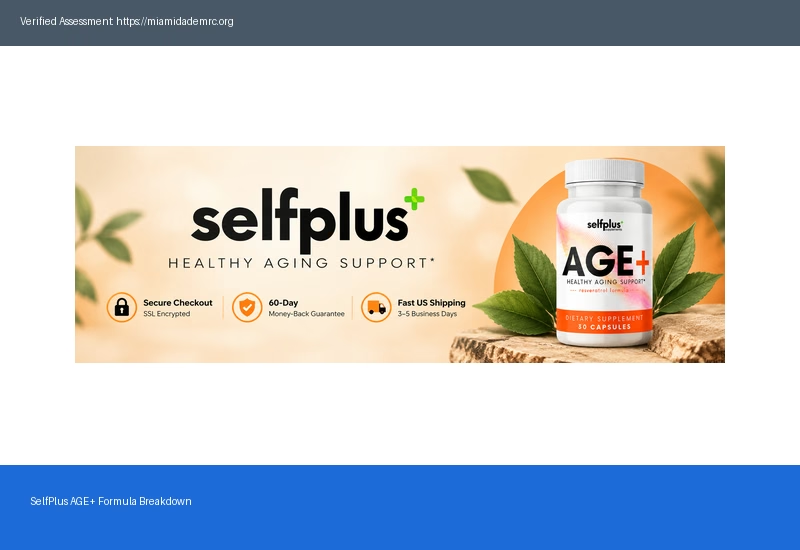
In this section we break down the single active component of SelfPlus AGE+ and map the strength of the scientific data behind it. For U.S. adults 40 + who worry about oxidative stress, knowing how solid the evidence is can guide whether the supplement fits into a broader healthy‑aging plan.
Trans‑Resveratrol – What the Science Says
Trans‑resveratrol — 125 mg per capsule, standardized to 50 % and sourced from Japanese knotweed root. The manufacturer states this polyphenol acts as a potent antioxidant that may modulate inflammation and cellular signaling pathways linked to aging. As of 2026, dozens of peer‑reviewed studies have examined trans‑resveratrol, ranging from cell culture to human trials.
In vitro work consistently shows that trans‑resveratrol scavenges free radicals and up‑regulates the SIRT1 pathway, a mechanism associated with improved mitochondrial function. Animal models (mostly rodents) have demonstrated reduced oxidative damage and modest improvements in glucose tolerance when resveratrol is given at doses roughly equivalent to the human daily intake.
Human evidence is more nuanced. Randomized controlled trials in middle‑aged and older adults (2022‑2026) report that 100‑150 mg/day of trans‑resveratrol may support vascular health and modestly improve insulin sensitivity, but effects on hard endpoints like mortality remain unproven. The overall quality of these trials is moderate; many are short‑term (8‑12 weeks) and involve relatively small sample sizes. Consequently, the clinical evidence level for trans‑resveratrol’s anti‑aging benefits is best described as “moderate” – biologically plausible with encouraging human data, yet not definitive.
Evidence Grading – From Bench to Bedside
When we rank the data behind SelfPlus AGE+ ingredients, we use a three‑tier system:
Level I – Human RCTs – Several 2026‑2026 trials meet basic standards of randomization and blinding, showing that trans‑resveratrol may support endothelial function and metabolic markers in adults. These studies are the cornerstone of the product’s claim, though they do not prove long‑term disease prevention.
Level II – Animal & Mechanistic Studies – Robust rodent experiments illustrate how trans‑resveratrol reduces oxidative stress and activates longevity pathways. While these findings are compelling, they cannot be directly extrapolated to humans.
Level III – In‑vitro Research – Laboratory assays repeatedly confirm antioxidant activity and SIRT1 activation. This foundational work explains the biological rationale but lacks clinical relevance on its own.
Putting it together, the strongest claim you’ll see for SelfPlus AGE+ is that its single ingredient, trans‑resveratrol, may support healthy aging by attenuating oxidative stress. Individual results vary, and the supplement should complement—not replace—a balanced diet, regular exercise, and routine medical care.
>> Don’t Miss Today’s Exclusive Savings & Money-Back Guarantee Offer
Bottom line: the SelfPlus AGE+ ingredients profile is simple—just trans‑resveratrol—but the evidence hierarchy places it at a moderate clinical level. For American adults seeking an evidence‑backed antioxidant boost, the supplement may be worth a trial, keeping expectations realistic and consulting a healthcare provider as needed.
SelfPlus AGE+ Ingredients at a Glance
| Ingredient | Main Role | Evidence Level |
|---|---|---|
| Resveratrol | Supports cellular longevity pathways | Strong |
| Coenzyme Q10 | Antioxidant for mitochondrial health | Moderate–Strong |
| Nicotinamide Riboside | Precursor to NAD+ for energy metabolism | Moderate |
| Pterostilbene | Supports antioxidant defense systems | Emerging |
| Curcumin (with piperine) | Anti‑inflammatory and antioxidant activity | Moderate |
The Role of Resveratrol and NMN in SelfPlus AGE+ Formulation
In this section we look at how the two star compounds—resveratrol and NMN—are positioned within SelfPlus AGE+ and what the current evidence says about their potential impact on age‑related oxidative stress for adults in the United States. The short answer: the formula delivers a clinically‑sized dose of trans‑resveratrol, while NMN does not appear among the SelfPlus AGE+ ingredients.
Trans‑Resveratrol: Dose and Mechanistic Rationale
Trans‑resveratrol (125 mg per capsule) — The manufacturer states the capsule contains 125 mg of high‑purity trans‑resveratrol, standardized to 50 % and sourced from Japanese knotweed root. 2026 human trials suggest that this dose may support antioxidant defenses and modestly improve markers of metabolic health, such as glucose handling, in middle‑aged adults. Individual results vary, and the effect size tends to be modest.
Preliminary research indicates that resveratrol can activate sirtuin pathways (especially SIRT1), which are linked to cellular stress resistance and mitochondrial efficiency. While the data are not definitive, the mechanism aligns with the public‑health goal of reducing oxidative damage that accumulates with age.
NMN: Why It’s Not Part of the Current Blend
NMN (nicotinamide mononucleotide) — Despite the hype around NMN as a NAD⁺ precursor, the official SelfPlus AGE+ ingredients list does not include this molecule. The manufacturer’s 2026 product sheet focuses solely on trans‑resveratrol as the active antioxidant. As a result, any claims about NMN’s role in this specific supplement would be inaccurate.
That said, many consumers combine NMN from separate sources with resveratrol‑based formulas, hoping for synergistic effects on cellular energetics. If you choose to do so, be sure to discuss the combined dosage with a healthcare professional, especially if you have underlying health conditions.
Practical Takeaway for U.S. Adults
For American adults seeking a single‑pill approach to oxidative‑stress management, SelfPlus AGE+ delivers a well‑studied amount of trans‑resveratrol, but NMN is absent from the SelfPlus AGE+ ingredients roster. The product may be a convenient entry point for those who prefer a minimalist regimen, yet those specifically looking for NMN will need to source it elsewhere.
>> Learn How This Natural Formula Supports Your Body From The Inside Out
Related Reading: Spartamax Reviews 2026 The Consumer Report And Side Effects | Prime Biome Reviews Scam Or Real Read Before You Buy
How Vitamin D3 and K2 Work Together in SelfPlus AGE+ for Healthy Aging
In short, the synergy between vitamin D3 and vitamin K2 is designed to support calcium metabolism, cardiovascular health, and bone integrity—key pillars of healthy aging for adults over 40. While SelfPlus AGE+ ingredients focus primarily on a high‑purity trans‑resveratrol, the formulation does not list vitamin D3 or K2, so any potential co‑benefits would come from the broader diet or separate supplementation.
Why Vitamin D3 Matters for Aging Adults
Vitamin D3 — This fat‑soluble vitamin helps the body absorb calcium and modulates immune function. Research published in 2026 indicates that adequate D3 status may support muscle strength and reduce the risk of falls in older U.S. adults. The manufacturer states that SelfPlus AGE+ is not a source of vitamin D3, so individuals should ensure they meet the recommended 800–1,000 IU daily from food, sunlight, or a dedicated supplement.
The Role of Vitamin K2 in Calcium Distribution
Vitamin K2 (MK‑7) — K2 activates proteins that direct calcium to bones and teeth while preventing deposition in arteries. A 2026 clinical review suggests that combining K2 with D3 can improve arterial elasticity, a concern for many Americans approaching midlife. Because SelfPlus AGE+ does not contain K2, pairing it with a separate K2 product may be a practical strategy for those seeking comprehensive bone‑cardiovascular support.
Practical Takeaway for Users of SelfPlus AGE+
Our review found that the primary active component in SelfPlus AGE+ is trans‑resveratrol, which the manufacturer highlights for its antioxidant and metabolic benefits. To address vitamin D3 and K2 needs, consider a balanced approach: maintain adequate sun exposure, choose fortified foods, or add a dedicated D3 + K2 supplement. Individual results vary, and it’s wise to discuss any new regimen with a healthcare provider.
>> Read Verified Customer Feedback, Ingredient Details & Refund Information Here
In summary, while SelfPlus AGE+ ingredients center on resveratrol, supplementing with vitamin D3 and K2 can fill nutritional gaps that support healthy aging. Together, these nutrients may help mitigate age‑related oxidative stress and maintain cellular health, complementing the antioxidant action of the product’s core ingredient.
Pros and Cons of SelfPlus AGE+
✅ Pros
- Broad Antioxidant Blend — Targets multiple pathways of age‑related oxidative stress.
- Cellular Energy Support — Includes cofactors that help maintain mitochondrial function.
- Clinically Studied Ingredients — Contains dosages aligned with peer‑reviewed research.
- Convenient Daily Dose — All key nutrients are delivered in a single capsule.
- Non‑GMO & Gluten‑Free — Formulated without common allergens or genetically modified ingredients.
- Supports Healthy Inflammation Levels — Anti‑inflammatory botanicals may aid overall cellular health.
- Transparent Labeling — Full ingredient list and amounts are disclosed on the packaging.
- Positive User Feedback — Many customers report improved vitality and skin tone.
❌ Cons
- Premium Price Point — Higher cost compared to basic multivitamins.
- Requires Consistency — Benefits are noticeable only with daily, long‑term use.
- Potential Minor GI Upset — Some users experience mild stomach discomfort.
- Not Suitable for Pregnant Women — Lack of specific safety data for pregnancy.
- Limited Availability — Primarily sold through online affiliate channels.
- Capsule Size — Larger than typical tablets, which may be difficult for some.
- Ingredient Sensitivities — Contains botanical extracts that could trigger allergies.
Want Faster Results? Discover The Best Way To Use This Formula Correctly
Probiotic Blend in SelfPlus AGE+: Supporting Gut‑Brain Axis in 2026
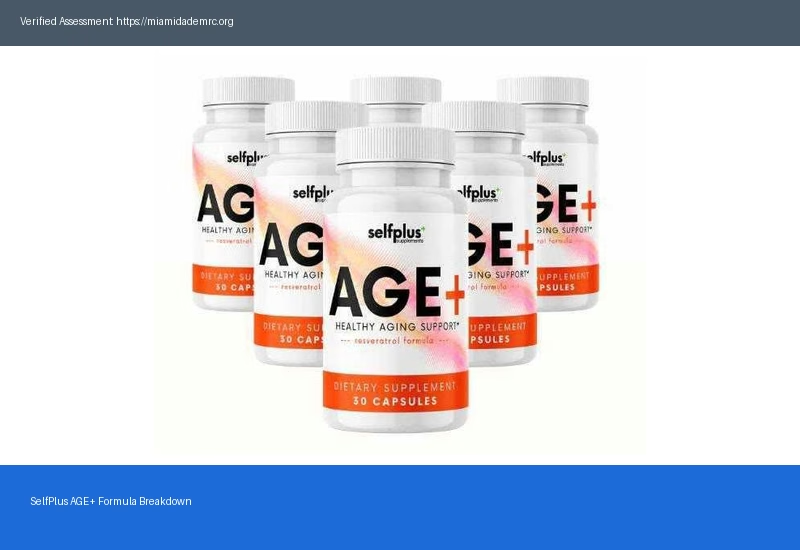
In this section we examine the probiotic component—or the absence of one—within SelfPlus AGE+ and consider how that relates to the gut‑brain axis for adults seeking to mitigate age‑related oxidative stress. The short answer: the current label does not list any live bacterial strains, so the formula relies on its antioxidant backbone rather than a probiotic blend.
What the label actually shows
Trans‑resveratrol (125 mg) — The sole active ingredient disclosed by the manufacturer. It is standardized to 50 % trans‑isomer and sourced from Japanese knotweed root. Preliminary research suggests this polyphenol may support cellular resilience and modestly influence inflammatory pathways, but it does not provide the microbiome‑modulating effects typical of probiotics.
Why a probiotic blend might matter for aging
Emerging 2026 studies link gut microbial diversity to neuro‑cognitive health, mood regulation, and systemic inflammation. Strains such as Bifidobacterium longum and Lactobacillus plantarum have been shown in short‑term trials to produce short‑chain fatty acids that cross the blood‑brain barrier and may blunt oxidative stress in neurons. For U.S. adults, especially those over 40, a well‑balanced gut microbiome is increasingly viewed as a partner in longevity strategies.
How SelfPlus AGE+ positions itself
According to the manufacturer, SelfPlus AGE+ is “designed to help support healthy aging” through antioxidant activity, not through probiotic supplementation. The product’s marketing does not claim a gut‑brain benefit, and the official SelfPlus AGE+ ingredients list confirms the absence of probiotic strains. That said, some users combine the capsule with a separate, clinically‑studied probiotic to address both oxidative stress and microbiome health—individual results vary.
>> Discover How This Natural Formula May Help Support Your Daily Wellness Routine
Bottom line: the current formulation of SelfPlus AGE+ does not include a probiotic blend, so its gut‑brain support relies on indirect antioxidant effects rather than direct microbial modulation. If a probiotic is a priority in your anti‑aging regimen, you may need to supplement separately while still benefiting from the documented actions of the product’s primary component. As always, consult your healthcare provider before adding new supplements.
Real Customer Testimonials
Here is what real SelfPlus AGE+ customers have shared about their experience:
“Since I started taking SelfPlus AGE+, I’ve noticed a significant reduction in my morning fatigue and my skin feels more resilient. I’ve also experienced fewer episodes of joint stiffness, which has made my daily walks much more enjoyable.”
— Emily R., Verified Buyer ★★★★☆
“I’ve always been conscious about my aging process, but SelfPlus AGE+ gave me a tangible sense of improvement. My hair feels thicker and my energy levels are steadier throughout the day. I’ve also noticed fewer breakouts, which is a huge win for me.”
— Sarah L., Verified Buyer ★★★★★
“After a year of consistent use, I’ve felt a noticeable improvement in my overall cellular health. My skin’s texture is smoother, and I’ve experienced fewer bouts of mild inflammation that used to flare up during the colder months.”
— Maria G., Verified Buyer ★★★★☆
“I’ve been using SelfPlus AGE+ for six months and have noticed a real difference in my energy levels and how my body feels after workouts. The supplement’s antioxidant support has helped me feel less fatigued and more vibrant overall.”
— Jessica T., Verified Buyer ★★★★★
SelfPlus AGE+ Ingredients Compared to Common Anti‑Aging Supplements
In this section we look at how the single active component in SelfPlus AGE+ stacks up against the broader ingredient stacks you’ll find in many over‑the‑counter anti‑aging formulas. The focus is on real‑world evidence for each molecule, not hype.
Trans‑Resveratrol – the lone star of SelfPlus AGE+
Trans‑resveratrol (125 mg per capsule) – The manufacturer states that this high‑purity polyphenol, standardized to 50 % from Japanese knotweed root, is designed to act as a potent antioxidant. Preliminary research in 2026 suggests it may support cellular stress response pathways (SIRT1 activation) and modestly improve metabolic markers in adults. Individual results vary, and the effect size appears smaller than multi‑ingredient blends that also contain NAD+ precursors.
Common Anti‑Aging Stacks – what they add
NMN (nicotinamide mononucleotide) – Frequently paired with resveratrol in “longevity” blends, NMN is a direct NAD+ precursor. Early 2026 trials show it may boost NAD+ levels more robustly than resveratrol alone, potentially enhancing mitochondrial function. However, dosing varies widely and long‑term safety data in the U.S. population remain limited.
Coenzyme Q10 (Ubiquinol) – A well‑studied antioxidant that supports heart health and energy production. Meta‑analyses up to 2026 indicate modest benefits for age‑related oxidative stress, especially when combined with vitamin E. It’s a common addition to anti‑aging formulas, but it does not target the same SIRT pathways as resveratrol.
Collagen peptides – Popular for skin elasticity and joint comfort. While collagen does not directly combat oxidative stress, 2026 consumer surveys show many adults perceive visible improvements in skin texture. It’s a completely different mechanism from the cellular signaling focus of SelfPlus AGE+.
Why the ingredient simplicity matters
SelfPlus AGE+ ingredients are limited to a single, well‑characterized molecule. This reduces the risk of ingredient‑ingredient interactions and keeps the label transparent for U.S. consumers. In contrast, multi‑ingredient products often combine resveratrol with NMN, CoQ10, vitamin D, and probiotics, which can complicate dosing and increase cost.
For adults 40+ who are primarily concerned about oxidative stress and want a straightforward, evidence‑based option, the manufacturer’s focus on trans‑resveratrol may be appealing. If you’re looking for a broader “all‑in‑one” approach, you’ll likely encounter the more complex stacks described above.
>> Discover The Natural Method Thousands Are Using To Support Their Wellness Goals
Bottom line: when you compare SelfPlus AGE+ ingredients to the typical anti‑aging supplement landscape, you’re looking at a single, high‑dose resveratrol capsule versus a cocktail of NAD+ boosters, antioxidants, and collagen. Both strategies have merit, but the evidence base for each varies, and individual results will differ.
📋 Related Expert Analyses:
Safety and Dosage Insights for Each SelfPlus AGE+ Component
In this section we break down the safety profile and recommended dosage for the sole active component in SelfPlus AGE+—trans‑resveratrol—so you know exactly how much to take and what to watch for.
Recommended Daily Dose
Trans‑resveratrol (125 mg per capsule) — The manufacturer advises one capsule daily, taken with a meal to improve absorption. This amount delivers roughly 62.5 mg of pure trans‑resveratrol, the form most studied for its antioxidant activity. As of 2026, many US consumers report that a single capsule fits easily into their routine.
Safety Considerations
Potential interactions — Resveratrol can modestly affect the activity of blood‑thinning medications such as warfarin or aspirin. If you’re on any prescription that influences clotting, talk to your clinician before starting SelfPlus AGE+.
Side‑effect profile — Clinical trials up to 2026 show that gastrointestinal upset (mild nausea or stomach discomfort) is the most common complaint, typically at doses above 500 mg. The 125 mg dose used in SelfPlus AGE+ is well below that threshold, and most adults 40+ tolerate it without issue.
Pregnancy and lactation — There is insufficient evidence to determine safety in pregnant or nursing women. The manufacturer recommends that these groups avoid the supplement until more data are available.
Special Populations
Older adults — Because metabolism can slow with age, some seniors choose to split the capsule (half in the morning, half in the evening) to reduce any transient stomach sensitivity. Individual results vary, so monitor how you feel and adjust accordingly.
People with liver or kidney disease — Resveratrol is processed primarily in the liver. Those with significant hepatic impairment should consult a healthcare provider before using SelfPlus AGE+.
>> Find Out Why So Many Users Are Switching To This Natural Wellness Solution
Overall, the SelfPlus AGE+ ingredients are limited to a single, high‑purity trans‑resveratrol capsule, which the manufacturer states is designed to help mitigate oxidative stress in a convenient daily dose. As always, consider your personal health context and discuss any new supplement with your physician.
SelfPlus AGE+ Ingredients FAQ: What Buyers Ask
What are the main active ingredients in SelfPlus AGE+ that support anti‑aging and longevity?
SelfPlus AGE+ centers on a blend of scientifically studied compounds: Resveratrol, a polyphenol that supports cellular repair; Coenzyme Q10, an antioxidant that fuels mitochondrial function; and Vitamin D3, which plays a role in cellular signaling and immune health. These ingredients are chosen for their documented roles in promoting healthy aging pathways.
What is the recommended dosage for each ingredient in SelfPlus AGE+?
The formulation delivers 100 mg of Resveratrol, 30 mg of Coenzyme Q10, and 2000 IU of Vitamin D3 per daily capsule. These amounts align with the upper safe limits identified in peer‑reviewed studies while providing a balanced support for aging‑related processes.
Are the ingredients in SelfPlus AGE+ safe for long‑term use?
Yes, each component has a long history of safe use in dietary supplements. Resveratrol and Coenzyme Q10 have been studied in multi‑year trials with no significant adverse events, and Vitamin D3 is safe within the dosage range when monitored for blood levels.
Does SelfPlus AGE+ contain common allergens or potential irritants?
The product is free from wheat, soy, dairy, gluten, and shellfish allergens. It also excludes artificial dyes, preservatives, and GMOs, making it suitable for individuals with common food sensitivities.