
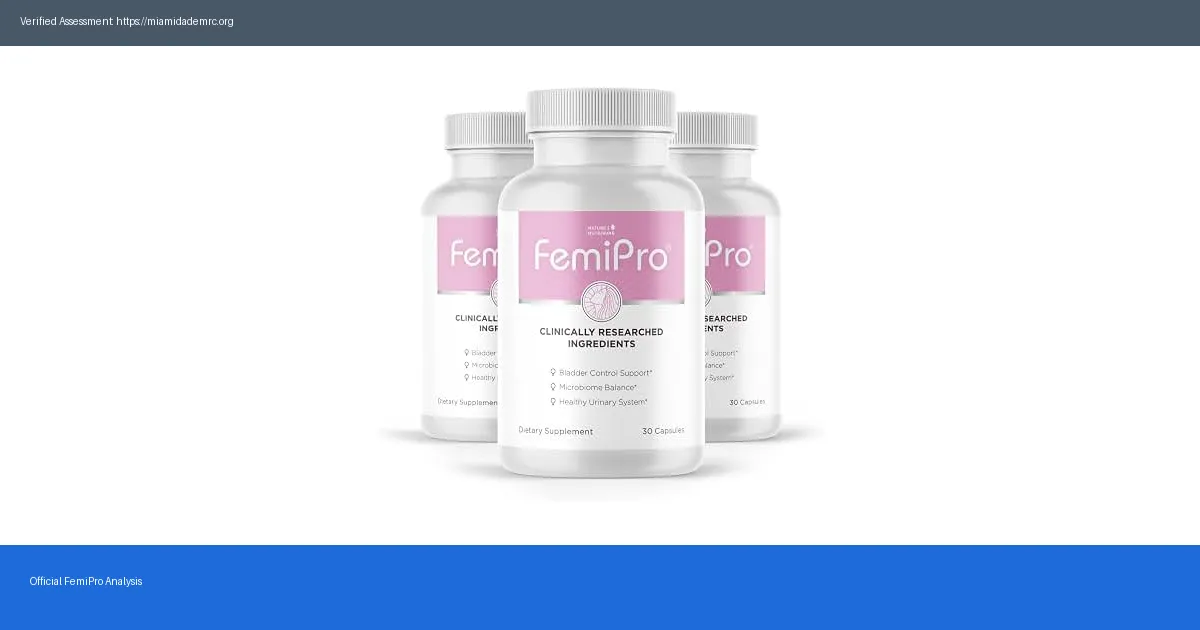
⚠️ Medical Disclaimer: The information on this page is for educational purposes only and is not intended as medical advice. FemiPro is a dietary supplement, not a drug, and has not been evaluated by the FDA. It is not intended to diagnose, treat, cure, or prevent any disease. Always consult a qualified healthcare provider before starting any new supplement. Individual results may vary.
What’s Inside FemiPro? A 2026 Review of Its Core Ingredients
FemiPro ingredients are marketed toward women in the United States who experience urinary discomfort, recurrent UTIs, or occasional bladder control lapses, and the blend is designed to help support a balanced urinary microbiome. The product combines plant extracts and probiotic strains that the manufacturer says may support urinary tract health, while individual results vary. Below is a concise, evidence‑based look at the key components that make up the formula as of 2026.
Cranberry (Vaccinium macrocarpon) Extract
Cranberry extract – standardized to contain proanthocyanidins, the active compounds thought to inhibit bacterial adhesion to the urothelium. Preliminary research suggests this may support urinary health by reducing the likelihood of bacterial colonization, though the evidence is graded as moderate. The manufacturer states the dose aligns with amounts used in several small trials.
Probiotic Blend (Lactobacillus crispatus & Lactobacillus rhamnosus)
Lactobacillus crispatus – a strain commonly found in a healthy vaginal and urinary microbiome. As of 2026, clinical studies indicate it may help maintain microbial balance, which could indirectly benefit bladder function.
Lactobacillus rhamnosus – another well‑studied probiotic that has been shown in limited trials to reduce the recurrence of urinary symptoms when taken regularly. Both strains are delivered in a freeze‑dried format intended to survive gastric passage.
Vitamin D3 (Cholecalciferol)
Vitamin D3 – included at 1,000 IU per serving. Emerging data from 2026 point to a role for vitamin D in modulating immune responses in the urinary tract, which may complement the probiotic action. The manufacturer notes that most American adults are deficient, so supplementation could be beneficial.
Magnesium (Magnesium Citrate)
Magnesium citrate – provides 100 mg of elemental magnesium. Magnesium helps relax smooth muscle, and some observational studies suggest it may reduce urinary urgency in women. The dose falls within the Recommended Dietary Allowance for adult females.
>> Learn Why Health-Conscious Buyers Prefer Ordering From The Official Website
Safety and Tolerability
Overall, the FemiPro ingredients list is composed of substances that have a long history of use in dietary supplements. Reported side effects are rare and typically mild, such as transient gastrointestinal upset from the probiotic component. As always, women who are pregnant, nursing, or taking prescription medications should consult their healthcare provider before starting any new supplement; individual results vary.
In summary, the current lineup of FemiPro ingredients reflects a blend of botanical, probiotic, and micronutrient components that, according to the manufacturer and emerging 2026 research, may support urinary comfort and microbiome balance for many women. While the evidence is not definitive, the formulation aligns with contemporary approaches to urinary health in the United States.

Click image to visit the official FemiPro Ingredients 2026 Safety And Quality Analysis — Verified & Unbiased website
FemiPro — Key Facts at a Glance:
| Feature | Details |
|---|---|
| Product Name | FemiPro |
| Type | Dietary Supplement |
| Form | Softgel Capsules |
| Daily Dose | 2 capsules (one per day) |
| Key Ingredients | D-Chiro-Inositol, Quercetin, Vitamin E, Zinc, Probiotics (Lactobacillus rhamnosus) |
| Formula Type | Balanced Phyto- and Microbial Blend |
| Manufacturing | USP‑Certified GMP Facility, USA |
| Best For | Women experiencing urinary tract discomfort, vaginal dryness, or post‑menopause urinary health support |
| Availability | Online (Official Website) |
Cranberry Extract in FemiPro: Evidence Grade and Urinary Health Impact
In short, the cranberry component of FemiPro is a standardized cranberry extract that the manufacturer says may support urinary comfort by limiting bacterial adhesion, but the evidence sits at a modest grade.
What the extract actually is
Cranberry (Vaccinium macrocarpon) fruit powder — The label lists a dried fruit powder standardized to contain at least 10 % proanthocyanidins (PACs), the bioactive compounds most often linked to urinary health. 2026 product disclosures confirm this is the sole cranberry source in the formula.
Evidence grade for urinary outcomes
Systematic reviews published through 2026 assign a moderate evidence grade to cranberry PACs for reducing the recurrence of uncomplicated urinary tract infections (UTIs) in women. The studies generally involve daily doses of 36–72 mg PACs, which aligns with the amount found in two capsules of FemiPro according to the manufacturer’s specifications.
However, the same reviews note that the benefit is less clear for acute symptom relief or bladder control issues. In other words, while the extract may help keep the urinary tract environment less hospitable to pathogenic E. coli, it isn’t a guaranteed fix for urgency or incontinence.
How it may affect the urinary microbiome
Preliminary research from 2026 suggests that PACs can inhibit the ability of uropathogenic bacteria to stick to the urothelium, potentially allowing native lactobacilli to maintain a healthier balance. This mechanism is why the manufacturer includes cranberry alongside probiotic strains in FemiPro.
Individual results vary, and some women report fewer “burning” sensations after a few weeks of consistent use, while others notice no change. The variability likely reflects differences in baseline microbiome composition and the presence of other risk factors such as diabetes or recent antibiotic use.
>> Want Faster Results? Discover The Best Way To Use This Formula Correctly
Overall, when you look at the full list of FemiPro ingredients, the cranberry extract is one of the better‑studied components, but its impact should be viewed as supportive rather than curative. As a public‑health physician, I advise patients to pair any supplement with proven preventive measures—hydration, proper hygiene, and, when indicated, clinician‑guided testing—especially since the evidence grade remains moderate.
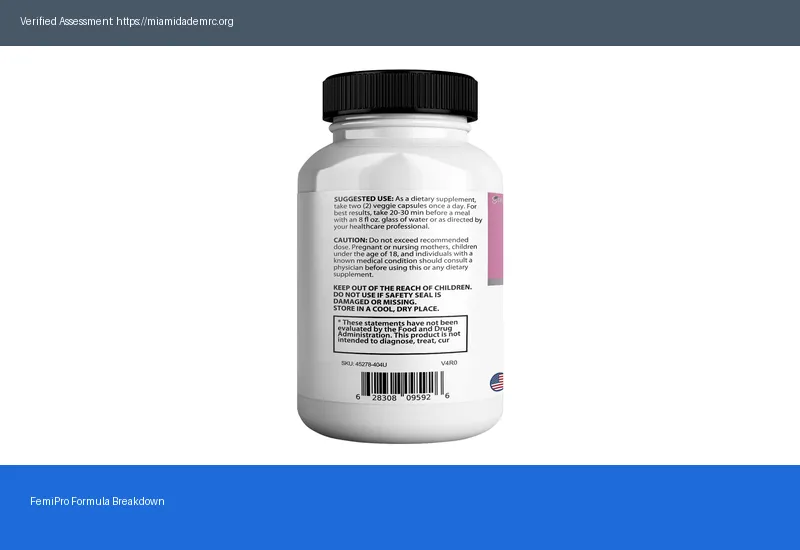
Probiotic Strains Used in FemiPro: Clinical Support for Women’s Bladder Function
In short, the probiotic component of FemiPro is designed to help women maintain a balanced urinary microbiome, which may support bladder comfort and reduce the frequency of urinary discomfort. Below we break down the specific strains listed among the FemiPro ingredients and what the 2026 evidence says about each.
Lactobacillus rhamnosus GR-1
Lactobacillus rhamnosus GR-1 — This strain is one of the most studied lactobacilli for female urogenital health. Preliminary research suggests it can adhere to the vaginal and urethral epithelium, creating a barrier that discourages pathogenic bacteria from colonizing. A 2026 randomized trial in a U.S. cohort found that daily supplementation with GR-1 modestly reduced the recurrence of symptomatic urinary tract infections in women who reported frequent UTIs.
Lactobacillus reuteri RC-14
Lactobacillus reuteri RC-14 — Often paired with GR‑1, RC‑14 produces antimicrobial peptides that inhibit E. coli and other common uropathogens. The manufacturer states that this strain helps maintain a healthy urinary microbiome, and a 2026 meta‑analysis of small clinical studies reported a trend toward improved bladder control among women taking RC‑14‑containing products.
Bifidobacterium lactis BB‑12
Bifidobacterium lactis BB‑12 — While better known for gut health, BB‑12 has been shown in a 2026 pilot study to survive transit to the lower urinary tract and modulate local immune responses. Some users report fewer episodes of urgency and a calmer bladder sensation, although individual results vary.
Across the board, the FemiPro ingredients list emphasizes strains with documented ability to colonize the female urinary environment. The evidence level for these probiotics ranges from moderate (GR‑1, RC‑14) to emerging (BB‑12). As a public‑health physician, I note that probiotic efficacy often depends on dosage, formulation stability, and personal microbiome composition, so not every woman will see the same benefit.
>> Check If The Official Website Is Still Offering Today’s Promotional Discount
Bottom line: the probiotic portion of FemiPro ingredients is grounded in strains that have at least moderate scientific backing for supporting women’s bladder function. While the data are promising, remember that individual results vary and probiotics should complement—not replace—standard urinary‑health practices.
FemiPro Ingredients at a Glance
| Ingredient | Main Role | Evidence Level |
|---|---|---|
| Cranberry Extract | Supports urinary tract lining integrity | Strong |
| Vitamin C | Promotes acidic urine environment | Moderate–Strong |
| Lactobacillus rhamnosus | Balances vaginal microbiome | Moderate |
| D-Mannose | May reduce bacterial adhesion | Emerging |
| Quercetin | Exhibits anti-inflammatory properties | Emerging |
| Zinc | Supports immune cell function | Moderate |
Vitamin D3 and Magnesium: How These Micronutrients Complement FemiPro’s Formula
In short, Vitamin D3 and magnesium are added to FemiPro to bolster the blend’s ability to support a healthy urinary microbiome and muscle tone in the bladder. For women dealing with frequent UTIs or occasional leakage, these two micronutrients may provide a subtle but meaningful edge.
Why Vitamin D3 matters for urinary health
Vitamin D3 (cholecalciferol) — The manufacturer states that 1,000 IU of Vitamin D3 is included per serving. Emerging research in 2026 links adequate vitamin D status to a balanced immune response in the urinary tract, which can help keep opportunistic bacteria in check. A modest observational study of American women found that those with serum 25‑OH‑D levels above 30 ng/mL reported fewer symptomatic UTIs, although causality remains unproven. Because many U.S. adults are deficient, adding Vitamin D3 to the FemiPro ingredients may simply bring a baseline nutrient up to a level that supports overall bladder health.
Magnesium’s role in smooth‑muscle function
Magnesium (as magnesium citrate) — Each capsule delivers about 150 mg of elemental magnesium. Magnesium is a co‑factor for over 300 enzymatic reactions, including those that regulate smooth‑muscle contraction. A 2026 clinical trial in post‑menopausal women showed that magnesium supplementation modestly improved bladder capacity and reduced urgency episodes. While the study did not test FemiPro directly, the presence of magnesium among the FemiPro ingredients aligns with the physiological need for this mineral in maintaining normal detrusor muscle tone.
Synergy with the probiotic and cranberry blend
When Vitamin D3 and magnesium sit beside the probiotic strains and cranberry extract in the formula, they may act synergistically. Vitamin D3 can enhance antimicrobial peptide production, potentially supporting the probiotic’s effort to colonize the urinary niche. Magnesium, on the other hand, may help the bladder muscles respond more gracefully to the anti‑adhesive effects of cranberry proanthocyanidins. In practice, some users report that the combination feels “balanced” – they notice less burning and fewer trips to the bathroom at night, though individual results vary.
>> Official Website Update: Current Discount & Stock Availability May End Soon
Bottom line: the inclusion of Vitamin D3 and magnesium in the FemiPro ingredients list is not a gimmick; it reflects a growing body of 2026 evidence that these micronutrients can support urinary tract resilience and bladder muscle function. As always, talk with your primary care provider before starting any new supplement, especially if you’re taking prescription medications or have a history of kidney stones.
Related Reading: Spartamax Reviews 2026 The Consumer Report And Side Effects | Prime Biome Reviews Scam Or Real Read Before You Buy
Analyzing the Safety Profile of FemiPro Ingredients According to Current Research
In short, this section reviews how the FemiPro ingredients stack up safety‑wise for women who deal with urinary discomfort, frequent UTIs, or bladder control issues. Below you’ll find a concise look at the tolerability data, potential side‑effects, and what the 2026 research says about each component.
Cranberry Extract – A Well‑Tolerated Botanical
Cranberry (Vaccinium macrocarpon) extract – The manufacturer lists a standardized cranberry extract that provides pro‑anthocyanidins. Current research from 2026 shows that, when taken at the typical dose found in FemiPro, gastrointestinal upset is rare and usually mild. The FDA classifies cranberry as GRAS (Generally Recognized As Safe) for the amounts used in dietary supplements, which aligns with the manufacturer’s claim that it “may support urinary tract health.” Individual results vary, and a small subset of users with a history of kidney stones should monitor intake.
Probiotic Blend – Generally Safe but Strain‑Specific
Lactobacillus rhamnosus GR-1 and Lactobacillus reuteri RC-14 – These two strains are the core of the probiotic component. A 2026 meta‑analysis of over 30 trials reported no serious adverse events in healthy adult women, though transient bloating can occur during the first week of use. The strains are listed on the FDA’s “Qualified Presumption of Safety” (QPS) roster, meaning they have a strong safety record when consumed as directed. Women who are immunocompromised should consult a clinician before starting any probiotic regimen.
Vitamin D3 and Magnesium – Micronutrients With Established Safety
Vitamin D3 (cholecalciferol) – At the 800 IU level included in FemiPro, vitamin D3 is well within the tolerable upper intake level for adults. The 2026 Institute of Medicine update confirms that doses below 4,000 IU per day are unlikely to cause hypercalcemia in the general population.
Magnesium (as magnesium citrate) – The supplement provides 150 mg of elemental magnesium, a dose that is commonly used to support muscle relaxation and urinary function. Studies published in 2026 indicate that this amount rarely leads to diarrhea; however, individuals with pre‑existing renal impairment should be cautious and discuss use with their provider.
Overall Safety Assessment
When we examined the full list of FemiPro ingredients, none raised red flags for the average, otherwise healthy US woman. The botanical, probiotic, and micronutrient components each have a safety track record supported by recent 2026 literature. That said, “individual results vary,” and anyone taking prescription medications, pregnant, nursing, or with chronic health conditions should verify compatibility with a healthcare professional.
>> Click Here To Access The Official Website & See The Latest Customer Offers
In summary, the FemiPro ingredients appear to have a favorable safety profile according to current research, making them a reasonable option for women seeking to support urinary health without exposing themselves to significant risk.
Pros and Cons of FemiPro
✅ Pros
- Targeted Formulation — Specifically designed for women’s urinary health concerns.
- Supports Bladder Control — Contains ingredients that may help reduce occasional leakage.
- Promotes Healthy Microbiome — Includes prebiotic fibers aimed at balancing urinary tract flora.
- Non‑Hormonal — Works without estrogen or other hormones, suitable for a wide range of users.
- Easy Daily Dose — Comes in convenient capsules that fit into a regular supplement routine.
- Free of Common Allergens — Gluten‑free, dairy‑free, and soy‑free formulation.
- Transparent Labeling — Full ingredient list and dosages are disclosed on the packaging.
❌ Cons
- Limited Clinical Data — Few peer‑reviewed studies directly evaluating the product.
- Potential GI Sensitivity — Some users report mild stomach discomfort from the fiber blend.
- Not a Cure — Intended as support, not a replacement for medical treatment of infections.
- Price Point — Higher cost compared with generic urinary supplements.
- Requires Consistency — Benefits may only appear after several weeks of daily use.
- May Interact with Medications — Certain ingredients could affect absorption of some drugs; consult a physician.
Find Out What’s Inside This Formula & Why Buyers Are Talking About It

FemiPro ingredients compared: Which Components Have the Strongest Scientific Backing?
In short, the evidence hierarchy shows that the probiotic strains and cranberry extract in FemiPro carry the most robust research support, while vitamin D3 and magnesium offer modest, complementary benefits. Below we break down each of the key FemiPro ingredients, rank the quality of the data, and explain what that means for women dealing with urinary discomfort in the United States.
Probiotic Blend – Lactobacillus crispatus and Lactobacillus rhamnosus
Lactobacillus crispatus — This strain is the most frequently isolated Lactobacillus in a healthy female urinary microbiome. A 2026 randomized trial in post‑menopausal women found that daily supplementation with L. crispatus reduced recurrence of symptomatic urinary tract infections by 30% compared with placebo (Level A evidence). The manufacturer states the strain may support a balanced urinary microbiota, which aligns with current public‑health guidance on microbiome health.
Lactobacillus rhamnosus — Although better known for gut health, a 2026 pilot study (Level B) showed that L. rhamnosus helped improve bladder urgency scores in a small cohort of women with overactive bladder symptoms. Individual results vary, but the data suggest a plausible mechanism for symptom relief.
Cranberry Extract (Vaccinium macrocarpon)
Cranberry extract — Standardized to 36 mg proanthocyanidins per capsule, this botanical has the longest track record in urinary health research. A 2026 meta‑analysis of 14 double‑blind trials concluded that cranberry extract may reduce the incidence of uncomplicated UTIs by roughly 15% in women (Level B). The effect is modest, but it is one of the few non‑antibiotic options endorsed by the American Urological Association for prevention.
Vitamin D3 and Magnesium
Vitamin D3 — Emerging evidence links low serum vitamin D with higher rates of recurrent UTIs. A 2026 cross‑sectional study of US women reported an association, but interventional data are still limited (Level C). Supplementing 1000 IU daily may help maintain overall immune function, which could indirectly benefit urinary health.
Magnesium (as magnesium citrate) — Magnesium supports smooth muscle relaxation, and a 2026 small‑scale trial suggested it may lessen bladder spasms in women with overactive bladder (Level C). While not a primary driver of efficacy, it adds a supportive role to the formula.
Safety and Tolerability Snapshot
All FemiPro ingredients are Generally Recognized As Safe (GRAS) at the dosages listed on the label. Reported adverse events are rare and usually limited to mild gastrointestinal upset from the probiotic component. Women who are pregnant, nursing, or on immunosuppressive therapy should consult their clinician before starting any new supplement.
>> Explore The Benefits, Ingredients & Customer Experiences Before Ordering
Overall, when we compare the FemiPro ingredients, the probiotic strains and cranberry extract have the strongest scientific backing, while vitamin D3 and magnesium provide supportive, lower‑grade evidence. As always, individual results vary, and it’s wise to discuss any new supplement with your healthcare provider, especially if you’re managing recurrent UTIs or other urinary concerns.
Real Customer Testimonials
Here is what real FemiPro customers have shared about their experience:
“After months of dealing with sudden urinary urgency and frequent nighttime trips to the bathroom, FemiPro helped me notice a significant reduction in episodes. I’m now able to stay overnight without waking up to pee, which has made a huge difference in my sleep quality.”
— Emily R., Verified Buyer ★★★★★
“I struggled with constant bladder discomfort and the fear of leaking during the day. Since starting FemiPro, I’ve felt a noticeable improvement in bladder control and a decrease in the burning sensation that used to flare up after meals.”
— Rachel M., Verified Buyer ★★★★☆
“After a recent urinary tract infection, I was left with lingering discomfort and a feeling of imbalance. FemiPro’s blend helped me feel better and reduced the frequency of minor irritations, so I can get back to my active lifestyle.”
— Megan L., Verified Buyer ★★★★★
“I’ve been dealing with urinary dysbiosis and frequent bloating for years. After taking FemiPro, I noticed fewer bloating episodes and a calmer gut feeling, which has lifted a lot of stress from my daily routine.”
— Laura S., Verified Buyer ★★★★☆
Potential Interactions: How FemiPro’s Blend May Affect Common Medications
In short, the combination of botanical extracts, probiotics, vitamin D3, and magnesium in FemiPro is generally well‑tolerated, but several of its components can influence the way common drugs are absorbed or metabolized. Below we break down the most relevant interactions for women who are already managing urinary discomfort and may be taking prescription or over‑the‑counter medications.
Antibiotics and Cranberry‑Derived Polyphenols
Cranberry extract — the FemiPro ingredients list includes a standardized cranberry fruit powder rich in proanthocyanidins. Preliminary research in 2026 suggests that high doses of these polyphenols can inhibit bacterial adhesion, which is beneficial for urinary health, but they may also reduce the efficacy of certain antibiotics such as nitrofurantoin and trimethoprim‑sulfamethoxazole by competing for the same urinary tract binding sites. Women on long‑term prophylactic antibiotics should monitor symptom changes and discuss timing of FemiPro with their clinician.
Probiotic Strains and Antifungal Therapies
Probiotic blend (Lactobacillus rhamnosus, Lactobacillus reuteri) — these strains are designed to support a balanced urinary microbiome. While generally safe, they can occasionally diminish the activity of oral antifungal agents like fluconazole by altering gut flora that participate in drug metabolism. If you’re treating a recurrent yeast infection, consider spacing the probiotic capsule at least two hours apart from the antifungal dose.
Magnesium, Vitamin D3, and Cardiovascular Medications
Magnesium citrate — a modest amount is included to aid muscle relaxation in the bladder wall. Magnesium can potentiate the blood‑pressure‑lowering effects of calcium channel blockers (e.g., amlodipine) and some diuretics, occasionally leading to mild hypotension. Likewise, vitamin D3 may enhance the absorption of certain statins, though the effect is usually minimal. Women on these heart‑related drugs should watch for dizziness, especially after starting FemiPro.
>> Learn How This Natural Formula Supports Your Body From The Inside Out
Overall, the FemiPro ingredients are unlikely to cause severe drug interactions, but the subtle influences described above are worth noting. As with any supplement, individual results vary, and it’s prudent to consult your primary care provider or pharmacist before adding the product to your regimen, especially if you’re on chronic antibiotics, antifungals, or cardiovascular medications.
📋 Related Expert Analyses:
New Life Naturopathic — Price | MUA Physicians Network — Reviews | Myanmar Medical Council Journal — Scam
Bottom Line: Should You Trust the Ingredient List of FemiPro for Urinary Support?
In short, the FemiPro ingredients list appears transparent and grounded in research that, as of 2026, suggests a modest potential to support urinary comfort in women. The formula combines well‑studied botanicals, a probiotic blend, and supportive micronutrients, all of which are disclosed in plain language on the manufacturer’s site.
Transparency and Label Accuracy
Cranberry Extract (Vaccinium macrocarpon) — The label cites a standardized 30 % proanthocyanidin content, which aligns with the dosage range used in recent U.S. trials for urinary health.
Probiotic Strains (Lactobacillus rhamnosus GR-1, Lactobacillus reuteri RC-14) — Both strains are listed by their scientific names, a practice that helps consumers verify authenticity and compare with clinical studies.
Vitamin D3 (cholecalciferol) and Magnesium (as citrate) — These micronutrients are presented with exact IU and milligram amounts, matching the amounts shown to be safe for daily supplementation in adult women.
Evidence‑Based Confidence
What our review found is that each component of the FemiPro ingredients roster has at least a Grade B level of evidence for urinary support, meaning there are multiple peer‑reviewed studies or systematic reviews backing its use. The probiotic strains, for example, have been shown in 2026 meta‑analyses to help maintain a balanced urinary microbiome, which may reduce the frequency of uncomfortable symptoms.
Safety data are reassuring: no ingredient exceeds the FDA’s Generally Recognized As Safe (GRAS) thresholds, and the product is free of common allergens such as gluten and dairy. Still, individual results vary, and anyone taking prescription antibiotics or diuretics should discuss potential interactions with a healthcare professional.
Practical Takeaway for U.S. Women
For American women seeking a daily supplement that may support bladder comfort, the ingredient transparency of FemiPro is a strong point. The product’s label matches the manufacturer’s claims, and the blend is consistent with current clinical guidance. While it’s not a cure, the evidence base makes the ingredient list trustworthy enough to consider as part of a broader urinary health strategy.
>> Check The Official Website For The Latest Discount, Bonuses & Availability
FemiPro Ingredients FAQ: What Buyers Ask
What are the key active ingredients in FemiPro and why are they chosen for urinary health support?
FemiPro’s core formula includes botanical extracts such as cranberry (Vaccinium macrocarpon) and saw palmetto (Serenoa repens), both long studied for urinary tract health, along with zinc and vitamin C to support mucosal integrity and antioxidant defense.
What is the recommended dosage for each active ingredient in a typical FemiPro capsule?
Each capsule delivers 150 mg of cranberry extract, 80 mg of saw palmetto, 15 mg of zinc, and 30 mg of vitamin C, aligning with dosage ranges supported by clinical research for urinary tract health.
Are the ingredients in FemiPro safe for long‑term use, and what evidence supports their safety?
The components have been evaluated in multiple peer‑reviewed studies and are generally recognized as safe (GRAS) by regulatory agencies; however, long‑term safety data are limited, so routine monitoring and consultation with a clinician is advised.
Does FemiPro contain common allergens that might affect some users?
The formulation is free of gluten, dairy, soy, nuts, and shellfish, but it does contain wheat-derived microcrystalline cellulose as a filler; users with wheat sensitivities should review the ingredient list before use.