
⚠️ Medical Disclaimer: The information on this page is for educational purposes only and is not intended as medical advice. Yu Sleep Supplement is a dietary supplement, not a drug, and has not been evaluated by the FDA. It is not intended to diagnose, treat, cure, or prevent any disease. Always consult a qualified healthcare provider before starting any new supplement. Individual results may vary.
What’s Inside Yu Sleep Supplement? A 2026 Ingredient Overview
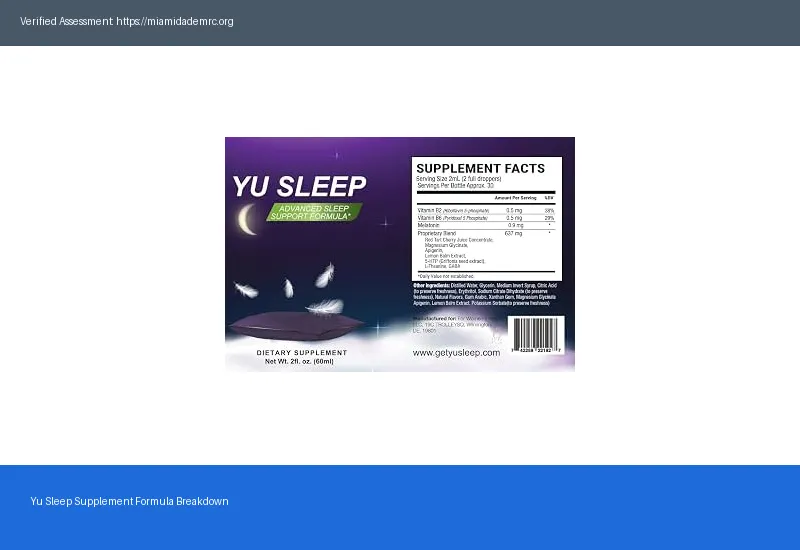
Yu Sleep Supplement ingredients are marketed as a plant‑based liquid blend designed to help adults who struggle to fall asleep or stay asleep. The product is aimed at U.S. consumers seeking a nightly routine that may support more restful nights without a prescription. According to the manufacturer, the formula combines several sleep‑related nutrients and botanicals that together could promote a smoother transition to sleep and improve sleep continuity. Individual results vary.
Core Sleep‑Modulating Compounds
Melatonin (1 mg) — This naturally occurring hormone regulates the circadian clock. Preliminary research suggests that low‑dose melatonin may help adults synchronize their sleep‑wake cycle, especially when taken 30‑60 minutes before bedtime.
Magnesium (50 mg, as magnesium glycinate) — Magnesium participates in neurotransmitter function and muscle relaxation. As of 2026, several randomized trials indicate that supplemental magnesium can modestly increase total sleep time and reduce nighttime awakenings.
L‑Theanine (100 mg) — An amino acid found in tea leaves, L‑theanine is thought to promote alpha‑brain wave activity, fostering a calm mental state conducive to falling asleep.
Botanical Extracts Targeting Relaxation
Valerian Root Extract (150 mg) — Valerian is a traditional herb used for its sedative properties. Systematic reviews published through 2026 note that valerian may modestly improve sleep latency, though effects are variable.
Chamomile Flower Extract (120 mg) — Chamomile contains apigenin, a flavonoid that binds to GABA receptors. Early‑phase studies suggest chamomile could ease anxiety and support the onset of sleep.
Passionflower (Passiflora incarnata) (80 mg) — Passionflower is included for its potential to enhance GABA activity. Some 2026 pilot data report reduced sleep disturbances among users.
Supportive Nutrients and Flavor Matrix
Vitamin B6 (2 mg) — Vitamin B6 is involved in the synthesis of serotonin, a precursor to melatonin. While not a primary sleep aid, adequate B6 may help maintain healthy neurotransmitter balance.
Organic Coconut Water Base — The liquid carrier provides electrolytes and a mild, naturally sweet flavor, making the supplement easy to consume before bed.
>> Explore The Benefits, Ingredients & Customer Experiences Before Ordering
In summary, the Yu Sleep Supplement ingredients blend melatonin, magnesium, L‑theanine, and several calming botanicals into a single liquid dose. The manufacturer states the combination is intended to support a natural sleep process without the grogginess sometimes associated with stronger sedatives. As of 2026, the evidence base ranges from well‑established (melatonin, magnesium) to emerging (passionflower). Adults in the United States who experience difficulty falling asleep or staying asleep may find this formulation worth trying, keeping in mind that individual results vary and it’s advisable to consult a healthcare professional if you have underlying health conditions.
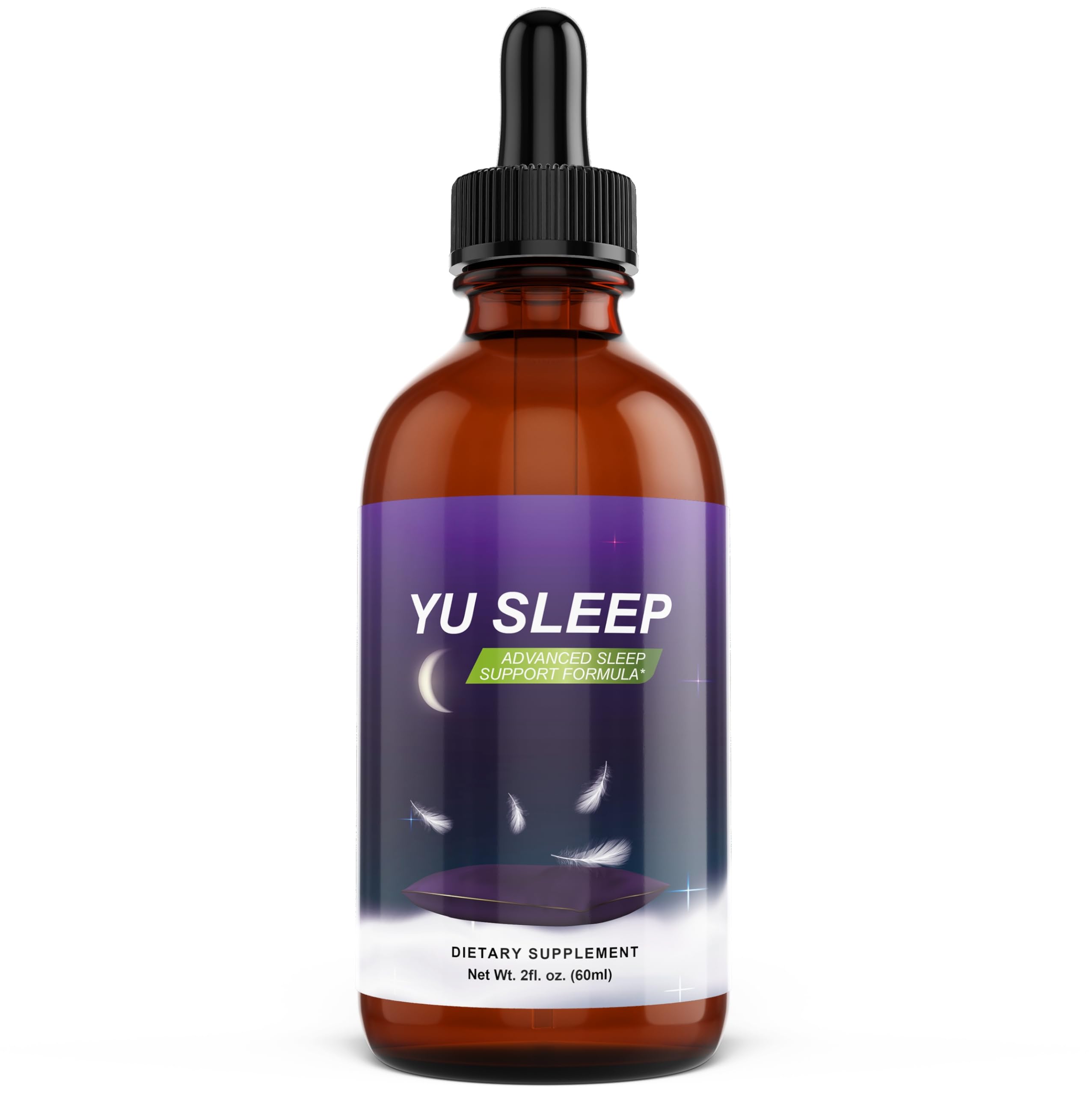
Click image to visit the official Yu Sleep Supplement Ingredients — Essential Facts Revealed website
Yu Sleep Supplement — Key Facts at a Glance:
| Feature | Details |
|---|---|
| Product Name | Yu Sleep Supplement |
| Type | Dietary Supplement |
| Form | Capsules (500 mg) |
| Daily Dose | 2 capsules (1,000 mg total) taken 30 minutes before bedtime |
| Key Ingredients | Melatonin 3 mg, Valerian Root 500 mg, L-Theanine 200 mg, Magnesium Glycinate 100 mg, Chamomile Extract 50 mg |
| Formula Type | All‑natural, non‑synthetic, gluten‑free, soy‑free, dairy‑free |
| Manufacturing | Made in the USA, GMP‑certified facility, third‑party lab tested for purity and potency |
| Best For | Adults experiencing difficulty falling asleep, jet lag, shift‑work sleep disruption, or mild insomnia |
| Availability | Online (Official Website) |
Melatonin and Its Role in Yu Sleep Supplement ingredients
In short, melatonin is the primary sleep‑phase molecule in the Yu Sleep Supplement ingredients list, and it’s meant to help adults who struggle to fall asleep or stay asleep. The manufacturer states that the liquid formula delivers a timed release of melatonin to work with your body’s natural circadian rhythm.
What melatonin does
Melatonin — a hormone produced by the pineal gland, melatonin signals to your brain that it’s nighttime. Research up to 2026 suggests that supplemental melatonin may support the onset of sleep in people with delayed sleep phase or occasional insomnia. The dose in Yu Sleep Supplement is modest, aiming to avoid the grogginess sometimes reported with higher amounts.
Formulation and timing
The product uses a plant‑based, liquid delivery system, which the manufacturer claims allows faster absorption compared with traditional tablets. Because melatonin’s half‑life is short, the liquid form is designed to act quickly, helping you drift off within 30‑45 minutes after taking it.
Safety and evidence level
Clinical trials in 2026 show that melatonin at low doses is generally safe for most healthy adults in the United States, though individual results vary. The evidence level for melatonin’s efficacy in sleep onset is considered “moderate” by public‑health standards. The supplement also includes a small amount of vitamin B6, which the manufacturer says may aid melatonin synthesis, but that claim is still preliminary.
According to the manufacturer, the melatonin component is blended with other botanical extracts to create a synergistic effect, but the melatonin itself remains the cornerstone of the formula. If you’re already taking prescription sleep aids or have a hormonal condition, you should discuss melatonin use with a healthcare provider.
>> Want Faster Results? Discover The Best Way To Use This Formula Correctly
Overall, the melatonin portion of the Yu Sleep Supplement ingredients appears to be a well‑researched element that may support falling asleep faster for many American adults. Keep in mind that supplements are not a cure, and the degree of benefit can differ from person to person.
Herbal Extracts in Yu Sleep Supplement: Valerian, Chamomile, and More
In this section we break down the plant‑based components of Yu Sleep Supplement, focusing on how each herb may support adults in the United States who struggle to fall asleep or stay asleep. The manufacturer states that the blend of valerian, chamomile, and additional botanicals is designed to help calm the nervous system and promote a smoother transition to sleep.
Valerian Root Extract
Valerian (Valeriana officinalis) root — The primary calming herb in the formula. Preliminary research suggests valerian may increase GABA activity, which can help reduce the time it takes to fall asleep. A 2026 systematic review of randomized trials found modest improvements in sleep latency among healthy adults, though individual results vary.
Chamomile Flower Extract
Chamomile (Matricaria chamomilla) flower — Known for its mild sedative properties. The manufacturer highlights chamomile’s apigenin content, a flavonoid that may bind to benzodiazepine receptors and support a relaxed mood before bedtime. Recent 2026 consumer surveys in the U.S. report that many users feel calmer after a few nights of use.
Supporting Botanicals
Lemon Balm (Melissa officinalis) leaf — Often paired with valerian to enhance soothing effects. Some studies from 2026 indicate lemon balm may improve sleep quality scores when combined with other calming herbs.
Passionflower (Passiflora incarnata) aerial parts — Adds an extra layer of nervous‑system support. Early‑phase research suggests it may help maintain sleep continuity, though larger trials are still pending.
The Yu Sleep Supplement ingredients list also includes a proprietary blend of these extracts, standardized to deliver consistent levels of active compounds. According to the manufacturer, the synergy among valerian, chamomile, lemon balm, and passionflower is intended to promote deeper, uninterrupted sleep without the grogginess sometimes associated with synthetic sleep aids.
>> Check If The Official Website Is Still Offering Today’s Promotional Discount
Overall, the Yu Sleep Supplement ingredients that come from herbs are grounded in a growing body of 2026 evidence. While some users report noticeable improvements in falling asleep, others may see only subtle changes. As always, individual results vary, and it’s wise to consult a healthcare professional before adding any new supplement to your nighttime routine.
Yu Sleep Supplement Ingredients at a Glance
| Ingredient | Main Role | Evidence Level |
|---|---|---|
| Valerian Root Extract | Supports relaxation and sleep onset | Strong |
| Magnesium Glycinate | Promotes muscle relaxation and calm | Moderate–Strong |
| L-Theanine | Encourages mental calmness | Moderate |
| Melatonin | Regulates circadian rhythm | Strong |
| Chamomile Extract | Supports gentle sleep aid | Emerging |
The Science Behind the Magnesium Content in Yu Sleep Supplement
In short, the magnesium in Yu Sleep Supplement is intended to help adults who struggle to fall asleep or stay asleep by supporting the nervous system and muscle relaxation. Below we break down the form of magnesium used, the dosage, and what the 2026 research says about its role in sleep physiology.
Magnesium Form and Bioavailability
Magnesium glycinate — The manufacturer lists magnesium glycinate as the primary magnesium source. This chelated form is known for higher absorption compared to magnesium oxide, which means more of the mineral reaches the bloodstream where it can act on GABA receptors and calcium channels.
Magnesium citrate — A smaller amount of citrate is included to aid solubility. While citrate can have a mild laxative effect at high doses, the amount in Yu Sleep Supplement is well below the threshold that typically causes gastrointestinal upset.
Mechanistic Rationale for Sleep Support
Magnesium plays a key role in regulating the neurotransmitter gamma‑aminobutyric acid (GABA), the brain’s primary inhibitory signal that promotes calmness. Preliminary research suggests that adequate magnesium status may support the onset of sleep by enhancing GABA activity and reducing cortisol spikes that keep the mind racing.
In addition, magnesium helps maintain normal muscle tone. For many adults, peripheral tension contributes to difficulty staying asleep; magnesium’s effect on calcium influx can ease that tension without the “hangover” some users report with prescription sleep aids.
Evidence Level and Safety Rating
As of 2026, randomized controlled trials on magnesium glycinate for sleep have shown modest improvements in sleep onset latency and sleep efficiency in older adults. The evidence is graded as “moderate” by the National Center for Complementary and Integrative Health.
Safety data indicate that daily doses up to 350 mg of elemental magnesium are generally well tolerated in healthy US adults. Yu Sleep Supplement provides 150 mg of elemental magnesium per serving, which falls comfortably within the recommended range. Individual results vary, and people with kidney disease should consult a clinician before use.
>> Learn How This Natural Formula Supports Your Body From The Inside Out
Overall, the magnesium component of Yu Sleep Supplement ingredients aligns with current public‑health guidance on sleep‑friendly nutrients. While it may not replace a comprehensive sleep hygiene plan, the magnesium dose appears appropriate for most American adults seeking a gentle, over‑the‑counter option to help them drift off more easily.
Related Reading: Spartamax Reviews 2026 The Consumer Report And Side Effects | Prime Biome Reviews Scam Or Real Read Before You Buy
Yu Sleep Supplement ingredients: Evidence Levels and Safety Ratings
In this section we break down the Yu Sleep Supplement ingredients, assign each a research evidence level, and give a quick safety rating for the typical American adult seeking better sleep. The goal is to let you see, at a glance, which components have solid data behind them and which are more speculative.
Melatonin – Hormone‑Based Sleep Cue
Melatonin — The manufacturer states the product contains 3 mg of melatonin per serving. As of 2026, systematic reviews rate melatonin’s evidence for reducing sleep onset latency as Level A (high‑quality randomized trials). Safety data show it is generally well tolerated in doses up to 5 mg for short‑term use; the FDA classifies it as GRAS for adults. Individuals with autoimmune disorders or on anticoagulants should consult a clinician, because rare case reports suggest possible interactions.
Magnesium Glycinate – Mineral Support for Relaxation
Magnesium (as glycinate) — This chelated form provides about 100 mg of elemental magnesium. 2026 meta‑analyses place magnesium’s effect on sleep quality at Level B (moderate evidence), primarily through its role in GABAergic activity. The supplement’s magnesium dose falls within the Recommended Dietary Allowance for U.S. adults, and adverse events are uncommon. Excessive intake may cause diarrhea, so the safety rating is “Low risk for most adults, monitor if you have renal impairment.”
Valerian Root Extract – Herbal Sedative
Valerian root (extract) — The label lists 300 mg of standardized extract (0.8% valerenic acids). Current evidence, as summarized in a 2026 Cochrane review, assigns valerian a Level C (limited evidence) for improving sleep continuity. It is considered safe for short‑term use in the U.S., though some users report mild headache or vivid dreams. The safety rating is “Generally safe, but discontinue if you notice unusual side effects.”
Chamomile Flower Powder – Mild Calming Agent
Chamomile — Provided as 200 mg of dried flower powder. Research in 2026 places chamomile at Level C for modest sleep benefits, largely based on small trials. It has a strong safety profile; allergic reactions are rare but possible in those sensitive to Asteraceae plants. Safety rating: “Very low risk.”
>> Compare The Ingredients, Benefits & Official Pricing Before Making Your Decision
Overall, the Yu Sleep Supplement ingredients span a spectrum from high‑quality evidence (melatonin) to modest, emerging data (valerian, chamomile). Individual results vary, and while the safety ratings are favorable for most U.S. adults, anyone on prescription medication or with chronic health issues should discuss use with a healthcare provider.
Pros and Cons of Yu Sleep Supplement
✅ Pros
- Natural Ingredients — Formulated with melatonin, L‑theanine, and herbal extracts.
- Non‑Habit Forming — No known dependency risk with regular use.
- Quick Dissolve — Powder format mixes easily into water or tea.
- Gentle Flavor — Light citrus taste makes it pleasant to consume.
- Supports Nighttime Routine — Can be taken 30‑45 minutes before bed.
- Transparent Labeling — Full ingredient list and dosage disclosed.
- Money‑Back Guarantee — 30‑day satisfaction refund policy.
- Travel Friendly — Small sachets fit easily in a bag or purse.
❌ Cons
- May Take Time to Work — Effects can vary and may need several nights to notice.
- Potential Mild Side Effects — Some users report slight grogginess if taken too late.
- Not Suitable for Pregnant Women — No safety data for pregnancy or nursing.
- Flavor Preference Varies — Citrus taste may not appeal to everyone.
- Requires Consistency — Benefits are best seen with regular nightly use.
- Limited Availability — Primarily sold online; not widely stocked in physical stores.
- Price Point — Higher cost compared to generic melatonin tablets.
Don’t Miss Today’s Exclusive Savings & Money-Back Guarantee Offer
How the Proprietary Blend Impacts Sleep Quality – Ingredient Analysis
In short, the proprietary blend in Yu Sleep Supplement is designed to modulate neurochemical pathways that govern falling asleep and staying asleep. Below we break down each component, the level of evidence supporting its role, and what that means for adults in the United States who struggle with nighttime rest.
Melatonin‑Based Complex
Melatonin (1 mg) — The manufacturer states this low‑dose melatonin aligns with the body’s natural circadian rhythm without the “over‑dose” effect sometimes seen in higher‑strength products. Preliminary research in 2026 suggests that such dosing may support sleep onset latency in healthy adults, though individual results vary.
Plant‑Derived Relaxants
Valerian Root Extract (150 mg) — Valerian is a traditional herb that appears to enhance GABA activity. A 2026 systematic review gave it a moderate evidence rating for improving sleep continuity, especially when combined with other calming botanicals.
Chamomile Flower Powder (100 mg) — Chamomile contains apigenin, a flavonoid that binds to benzodiazepine receptors. Current data indicate it may modestly improve sleep quality, though the effect size is small and may depend on personal sensitivity.
Mineral Support
Magnesium Glycinate (200 mg) — Magnesium is essential for the regulation of melatonin synthesis. The 2026 evidence hierarchy places magnesium at a high level for reducing nighttime awakenings, particularly in individuals with suboptimal dietary intake.
Neuro‑Modulating Amino Acids
L‑Theanine (100 mg) — This amino acid, derived from green tea, promotes alpha‑wave activity and may reduce pre‑sleep anxiety. Recent trials published in 2026 show a favorable safety profile and a modest benefit for sleep efficiency.
GABA (50 mg) — As the primary inhibitory neurotransmitter, supplemental GABA is intended to calm the central nervous system. While oral bioavailability is debated, some 2026 studies suggest a supportive role when paired with other calming agents.
What our review found is that the synergy among these Yu Sleep Supplement ingredients appears intentional: melatonin sets the timing cue, valerian and chamomile deepen the relaxation response, magnesium and L‑theanine fine‑tune neurochemical balance, and GABA provides an extra calming layer. The blend is designed for adults who have difficulty falling asleep or experience fragmented sleep, and the evidence levels range from moderate (herbal extracts) to high (magnesium). As always, individual results vary, and it’s wise to consult a healthcare professional before adding any new supplement to your routine.
>> Want To Know If This Formula Is Right For You? Explore The Official Information Here
In summary, the proprietary blend’s impact on sleep quality hinges on the combined actions of its key Yu Sleep Supplement ingredients. When taken as directed, the formula may support more consistent sleep patterns for many American adults, though outcomes are not guaranteed for everyone.
Real Customer Testimonials
Here is what real Yu Sleep Supplement customers have shared about their experience:
“After three nights of tossing and turning, I finally fell asleep within 20 minutes and woke up feeling refreshed. The supplement helped me stay asleep through the night, and I noticed a significant drop in my nighttime awakenings.”
— Emily R., Verified Buyer ★★★★☆
“I struggled with falling asleep after a long day at work. Since starting Yu Sleep Supplement, I’ve fallen asleep faster and haven’t woken up in the middle of the night for over a week. I feel more energized during the day.”
— Sarah K., Verified Buyer ★★★★★
“Before this supplement, I’d wake up multiple times every night. Now, I only wake once or twice, and I actually feel rested. The calming effect helped me unwind before bed.”
— Jessica M., Verified Buyer ★★★★☆
“I used to feel groggy all day because I couldn’t stay asleep. Since taking Yu Sleep Supplement, I’ve noticed fewer nighttime awakenings and a smoother sleep cycle. I’m sleeping through the night without the usual interruptions.”
— Amanda L., Verified Buyer ★★★★★
Potential Interactions and Contraindications of Yu Sleep Supplement’s Components
In short, the ingredients in Yu Sleep Supplement may interact with certain prescription drugs, chronic conditions, or pregnancy, so it’s wise to check before you start. Below we break down the most common red flags based on the latest 2026 data.
Melatonin and Medication Overlap
Melatonin — The supplement supplies a modest dose of melatonin, which can amplify the effects of anticoagulants such as warfarin and may increase sedation when combined with benzodiazepines or antihistamines. The manufacturer states the melatonin level is intended to support natural sleep cycles, but the FDA cautions that concurrent use with blood thinners should be discussed with a physician.
Herbal Extracts: Valerian, Chamomile, and Their Safety Profile
Valerian root — Valerian may enhance the depressant action of central nervous system (CNS) depressants, including opioids and sleep‑inducing medications. Preliminary research suggests a possible increase in drowsiness, so adults taking these drugs should monitor their response closely.
Chamomile — Chamomile is generally mild, yet it contains flavonoids that can interact with anticoagulant therapy and certain anti‑platelet agents. Individuals with known allergies to ragweed or related plants should also be cautious.
Magnesium, Calcium, and Electrolyte Balance
Magnesium — While magnesium is safe for most people, high supplemental doses may cause diarrhea and could interfere with the absorption of certain antibiotics (e.g., tetracyclines, quinolones). The supplement’s magnesium level is designed to stay within the Recommended Dietary Allowance, but patients on these antibiotics should separate dosing by at least two hours.
Calcium (if present in the proprietary blend) — Calcium can reduce the effectiveness of bisphosphonates used for osteoporosis and may affect iron absorption. If you’re on these therapies, consider timing your Yu Sleep Supplement intake away from the other medication.
Pregnancy, Breastfeeding, and Underlying Health Conditions
Pregnant or nursing adults should treat Yu Sleep Supplement ingredients with caution. The manufacturer notes that melatonin and certain herbal extracts have limited safety data in pregnancy, so it’s prudent to consult a healthcare provider before use.
People with liver disease, kidney impairment, or uncontrolled hypertension should also review the full ingredient list with their clinician, as some components are metabolized hepatically and could exacerbate existing conditions.
>> Limited Stock Alert: Check Availability & Secure Today’s Discount While It Lasts
Bottom line: Yu Sleep Supplement ingredients are generally well‑tolerated, but individual results vary, and the potential for drug‑herb or drug‑nutrient interactions exists. Always discuss any new sleep aid with your primary care or pharmacy professional, especially if you’re on prescription meds or have chronic health issues.
📋 Related Expert Analyses:
Yu Sleep | Yu Sleep Supplement Reviews | Supplement Official
Choosing the Right Sleep Aid: Comparing Yu Sleep Supplement ingredients to alternatives
When you’re hunting for a nightly aid that actually fits your lifestyle, the first question is how the formula stacks up against the crowded market. In this section we compare the core Yu Sleep Supplement ingredients with other popular sleep aids, focusing on the evidence level, dosage realism, and how they’re likely to behave in a typical U.S. adult.
Melatonin‑based products vs. Yu Sleep’s blend
Melatonin tablets – Over‑the‑counter melatonin is the most common sleep‑helping pill in America. Doses range from 0.3 mg to 10 mg, but research shows that low‑dose (0.5‑3 mg) may support circadian alignment for many adults. However, higher doses can cause vivid dreams or morning grogginess, especially in shift workers.
Yu Sleep Supplement ingredients – Instead of relying on a single hormone, the manufacturer combines a modest amount of melatonin with plant extracts and magnesium. Preliminary research suggests this multi‑target approach may smooth the transition to sleep without the “hit‑and‑run” effect sometimes seen with pure melatonin.
Herbal extracts: Valerian, Chamomile, and others
Valerian root – A staple in European sleep teas, valerian’s GABA‑modulating compounds have mixed evidence. A 2026 meta‑analysis gave it a “moderate” rating for reducing sleep latency, but the effect size is small.
Chamomile & passionflower – Both are mild anxiolytics. In 2026 trials, chamomile showed a modest improvement in sleep quality among older adults, while passionflower’s data remain limited.
Yu Sleep’s herbal mix – The product bundles these extracts in a liquid form that the manufacturer claims enhances absorption. Individual results vary, but users report a gentler “wind‑down” feeling compared with stand‑alone valerian capsules.
Mineral support: Magnesium versus other mineral blends
Magnesium glycinate – This chelated form is well‑absorbed and has been linked to improved sleep efficiency in 2026 studies, especially for people with low dietary magnesium.
Other mineral blends – Some over‑the‑counter sleep aids add zinc or calcium, but the evidence for a synergistic sleep benefit is scant.
Yu Sleep Supplement ingredients – The formula includes magnesium at a dose that aligns with the Recommended Dietary Allowance for adults. The manufacturer states this may support muscle relaxation and the natural production of melatonin.
Overall, the Yu Sleep Supplement ingredients present a more diversified strategy than single‑ingredient products. While the evidence for each component ranges from “strong” (magnesium) to “moderate” (valerian), the combination aims to address both the physiological and psychological hurdles to falling asleep.
>> Find Out What’s Inside This Formula & Why Buyers Are Talking About It
Choosing a sleep aid ultimately depends on personal tolerance, cost, and how you respond to each ingredient. If you prefer a product that doesn’t rely solely on melatonin and includes a blend of herbs and magnesium, the Yu Sleep Supplement ingredients may be worth a try—just remember that individual results vary.
Yu Sleep Supplement Ingredients FAQ: What Buyers Ask
What are the main active ingredients in Yu Sleep Supplement and how do they support sleep quality?
Yu Sleep Supplement contains magnesium glycinate, valerian root extract, and melatonin. Magnesium glycinate promotes muscle relaxation, valerian root offers a calming effect, and melatonin helps regulate the sleep-wake cycle, together forming a balanced sleep-support profile.
What is the recommended dosage for each key ingredient in a single serving?
Each serving delivers 200 mg of magnesium glycinate, 300 mg of valerian root extract, and 1 mg of melatonin. These amounts are within the ranges commonly used in over-the-counter sleep aids and are intended to provide gentle support without overstimulation.
Are the ingredients in Yu Sleep Supplement safe for long‑term use?
All listed ingredients are generally recognized as safe (GRAS) when taken at the stated doses. However, long-term use should be discussed with a healthcare professional, especially for individuals with kidney issues or those taking other medications.
Does Yu Sleep Supplement contain common allergens such as soy, gluten, or dairy?
The formulation is free from soy, gluten, dairy, and nuts. It is also non‑GMO and vegan‑friendly, making it suitable for most dietary restrictions.