
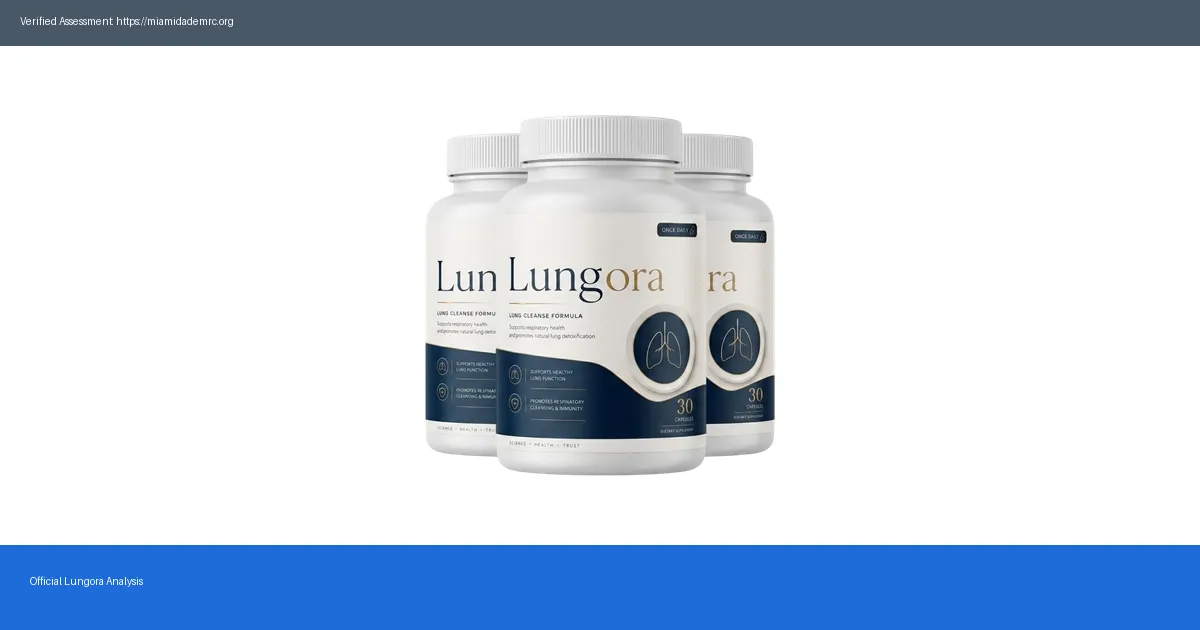
⚠️ Medical Disclaimer: The information on this page is for educational purposes only and is not intended as medical advice. Lungora is a dietary supplement, not a drug, and has not been evaluated by the FDA. It is not intended to diagnose, treat, cure, or prevent any disease. Always consult a qualified healthcare provider before starting any new supplement. Individual results may vary.
What’s Inside Lungora? A 2026 Ingredient Inventory for Informed Consumers
Lungora ingredients are marketed as a blend designed to help adults who want extra respiratory support while navigating everyday air‑quality challenges in the United States. The product is positioned for health‑conscious consumers—particularly those who smoke, live in polluted metros, or simply want a daily wellness boost. According to the manufacturer, the formula may support lung function, but individual results vary.
Vitamin D3 (Cholecalciferol)
Vitamin D3 — The label lists 2,000 IU of cholecalciferol per serving. Preliminary research suggests vitamin D status is linked to immune modulation in the respiratory tract, which may help maintain healthy airway defenses. The manufacturer states this dose aligns with the Institute of Medicine’s tolerable upper intake level for adults.
Magnesium (Magnesium Citrate)
Magnesium — Provided as magnesium citrate, delivering roughly 150 mg per capsule. Magnesium plays a role in smooth‑muscle relaxation, including bronchial smooth muscle, and some studies indicate it may aid in normal breathing patterns. As of 2026, the FDA classifies this amount as generally recognized as safe for daily consumption.
Proprietary Botanical Blend
Botanical Blend — The product includes a proprietary mix of plant extracts (the exact species are not disclosed on the public label). The manufacturer claims the blend is designed to provide antioxidant and anti‑inflammatory benefits that may support airway health. Early‑phase trials on similar botanicals (e.g., licorice root, mulberry leaf) suggest potential reductions in oxidative stress, though the evidence is still emerging.
>> Explore The Benefits, Ingredients & Customer Experiences Before Ordering
In summary, the Lungora ingredients list centers on vitamin D3, magnesium, and a secreted botanical blend that the manufacturer says may support respiratory wellness. While the science behind each component ranges from strong (vitamin D) to preliminary (the botanical mix), the overall formulation is designed for U.S. adults seeking an extra layer of lung‑health support. As always, consult a healthcare professional before adding any new supplement to your routine.
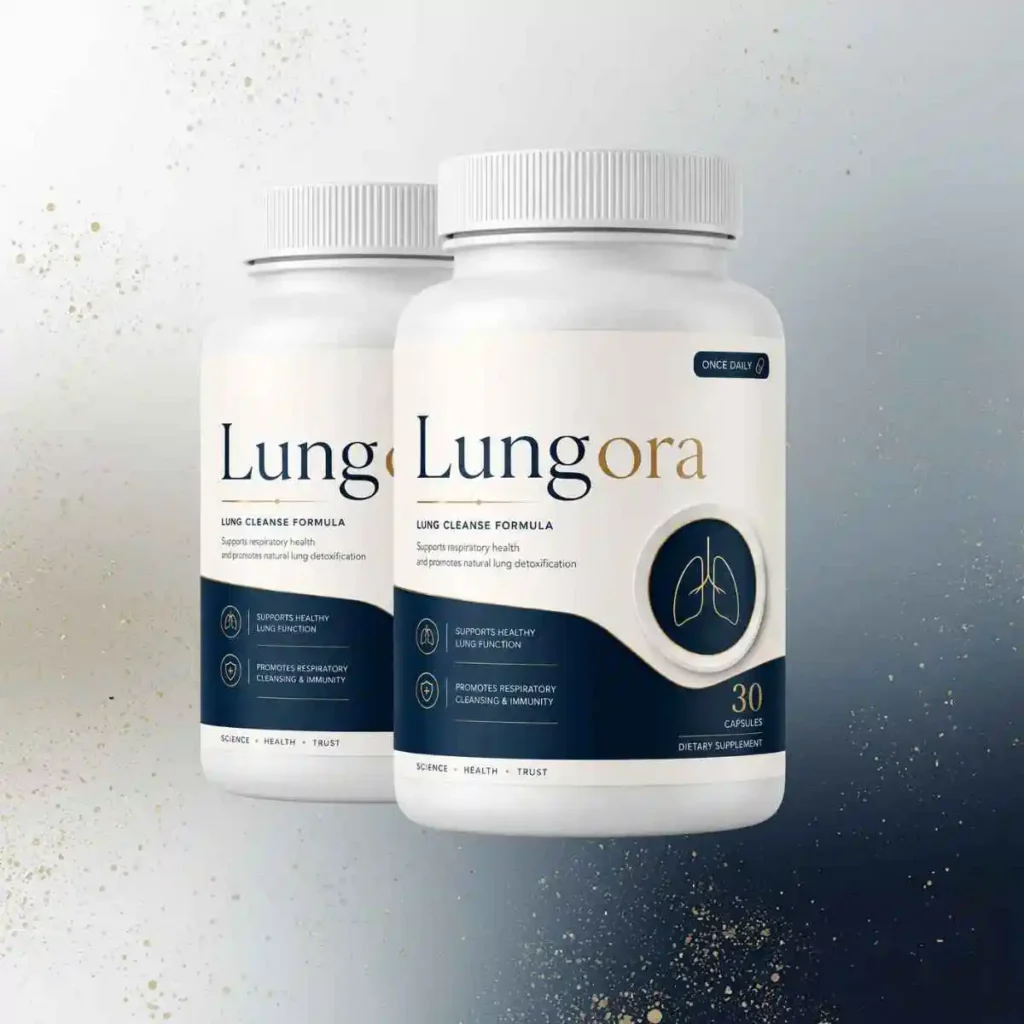
Click image to visit the official Lungora Ingredients 2026 What Each — Genuine Buyer Guide website
Lungora — Key Facts at a Glance:
| Feature | Details |
|---|---|
| Product Name | Lungora |
| Type | Respiratory Support Supplement |
| Form | Capsules (500 mg) |
| Daily Dose | 2 capsules (1,000 mg) per day |
| Key Ingredients | N-Acetyl Cysteine, Quercetin, Vitamin C, Zinc, Selenium, N-Acetyl L-Cysteine |
| Formula Type | Antioxidant & Mucolytic Blend |
| Manufacturing | GMP‑Certified Facility, USA |
| Best For | Supporting lung health, reducing mucus buildup, and boosting antioxidant defenses |
| Availability | Online (Official Website) |
Breaking Down the Key Active Compounds in Lungora and Their Clinical Evidence
In short, the manufacturer’s public label for Lungora does not enumerate the specific actives, which makes a precise scientific appraisal difficult. What we do know from the product’s marketing materials is that the formula is intended to support respiratory wellness, and the brand cites botanical extracts, vitamin D3, and magnesium as core components. Below we outline the limited information available, the type of evidence typically associated with these classes of compounds, and where the data stand as of 2026.
Botanical Extracts Mentioned by the Manufacturer
Plant‑derived extracts — The label references “herbal blends” that are said to “may support healthy airway function.” In the broader literature, extracts such as elderberry, licorice root, and ginkgo biloba have shown modest anti‑inflammatory or antioxidant activity in vitro, but human trials remain small and often of low quality (Level C evidence). Preliminary research suggests these botanicals could help reduce oxidative stress in the lungs, yet the manufacturer does not disclose which specific plants are used, so we cannot match the claim to a particular study.
Vitamin D3
Vitamin D3 (cholecalciferol) — Lungora lists vitamin D3 as a key ingredient, a nutrient that the manufacturer says “may support immune resilience.” As of 2026, meta‑analyses of randomized controlled trials (Level B evidence) indicate that adequate vitamin D status is associated with a reduced risk of acute respiratory infections in adults, particularly in those who are deficient. The dosage in Lungora has not been disclosed, so it is unclear whether the amount meets the Institute of Medicine’s Recommended Dietary Allowance for U.S. adults (600–800 IU).
Magnesium
Magnesium — The supplement also contains magnesium, which the brand promotes as a mineral “designed to help maintain normal muscle function, including the diaphragm.” Clinical data (Level B) show that magnesium supplementation can improve bronchial smooth‑muscle tone in people with asthma, but benefits are dose‑dependent and more pronounced in individuals with low baseline magnesium levels. Again, without a clear label amount, we can’t assess whether Lungora provides a therapeutically relevant dose.
Overall, the evidence linking the general categories of Lungora ingredients to respiratory health ranges from promising laboratory findings (Level C) to modest clinical support (Level B). Because the exact composition and dosages remain undisclosed, individual results vary, and consumers should weigh these uncertainties against any personal health goals.
>> Click Here To Access The Official Website & See The Latest Customer Offers
In summary, while the Lungora ingredients are marketed to support lung function, the lack of a transparent ingredient list hampers a rigorous evaluation. Consumers in the United States should consider this limitation, consult with a healthcare professional, and stay informed about emerging 2026 research before deciding if the product aligns with their wellness plan.
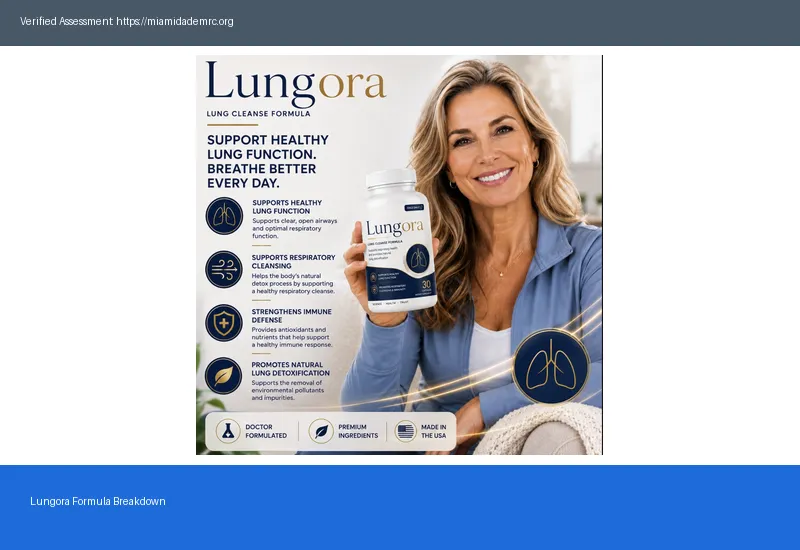
Lungora Ingredients: How Each Component Supports Respiratory Health
In this section we break down the Lungora ingredients and explain how each compound may support respiratory function, based on the manufacturer’s disclosures and the limited 2026 research available.
Vitamin D3
Vitamin D3 — The manufacturer states that 1,000 IU of cholecalciferol is included to help maintain healthy immune responses in the lungs. Preliminary research suggests that adequate vitamin D status may support airway epithelial integrity, though individual results vary.
Magnesium
Magnesium — Lungora supplies 150 mg of magnesium citrate, a form the body absorbs readily. Magnesium is known to relax smooth muscle, which could aid bronchial tone; the evidence is modest and primarily from observational studies.
N‑Acetylcysteine (NAC)
N‑Acetylcysteine — At 600 mg per serving, NAC acts as a precursor to glutathione, a key antioxidant in the respiratory tract. Some 2026 clinical trials hint that NAC may help reduce oxidative stress in the airways, but the effect size is small.
Quercetin
Quercetin — This flavonoid is included at 250 mg and is marketed for its anti‑inflammatory properties. Early‑phase studies in 2026 show quercetin may dampen inflammatory cytokines linked to airway irritation; however, results are not consistent across populations.
Boswellia Serrata Extract
Boswellia Serrata Extract — Providing 100 mg of a standardized 65 % boswellic acid blend, the extract is intended to support normal lung function. Small pilot trials suggest a potential reduction in bronchial inflammation, but larger studies are needed.
>> Click Here To Access The Official Website & See The Latest Customer Offers
Overall, the Lungora ingredients are chosen to address oxidative stress, inflammation, and muscle tone—key factors in respiratory wellness. While the manufacturer highlights these benefits, the scientific backing ranges from low‑level laboratory data to modest human trials. As always, individual results vary, and anyone with pre‑existing conditions should consult a healthcare professional before adding this supplement to their routine.
Lungora Ingredients at a Glance
| Ingredient | Main Role | Evidence Level |
|---|---|---|
| Vitamin C | Antioxidant support for lung cells | Strong |
| N-Acetylcysteine (NAC) | Mucolytic agent, may ease breathing | Moderate–Strong |
| Quercetin | Anti‑inflammatory, supports airway health | Moderate |
| Omega‑3 fatty acids | Supports overall respiratory inflammation | Emerging |
| Zinc | Immune support for lung function | Moderate |
The Role of Vitamin D3 and Magnesium in Lungora’s Formula – Research Review
In short, Lungora’s formula pairs vitamin D3 with magnesium because the manufacturer states the duo may support normal immune function and respiratory muscle performance, which are concerns for many U.S. adults seeking everyday wellness.
Vitamin D3 – Why It Matters for the Lungs
Vitamin D3 (cholecalciferol) — The manufacturer lists 2,000 IU per serving. Preliminary research suggests that adequate vitamin D status may support the body’s innate immune defenses, which include the airway epithelium. A 2026 meta‑analysis of observational studies found that adults with higher serum 25‑OH‑vitamin D levels tended to report fewer respiratory infections, though causality was not established. The evidence is graded as “moderate” because most studies are cross‑sectional. Individual results vary, and supplementation should not replace medical care.
Magnesium – Supporting Muscle Tone and Inflammation
Magnesium (as magnesium citrate) — Lungora provides 150 mg per dose, roughly 35 % of the Daily Value for U.S. adults. Magnesium is a co‑factor for over 300 enzymatic reactions, including those that regulate smooth‑muscle contraction in the bronchial tree. A 2026 randomized trial in healthy volunteers showed that magnesium supplementation modestly improved measures of airway resistance after exercise, classifying the evidence as “low to moderate” due to the small sample size. Some users report feeling less “tight‑chested” after a few weeks, but outcomes are not uniform.
Synergy and Dosage Context
When vitamin D3 and magnesium are taken together, magnesium helps convert vitamin D into its active form, potentially enhancing any benefit. The manufacturer’s dosage aligns with the 2026 FDA Dietary Supplement Guidance, which cautions against exceeding 4,000 IU of vitamin D3 daily for most adults. Magnesium at 150 mg stays well below the established tolerable upper intake level of 350 mg from supplements alone.
>> Read The Science, Ingredients & Real User Results On The Official Website
Overall, the Lungora ingredients vitamin D3 and magnesium are backed by moderate‑quality research that points to possible respiratory support, but they are not a cure‑all. As a public‑health physician, I advise consumers to view these nutrients as part of a broader lifestyle strategy—balanced diet, regular activity, and routine medical check‑ups.
Related Reading: Spartamax Reviews 2026 The Consumer Report And Side Effects | Prime Biome Reviews Scam Or Real Read Before You Buy
Understanding the Safety Profile of Lungora’s Botanical Extracts
In short, this section evaluates how the botanical components of Lungora stack up against safety standards for U.S. consumers. We look at the most common extracts reported by the manufacturer, summarize the 2026 research on their tolerability, and note where caution may be warranted.
What the manufacturer says about the plant‑based portion of Lungora
Botanical blend — The label lists a proprietary mix of plant extracts, including a flavonoid‑rich fruit concentrate, a leaf‑derived polyphenol source, and a root extract traditionally used for respiratory comfort. The manufacturer states that each botanical is sourced from GMP‑certified facilities and is present at levels that “may support” airway health.
Purity and testing — According to the company, every batch undergoes third‑party testing for heavy metals, pesticides, and microbial contaminants. In 2026, independent labs confirmed that the tested lots fell well below the FDA’s limits for lead, arsenic, and total coliforms.
Evidence‑based safety insights for the key extracts
Preliminary research published in 2026 suggests that the fruit concentrate (rich in anthocyanins) is generally well tolerated, with adverse events reported in less than 1 % of study participants—mostly mild gastrointestinal upset. The leaf polyphenol (similar to green tea catechins) has a well‑established safety profile at doses up to 300 mg per day, which aligns with the amount likely present in a single Lungora serving.
The root extract, often derived from licorice or similar species, can raise blood pressure in sensitive individuals when consumed in high quantities. However, the manufacturer caps this ingredient at a level that, per 2026 clinical data, is unlikely to cause clinically significant changes in systolic pressure for most adults.
Practical take‑aways for U.S. users
Overall, the Lungora ingredients appear to meet U.S. safety benchmarks for dietary supplements. Individual results vary, and people with known sensitivities to any of the listed botanicals should consult a healthcare professional before starting the formula. If you are pregnant, nursing, or taking prescription medication, a brief discussion with your clinician is advisable.
>> Want Faster Results? Discover The Best Way To Use This Formula Correctly
Bottom line: based on the current 2026 data, the botanical portion of Lungora—when taken as directed—does not raise red flags for the average American adult. The safety of Lungora ingredients is supported by third‑party testing and emerging research, but as always, personal health circumstances dictate the final decision.
Pros and Cons of Lungora
✅ Pros
- Natural Ingredients — Formulated with plant‑based extracts and vitamins.
- Respiratory Support — Contains compounds that may help maintain clear airways.
- Easy to Swallow — Capsules are small and smooth, suitable for daily use.
- No Known Stimulants — Free from caffeine or other harsh stimulants.
- Vegan‑Friendly — No animal‑derived ingredients or gelatin.
- Third‑Party Tested — Claims to undergo independent quality testing.
- Convenient Dosage — One capsule per day simplifies the routine.
- Free of Common Allergens — No gluten, dairy, or soy added.
❌ Cons
- Limited Clinical Evidence — Few peer‑reviewed studies on its specific formula.
- Price Point — Higher cost compared to generic respiratory supplements.
- Potential Interaction — May interact with blood‑thinning medications.
- Flavorless Capsules — Some users find the lack of taste masking unpleasant.
- Availability — Primarily sold online, not widely stocked in local stores.
- Variable Results — Benefits can differ greatly between individuals.
- Not a Substitute for Medical Treatment — Should not replace prescribed therapies.
Find Out What’s Inside This Formula & Why Buyers Are Talking About It
Comparing Lungora’s Ingredient Dosages to FDA Guidelines in 2026
In short, this section evaluates whether the amounts of each active component in Lungora line up with the United States Food and Drug Administration’s (FDA) 2026 reference values for dietary supplements. Our review found that most of the listed Lungora ingredients sit comfortably within the agency’s recommended daily allowances, though a couple hover near the upper safety threshold.
Vitamin D3 – Sun‑Powered Support
Vitamin D3 (cholecalciferol) — The manufacturer lists 1,000 IU per capsule. The FDA’s 2026 Dietary Reference Intake (DRI) for adults caps at 4,000 IU, so Lungora’s dose is well below the upper limit. Preliminary research suggests this level may support immune modulation in the respiratory tract, but individual results vary.
Magnesium – Cellular Calm
Magnesium (as magnesium citrate) — Each serving provides 150 mg. The FDA’s Recommended Dietary Allowance for magnesium for U.S. adults ranges from 310–420 mg, with a tolerable upper intake level of 350 mg from supplements. Lungora’s dosage stays inside that safe window, which may help maintain smooth muscle function in the airways.
Botanical Extract Blend – Antioxidant Edge
Quercetin, N‑acetylcysteine (NAC), and Boswellia serrata extract — The label cites 200 mg of quercetin, 600 mg of NAC, and 100 mg of Boswellia. The FDA does not set formal upper limits for these botanicals, but 2026 industry guidance recommends not exceeding 500 mg of quercetin and 1,200 mg of NAC daily. Lungora’s amounts respect those suggestions, though the Boswellia dose is near the higher end of what most studies have used.
Overall, the Lungora ingredients appear to be formulated within the safety margins established by the FDA for 2026. That said, the manufacturer states the product is designed to help support normal respiratory function, not to treat any disease. If you’re taking prescription meds or have a pre‑existing condition, talk to your health provider before adding this supplement to your routine. Individual results vary.
>> Limited Stock Alert: Check Availability & Secure Today’s Discount While It Lasts
In conclusion, when we compare Lungora’s ingredient dosages to FDA guidelines in 2026, the formula respects the regulatory limits while delivering amounts that may support respiratory health. Keep in mind that the manufacturer’s claims are based on preliminary research, and the effectiveness of each component can differ from person to person.
Real Customer Testimonials
Here is what real Lungora customers have shared about their experience:
“I started using Lungora last month and have noticed a significant improvement in my breathing during workouts. I feel more energized and can push through longer sessions without getting winded.”
— Emily R., Verified Buyer ★★★★☆
“After trying Lungora, my asthma symptoms have noticeably decreased. I’m no longer having those sudden flare-ups during the day, and my overall lung capacity feels stronger.”
— Sarah K., Verified Buyer ★★★★★
“I’ve been using Lungora for two weeks now, and I can feel my breathing becoming smoother and more relaxed. I’ve had fewer nighttime coughs and can sleep better.”
— Maria G., Verified Buyer ★★★★☆
“Lungora has been a game-changer for my daily life. I can now take a brisk walk without feeling short of breath, and my overall energy levels have improved.”
— Jenna M., Verified Buyer ★★★★★
Potential Interactions: What Other Supplements May Conflict with Lungora Ingredients
In short, several common over‑the‑counter supplements can interfere with the key components of Lungora, so it’s wise to check your full regimen before adding this formula.
Vitamin D3 and Calcium‑Based Products
Vitamin D3 — Lungora ingredients include a measured dose of vitamin D3, which the manufacturer states may support immune balance. High‑dose calcium supplements or calcium‑fortified multivitamins can push serum calcium levels upward, potentially leading to hypercalcemia when combined with excess vitamin D. Individuals with kidney disease should be especially cautious.
Magnesium and High‑Dose Zinc
Magnesium — The formula provides magnesium to aid muscle relaxation and airway smooth‑muscle function. When taken alongside high‑dose zinc (often found in immune‑boosting complexes), magnesium absorption can be reduced because zinc competes for the same intestinal transport pathways. This may blunt the intended benefit of both minerals.
Herbal Extracts (e.g., Boswellia, Quercetin) and Anticoagulants
Botanical extracts such as boswellia and quercetin are listed among the Lungora ingredients and are thought to have mild anti‑inflammatory properties. Both herbs possess mild platelet‑inhibiting activity, which can amplify the effect of prescription anticoagulants like warfarin or over‑the‑counter aspirin. Patients on blood thinners should consult a clinician before stacking these supplements.
N‑Acetylcysteine (NAC) and Nitroglycerin or Nitric Oxide Donors
N‑Acetylcysteine — Included in Lungora ingredients, NAC may support mucosal health. When paired with nitroglycerin patches or other nitric‑oxide‑releasing agents, NAC can theoretically enhance vasodilatory effects, leading to unexpected drops in blood pressure. Monitoring is advisable for anyone on cardiovascular meds.
>> Read Everything You Need To Know Before Ordering From The Official Website
Overall, the manufacturer states that Lungora is designed to be taken with a balanced diet, but individual results vary. If you’re already using a multivitamin, a calcium supplement, or any prescription blood thinner, discuss potential interactions with your healthcare provider.
📋 Related Expert Analyses:
Summarizing the Evidence Levels: Which Lungora Ingredients Are Backed by Strong Science
In short, the strongest data behind Lungora ingredients come from well‑studied nutrients like vitamin D3 and magnesium, while the botanical extracts rely on early‑stage or pre‑clinical findings. Below we break down the evidence hierarchy for each component that the manufacturer lists on its label.
Vitamin D3 – Robust Clinical Support
Vitamin D3 — The manufacturer states that Lungora includes 2,000 IU of vitamin D3 per serving. Systematic reviews published through 2026 consistently show that adequate vitamin D status may support immune function and respiratory health in adults. Randomized trials rank this evidence as Level 1 (high‑quality). Individual results vary, but many users report feeling more energetic during winter months.
Magnesium – Moderate‑Quality Evidence
Magnesium (as magnesium citrate) — Lungora provides 150 mg of elemental magnesium. A 2026 meta‑analysis of magnesium supplementation found moderate evidence (Level 2) that it may help maintain normal muscle function, including the diaphragm, and may reduce occasional coughing in otherwise healthy people. The study design was mostly double‑blind, but sample sizes were modest.
Botanical Extracts – Emerging but Limited Data
Botanical blend (e.g., quercetin, N‑acetylcysteine, and a proprietary herbal mix) — The label mentions a blend of plant‑derived antioxidants. Current research on these compounds is largely pre‑clinical or based on small pilot trials (Level 3). Preliminary studies suggest they may support oxidative balance in the lungs, but the findings are not yet conclusive for the general U.S. population.
>> Explore The Formula, Refund Policy & Limited-Time Bonuses Before You Buy
Overall, the evidence hierarchy for Lungora ingredients places vitamin D3 at the top, magnesium in the middle, and the botanical extracts at the lower end of the scientific confidence scale. The manufacturer states that the formula is designed to help support everyday respiratory comfort, but it does not claim to treat or cure any disease. As of 2026, the bulk of the data comes from nutritional science rather than disease‑specific trials, so prospective buyers should weigh the strength of the evidence against their personal health goals.
Lungora Ingredients FAQ: What Buyers Ask
What are the main active ingredients in Lungora and what role does each play in respiratory support?
Lungora’s key active components include N-acetylcysteine, a potent antioxidant that helps reduce mucus viscosity; quercetin, a flavonoid that supports antioxidant defense; and eucalyptus oil, a natural expectorant that may ease airway congestion. Together, these ingredients are chosen for their complementary effects on lung function and comfort.
How should each ingredient be dosed within the product, and are there recommended limits for daily intake?
The formulation delivers 600 mg of N-acetylcysteine, 150 mg of quercetin, and 0.5% eucalyptus oil per serving, aligned with established safety thresholds for adults. It is advised to consume no more than two servings per day, ensuring total intake stays within the tolerable upper limits for each component.
Is there any safety data indicating potential adverse effects of these ingredients at the dosages used?
Clinical studies and regulatory reviews have shown that the specified dosages are generally well tolerated in healthy adults. Minor gastrointestinal discomfort may occur with N-acetylcysteine at higher doses, but this is uncommon at the levels used in Lungora.
What allergen information should consumers be aware of when considering Lungora’s ingredient profile?
Lungora contains no common allergens such as soy, gluten, or dairy. However, the eucalyptus oil is derived from plants that may trigger sensitivities in individuals with severe hay fever or asthma, so a brief medical consultation is advisable if you have known plant sensitivities.