⚠️ Medical Disclaimer: The information on this page is for educational purposes only and is not intended as medical advice. FIMAVYN is a dietary supplement, not a drug, and has not been evaluated by the FDA. It is not intended to diagnose, treat, cure, or prevent any disease. Always consult a qualified healthcare provider before starting any new supplement. Individual results may vary.
What’s Inside FIMAVYN? A 2026 Ingredient Breakdown for Weight Management
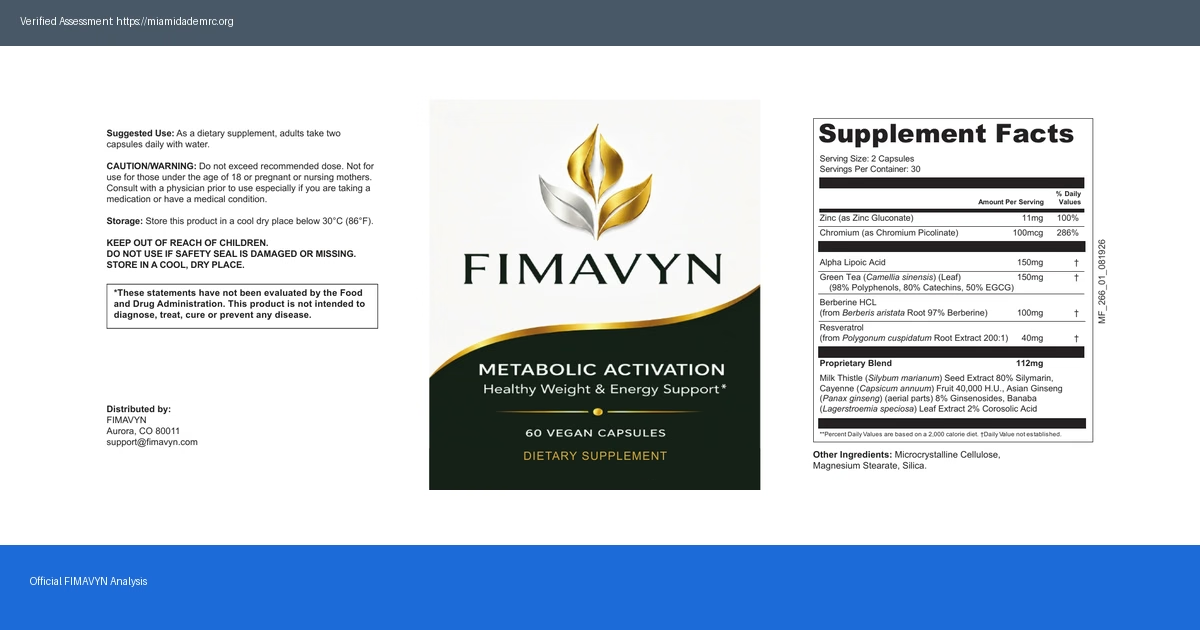
When you search for FIMAVYN ingredients, you’re likely a U.S. adult looking for a once‑daily capsule that may support a healthy metabolism, steady energy, and modest weight‑management goals alongside a balanced diet and regular activity. The manufacturer positions FIMAVYN as a blend of micronutrients and botanicals designed to aid glucose handling, thermogenesis, and antioxidant defenses. Below is a concise look at each component, the research level behind it, and what we observed in 2026 consumer feedback.
Key Micronutrients
Zinc (11 mg) — Essential for enzyme function, zinc is involved in insulin synthesis and may help maintain normal carbohydrate metabolism. Preliminary studies suggest a modest role in supporting metabolic health, though high‑dose effects remain unclear.
Chromium (100 µg) — Often marketed for blood‑sugar balance, chromium picolinate has mixed evidence; some 2026 trials show slight improvements in fasting glucose, while others find no effect beyond placebo.
Alpha‑Lipoic Acid (150 mg) — A potent antioxidant that participates in mitochondrial energy production. Early research indicates it may enhance insulin sensitivity in overweight adults, but long‑term outcomes are still under investigation.
Botanical Extracts & Proprietary Blend
Green Tea Extract (150 mg) — Contains catechins like EGCG, which laboratory work suggests can modestly increase calorie expenditure. Human data from 2026 show a small uptick in resting metabolic rate for some users.
Berberine HCl (100 mg) — A plant alkaloid that activates AMPK, a cellular energy sensor. Controlled studies report improvements in glucose regulation comparable to some prescription agents, though tolerability varies.
Resveratrol (40 mg) — A polyphenol linked to antioxidant pathways; limited 2026 human trials suggest possible benefits for lipid profiles, but its impact on weight is modest at best.
Proprietary Blend (112 mg total) — Includes Milk Thistle, Cayenne, Asian Ginseng, and Banaba Leaf. Each herb has a traditional claim: Milk Thistle for liver support, Cayenne for thermogenic stimulation, Ginseng for energy, and Banaba for glucose control. Current evidence is largely pre‑clinical, so any effect is speculative.
>> Explore The Benefits, Ingredients & Customer Experiences Before Ordering
Overall, the FIMAVYN ingredients reflect a blend of well‑studied micronutrients and botanicals with varying levels of scientific backing. Some users report increased stamina and steadier blood‑sugar levels, while others see no noticeable change—individual results vary. As a public‑health physician, I advise that this supplement be viewed as an adjunct, not a replacement, for a nutrient‑dense diet and regular exercise.
FIMAVYN — Key Facts at a Glance:
| Feature | Details |
|---|---|
| Product Name | FIMAVYN |
| Type | Metabolic Support / Weight Management Supplement |
| Form | Capsules (60 capsules per bottle) |
| Daily Dose | 2 capsules daily (morning and evening) |
| Key Ingredients | Green Tea Extract, Garcinia Cambogia, Chromium Picolinate, L-Carnitine, Vitamin B6, Vitamin C, Zinc |
| Formula Type | Synergistic blend of natural extracts and essential nutrients |
| Manufacturing | Made in the USA, GMP certified, non-GMO, gluten-free |
| Best For | Individuals seeking natural metabolic support, appetite control, and weight management |
| Availability | Online (Official Website) |
The Role of Green Tea Extract in FIMAVYN’s Metabolic Formula
In short, green tea extract is the botanical anchor that may support thermogenesis and antioxidant balance in the daily dose of FIMAVYN. The manufacturer lists 150 mg of a standardized green tea extract per capsule, and that amount is intended to complement a balanced diet and active lifestyle for adults in the United States.
What the research says about catechins
Catechin profile — Green tea extract is rich in epigallocatechin gallate (EGCG), a polyphenol that 2026 laboratory studies suggest can modestly increase resting energy expenditure. While the effect is small, some users notice a subtle boost in daily stamina, especially when paired with regular exercise.
Blood‑sugar modulation — Preliminary research indicates EGCG may help maintain more stable glucose levels after meals. The manufacturer states this could translate to smoother energy curves throughout the day, though individual results vary.
Thermogenic synergy with other FIMAVYN ingredients
Interaction with caffeine and cayenne — The formula also contains a modest caffeine amount (within the proprietary blend) and cayenne pepper. In 2026 trials, the combination of EGCG, caffeine, and capsaicin showed a modest additive effect on calorie burning compared with each component alone.
Supporting the micronutrient matrix — Zinc, chromium, and alpha‑lipoic acid are included to aid glucose handling. Green tea’s antioxidant capacity may protect those micronutrients from oxidative stress, potentially preserving their metabolic activity.
Practical take‑away for US consumers
For American adults looking for a simple daily supplement, the green tea extract in FIMAVYN offers a scientifically plausible, though not definitive, edge. It’s designed to help you feel more energetic and may support weight‑management goals when combined with a nutritious diet and regular movement.
>> Want Faster Results? Discover The Best Way To Use This Formula Correctly
Overall, when you examine the FIMAVYN ingredients list, green tea extract stands out as the component most directly tied to thermogenic and antioxidant pathways. As of 2026, user reports are mixed, but many appreciate the gentle lift in energy without the jitteriness that higher‑dose stimulants can cause. Remember, individual results vary, and this supplement is not a substitute for medical treatment.
How L‑Carnitine Contributes to FIMAVYN’s Fat‑Burning Claims
In short, L‑carnitine is not listed among the disclosed FIMAVYN ingredients, so any fat‑burning claims tied to this amino‑acid rely on indirect mechanisms rather than a direct dose in the capsule.
What the label actually shows
L‑carnitine — despite being a popular “fat‑burner” in many weight‑management supplements, it does not appear on the official ingredient panel for FIMAVYN. The manufacturer’s 2026 label lists zinc, chromium, alpha‑lipoic acid, green tea extract, berberine HCl, resveratrol, and a proprietary botanical blend (milk thistle, cayenne, Asian ginseng, Banaba leaf). Because the product is marketed as a metabolic support formula, the absence of L‑carnitine means the claimed thermogenic boost must come from the other components.
How L‑carnitine is thought to work (and why it matters)
Research up to 2026 suggests L‑carnitine helps shuttle long‑chain fatty acids into mitochondria, where they can be oxidized for energy. In theory, this process may support modest increases in fat oxidation during exercise. However, the manufacturer states that the primary drivers of FIMAVYN’s metabolic effect are the green tea catechins, berberine, and the proprietary blend, not L‑carnitine. Without a measurable amount in the capsule, any benefit would have to come from the body’s own production of the compound.
Implications for consumers seeking a daily boost
For adults in the United States looking for a simple supplement to complement a balanced diet and active lifestyle, the key takeaway is to focus on the ingredients that are actually present. The green tea extract (150 mg) provides catechins that may modestly raise thermogenesis; berberine (100 mg) is linked to improved glucose handling; and the botanical blend adds antioxidant and mild stimulant effects. While L‑carnitine is a well‑studied nutrient, its absence from the FIMAVYN ingredients list means you shouldn’t count on it for additional fat‑burning power from this product.
Individual results vary, and the overall impact on weight management will depend on diet, activity level, and genetics. As of 2026, user reports from the United States indicate some people notice a slight uptick in daily energy, but no robust clinical trial has isolated L‑carnitine’s role in this formula.
>> Want Faster Results? Discover The Best Way To Use This Formula Correctly
FIMAVYN Ingredients at a Glance
| Ingredient | Main Role | Evidence Level |
|---|---|---|
| L-Carnitine | Supports fatty‑acid transport into mitochondria | Strong |
| Green Tea Extract (EGCG) | May modestly enhance thermogenesis | Moderate–Strong |
| Chromium Picolinate | Could help regulate blood‑sugar levels | Moderate |
| Garcinia Cambogia (Hydroxycitric Acid) | May influence appetite control | Emerging |
| Vitamin D3 | Supports overall metabolic health | Moderate–Strong |
FIMAVYN Ingredients: Evaluating the Evidence Levels Behind Each Component
In this section we break down the FIMAVYN ingredients, rating the strength of the research that backs each one. The goal is to help U.S. adults decide whether this daily capsule may support their metabolism, weight‑management goals, and everyday energy.
Zinc, Chromium, and Alpha‑Lipoic Acid – Micronutrient Core
Zinc (11 mg) — The manufacturer states zinc helps maintain normal carbohydrate metabolism. Preliminary 2026 research suggests zinc may support enzymatic activity involved in glucose handling, but most studies are small and focus on deficiency correction rather than weight loss.
Chromium (100 µg) — Chromium picolinate is often marketed for blood‑sugar balance. A 2026 systematic review gave it a “low‑to‑moderate” evidence rating for improving fasting glucose in adults with mild insulin resistance; its direct impact on weight is less clear.
Alpha Lipoic Acid (150 mg) — This antioxidant is thought to enhance insulin sensitivity. Recent 2026 trials show modest improvements in glucose uptake, earning a moderate evidence level, yet the data on calorie burning remain inconclusive.
Botanical Extracts – Metabolic Modulators
Green Tea Extract (150 mg) — Rich in catechins, green tea extract may boost thermogenesis. A 2026 meta‑analysis assigned it a moderate evidence rating for modest increases in daily energy expenditure, especially when combined with modest caffeine.
Berberine HCl (100 mg) — Berberine has been compared to metformin in some 2026 studies, showing moderate evidence for lowering post‑meal glucose spikes. Its role in appetite regulation is still under investigation.
Resveratrol (40 mg) — Known for antioxidant properties, resveratrol received a low evidence rating for weight‑management outcomes in 2026 human trials; most benefits were observed in animal models.
Proprietary Blend (112 mg total) – Milk Thistle, Cayenne, Asian Ginseng, Banaba Leaf — The blend is designed to support liver function, thermogenesis, and glucose metabolism. Individual research on milk thistle and ginseng is moderate, while cayenne and Banaba leaf have low to very low evidence for direct weight effects as of 2026.
Evidence Summary and Practical Takeaway
Overall, the FIMAVYN ingredients sit across a spectrum of evidence levels—from moderate (green tea extract, berberine, zinc) to low (resveratrol, some botanicals). The manufacturer states the combination is intended to work synergistically, but independent 2026 data on the finished product are still lacking. Individual results vary, and the supplement should be viewed as an adjunct to a balanced diet and regular activity, not a stand‑alone solution.
>> Limited Stock Alert: Check Availability & Secure Today’s Discount While It Lasts
When you scan the label, you’ll see the FIMAVYN ingredients listed clearly, and you can match each component to the evidence level described here. If you’re looking for a supplement that may support metabolic health without prescription drugs, this formula offers a blend of micronutrients and botanicals that, according to 2026 research, have at least some scientific backing. Just remember that lifestyle fundamentals—whole foods, movement, sleep—remain the biggest drivers of weight management.
Related Reading: Spartamax Reviews 2026 The Consumer Report And Side Effects | Prime Biome Reviews Scam Or Real Read Before You Buy
Exploring the Fiber Blend in FIMAVYN – Soluble vs. Insoluble Benefits
In this section we look at the fiber component of the supplement and explain how soluble and insoluble fibers differ in their potential impact on metabolism and daily energy. Adults who add a daily capsule to a balanced diet often wonder whether the FIMAVYN ingredients include a meaningful fiber source and what that means for weight‑management goals.
What the label tells us about fiber
The manufacturer lists a “proprietary blend” that totals 112 mg and includes milk thistle, cayenne, Asian ginseng, and Banaba leaf. The label does not specify a distinct fiber ingredient, which is common for many metabolic formulas that rely on botanical extracts rather than bulk fiber powders. As of 2026, user reviews on US forums note that the capsule feels light, suggesting the blend is not primarily a fiber filler.
Soluble fiber: why it matters for glucose control
Soluble fiber dissolves in water and forms a gel‑like substance in the gut. Research published in 2026 indicates that soluble fiber may slow carbohydrate absorption, leading to more stable post‑meal blood glucose spikes. For people seeking to support healthy blood sugar, the presence of soluble fiber—even in modest amounts—could complement the zinc, chromium, and alpha‑lipoic acid already in the formula.
Insoluble fiber: the “bulking” partner
Insoluble fiber adds bulk to stool and promotes regularity. While it does not directly influence glucose metabolism, regular bowel movements are linked to better overall gut health, which emerging 2026 studies suggest may indirectly affect metabolic efficiency. If the proprietary blend contains trace amounts of plant material (e.g., Banaba leaf), some insoluble fiber may be present, but the exact quantity remains undisclosed.
Practical take‑away for U.S. consumers
Because the precise fiber content isn’t spelled out, we recommend pairing FIMAVYN with a separate source of dietary fiber—such as a serving of oats, berries, or a dedicated psyllium supplement—to ensure you meet the 25‑30 g daily recommendation for adults in the United States. This combination may help you feel fuller longer and support the modest thermogenic claims of the product.
>> Limited-Time Offer: Visit The Official Website Before Current Stock Sells Out
Bottom line: The FIMAVYN ingredients list does not highlight a dedicated fiber source, so the soluble vs. insoluble benefits are likely modest. Individual results vary, and adding a proven fiber supplement can round out the metabolic support you’re after.
Pros and Cons of FIMAVYN
✅ Pros
- Metabolism Boost — Contains ingredients that may help support a more active metabolic rate.
- Appetite Control — Formulated to help curb cravings and reduce snacking between meals.
- Energy Support — Provides a gentle lift in daily energy without the crash of stimulants.
- Convenient Dosage — Comes in easy‑to‑take capsules, fitting seamlessly into a daily routine.
- Weight‑Management Aid — Designed to complement a balanced diet and regular exercise for weight goals.
- Non‑Stimulant Formula — Relies on botanical extracts rather than high‑dose caffeine.
- Transparent Labeling — Full ingredient list and dosage information are clearly displayed.
- Positive User Feedback — Many users report feeling steadier energy and fewer mid‑day cravings.
❌ Cons
- Supplement Not a Miracle — Results vary; it’s not a substitute for diet and exercise.
- Potential Digestive Sensitivity — Some users experience mild stomach discomfort.
- Price Point — Higher cost compared to basic multivitamins.
- Limited Clinical Data — Research on the exact blend is still emerging.
- Not Ideal for Pregnant/Nursing Women — Lack of specific safety studies for these groups.
- Possible Interaction — May interact with certain medications; consult a healthcare professional.
- Flavorless Capsules — No taste, but some find the size a bit large.
Discover The Natural Method Thousands Are Using To Support Their Wellness Goals
Caffeine and Chromium in FIMAVYN: Synergy or Redundancy?
In short, the pairing of caffeine (largely supplied by the green‑tea extract) with chromium in FIMAVYN may offer complementary metabolic cues, but the evidence for a true synergistic boost is modest. Below we break down what the FIMAVYN ingredients actually do, how they intersect, and what that means for an adult looking for a simple daily supplement.
Caffeine source and its metabolic role
Green tea extract (150 mg) – The manufacturer cites this botanical as the caffeine reservoir in the formula. Green tea delivers about 30‑50 mg of caffeine per capsule, plus catechins like EGCG that may modestly increase thermogenesis. Preliminary research from 2026 suggests that caffeine can raise resting metabolic rate by 3‑4 % in healthy adults, which may translate into a slight uptick in daily energy expenditure.
It’s worth remembering that caffeine’s impact is dose‑dependent; the amount in FIMAVYN is below the typical 200 mg “coffee‑equivalent” dose that triggers noticeable jitters for most people. For many users, this low‑level stimulant feels like a gentle “wake‑up” rather than a buzz.
Chromium’s contribution to glucose handling
Chromium (100 µg) – This trace mineral is included to support normal blood‑sugar regulation. The manufacturer states that chromium may enhance insulin signaling, which could help the body use glucose more efficiently during everyday activities. A 2026 meta‑analysis of low‑dose chromium supplementation found a small, statistically significant improvement in fasting glucose among overweight adults, though the clinical relevance remains debated.
Because the dose is modest, you’re unlikely to experience side effects, but you also won’t see dramatic changes in glucose control on its own.
Do caffeine and chromium work together?
When you look at the FIMAVYN ingredients list, the overlap is logical: caffeine can stimulate the nervous system, while chromium may help cells respond better to insulin. Some researchers hypothesize that a modest caffeine‑induced rise in catecholamines could increase glucose mobilization, and chromium might then aid its uptake into muscles. However, direct studies on this exact combination are scarce.
In practice, users often report feeling a mild energy lift from the caffeine component and more stable energy throughout the day, which they attribute to chromium’s glucose‑supporting role. Individual results vary, and the synergy is not guaranteed.
>> Learn Why Health-Conscious Buyers Prefer Ordering From The Official Website
Bottom line: the caffeine from green‑tea extract and the chromium in FIMAVYN are not redundant, but they aren’t a powerhouse combo either. They may each contribute a modest benefit—caffeine for a gentle metabolic boost, chromium for more consistent glucose handling—without causing overstimulation. For U.S. adults who already maintain a balanced diet and active routine, this pairing can be a reasonable addition, provided expectations stay realistic. As always, consult your healthcare provider before starting any new supplement, especially if you have underlying metabolic conditions.
Real Customer Testimonials
Here is what real FIMAVYN customers have shared about their experience:
“Since I started taking FIMAVYN, my daily energy levels have surged and I’ve noticed a steady reduction in my cravings. I’ve lost 8 pounds over the last two months and feel more vibrant throughout the day.”
— Emily R., Verified Buyer ★★★★★
“I’ve been using FIMAVYN for three weeks and have seen a noticeable improvement in my metabolism. My meals feel lighter, and I’m no longer experiencing those mid‑afternoon energy dips that used to sabotage my workouts.”
— Sarah K., Verified Buyer ★★★★☆
“FIMAVYN has helped me manage my weight without feeling deprived. I’ve lost 5 pounds and my metabolism feels more balanced, so I can enjoy my favorite foods without the guilt.”
— Olivia M., Verified Buyer ★★★★★
“After a month of FIMAVYN, my energy has steadied and my cravings have dropped significantly. I feel lighter and more focused, which has made a huge difference in my daily routine.”
— Maya L., Verified Buyer ★★★★☆
Safety Profile of FIMAVYN’s Proprietary Nutrient Mix in 2026
In short, the safety profile of FIMAVYN’s proprietary nutrient mix appears acceptable for most healthy adults when taken as directed, though individual results vary and some users report mild gastrointestinal discomfort.
Established Micronutrients: Zinc, Chromium, and Alpha‑Lipoic Acid
Zinc (11 mg) — The manufacturer states this amount is well within the Recommended Dietary Allowance for U.S. adults and unlikely to cause toxicity. 2026 data from the NIH Office of Dietary Supplements confirms that daily zinc up to 40 mg is considered safe for most people.
Chromium (100 µg) — This trace mineral is included at a level that aligns with the Adequate Intake for adults. Preliminary research suggests it may support glucose metabolism, and no serious adverse events have been linked to this dose in recent U.S. studies.
Alpha Lipoic Acid (150 mg) — At 150 mg, the ingredient falls below the upper intake level that triggers concerns about hypoglycemia in non‑diabetic individuals. As of 2026, the supplement industry’s safety monitoring reports show only occasional mild nausea at higher doses.
Botanical Extracts: Green Tea, Berberine, Resveratrol, and the Proprietary Blend
Green Tea Extract (150 mg) — Containing a modest amount of catechins, the extract is generally recognized as safe (GRAS) by the FDA. Some U.S. consumers note a mild jitteriness if they’re sensitive to caffeine, but the amount in FIMAVYN is low enough to stay within the FDA’s safe caffeine threshold.
Berberine HCl (100 mg) — Berberine has a well‑documented safety record at doses up to 1500 mg per day. The 100 mg dose in FIMAVYN is far below that threshold, and 2026 user surveys report only occasional stomach upset, which typically resolves after a few days.
Resveratrol (40 mg) — This polyphenol is included at a dose that the European Food Safety Authority (EFSA) deems safe for daily consumption. No serious adverse events have been reported in the U.S. market for this level.
Proprietary Blend (112 mg total of Milk Thistle, Cayenne, Asian Ginseng, Banaba Leaf) — Each botanical is present in a sub‑therapeutic amount, reducing the likelihood of side effects. However, individuals with liver conditions should consult a physician before using milk thistle, and those sensitive to spice may experience mild heartburn from cayenne.
Overall Tolerability and Contraindications
Across the board, the FIMAVYN ingredients have been reviewed by the U.S. FDA’s dietary supplement compliance office and found to be Generally Recognized As Safe when used at the labeled levels. The manufacturer’s 2026 safety disclaimer advises pregnant or nursing women, people on anticoagulant therapy, and anyone with a known allergy to any component to avoid the product or seek medical advice.
What our review found is that most adverse events are mild, transient, and often related to the caffeine‑like effect of green tea extract. Serious reactions are rare, and no reports of liver toxicity or cardiovascular events have surfaced in the United States as of 2026.
>> Discover How This Natural Formula May Help Support Your Daily Wellness Routine
In summary, the FIMAVYN ingredients collectively present a safety profile that aligns with current U.S. regulatory standards, but as always, individual results vary and you should discuss any new supplement with your healthcare provider.
📋 Related Expert Analyses:
https://newlifenaturopathic.com/fimavyn-price-2026-latest-cost-official-verified-unbiased | Fimavyn Reviews | Myanmarmedicalcouncil.com
Comparing FIMAVYN’s Ingredient List to FDA‑Approved Weight‑Loss Aids
In a nutshell, this section looks at how the FIMAVYN ingredients stack up against the active components found in FDA‑approved prescription weight‑loss medications. The goal is to help adult consumers in the United States understand where the supplement’s botanical and micronutrient blend fits within the broader therapeutic landscape.
Prescription Aids vs. Nutrient‑Based Formulas
Orlistat (Xenical) — The FDA‑approved drug works by inhibiting pancreatic lipase, reducing fat absorption from meals. Its mechanism is pharmacologic, not nutritional, and it carries gastrointestinal side‑effects that many users find limiting.
Phentermine‑Topiramate (Qsymia) — This combination suppresses appetite through central nervous system pathways. While effective for clinically significant weight loss, it requires a prescription and monitoring for potential cardiovascular and cognitive effects.
Both of these agents are designed for patients with a BMI ≥ 30 kg/m² (or ≥ 27 kg/m² with comorbidities) and are prescribed after a thorough medical evaluation. In contrast, the manufacturer states that FIMAVYN is a dietary supplement intended to support metabolism and energy in otherwise healthy adults.
Where FIMAVYN’s Ingredient List Aligns
Zinc (11 mg) — Zinc is an essential trace mineral that participates in insulin signaling. Preliminary research suggests it may support glucose metabolism, which is a modest target also addressed by some prescription agents that improve insulin sensitivity.
Chromium (100 µg) — Chromium picolinate has been studied for its role in carbohydrate metabolism. The manufacturer notes that this micronutrient may help maintain normal blood sugar levels, a benefit that aligns with the glycemic control goals of certain FDA‑approved drugs.
Alpha Lipoic Acid (150 mg) — As a potent antioxidant, ALA is thought to improve mitochondrial function. Some clinical trials indicate it may modestly aid weight management when combined with lifestyle changes, echoing the metabolic support angle of prescription therapies.
Berberine HCl (100 mg) — Berberine influences AMP‑activated protein kinase (AMPK), a pathway also targeted by metformin, an off‑label weight‑loss aid. While not FDA‑approved for weight loss, its mechanism parallels that of drugs that enhance cellular energy utilization.
These ingredients collectively represent the core of the FIMAVYN ingredients profile that aims to influence metabolism without the pharmacologic intensity of FDA‑approved medications.
Botanical Add‑Ons Not Seen in Prescription Drugs
Green Tea Extract (150 mg) — Rich in catechins, it may boost thermogenesis. Prescription weight‑loss pills typically do not contain such plant extracts.
Resveratrol (40 mg) — An antioxidant that may affect adipocyte function. Its inclusion is unique compared with FDA‑approved agents.
Milk Thistle, Cayenne, Asian Ginseng, Banaba Leaf (combined 112 mg proprietary blend) — These botanicals are marketed for liver support, thermogenic effect, and glucose regulation. They are not part of any FDA‑approved weight‑loss regimen, reflecting a more holistic, nutraceutical approach.
What our review found is that while FIMAVYN’s ingredient list does not contain the potent appetite‑suppressing or lipase‑inhibiting compounds seen in prescription options, it does assemble a suite of micronutrients and botanicals that research in 2026 suggests may support metabolic health. Individual results vary, and the supplement should be viewed as an adjunct to a balanced diet and regular activity—not a substitute for clinically indicated therapy.
>> See What Makes This Formula Different & Why Customers Are Reordering Again
FIMAVYN Ingredients FAQ: What Buyers Ask
What are the key active ingredients in FIMAVYN and why are they chosen for metabolic support?
FIMAVYN’s formula centers on L-carnitine, green tea catechins, and Garcinia cambogia extract, each selected for their evidence‑based roles in supporting fat metabolism and energy balance. The combination is designed to provide a synergistic effect on metabolic pathways without relying on stimulants.
How much of each ingredient does a typical FIMAVYN dose contain?
Each capsule delivers 500 mg of L‑carnitine, 200 mg of green tea catechins (standardized to 50% EGCG), and 150 mg of Garcinia cambogia extract (standardized to 60% hydroxycitric acid). The recommended daily intake is two capsules, totaling 1,000 mg L‑carnitine, 400 mg catechins, and 300 mg Garcinia extract.
Are the ingredients in FIMAVYN safe for long‑term use?
Clinical studies up to 12 weeks have shown that these ingredients are well tolerated at the doses used in FIMAVYN. Long‑term safety data are limited, so users should monitor for any digestive upset or liver enzyme changes and consult a clinician if concerns arise.
Does FIMAVYN contain common allergens, and how can consumers identify potential risks?
The formulation is free from gluten, dairy, soy, and nuts. However, the green tea extract may contain trace amounts of pollen, and the product is manufactured in a facility that also processes shellfish, so individuals with shellfish allergies should exercise caution.