
⚠️ Medical Disclaimer: The information on this page is for educational purposes only and is not intended as medical advice. Pelvic Floor Strong is a dietary supplement, not a drug, and has not been evaluated by the FDA. It is not intended to diagnose, treat, cure, or prevent any disease. Always consult a qualified healthcare provider before starting any new supplement. Individual results may vary.
What’s Inside Pelvic Floor Strong? A 2026 Ingredient Overview
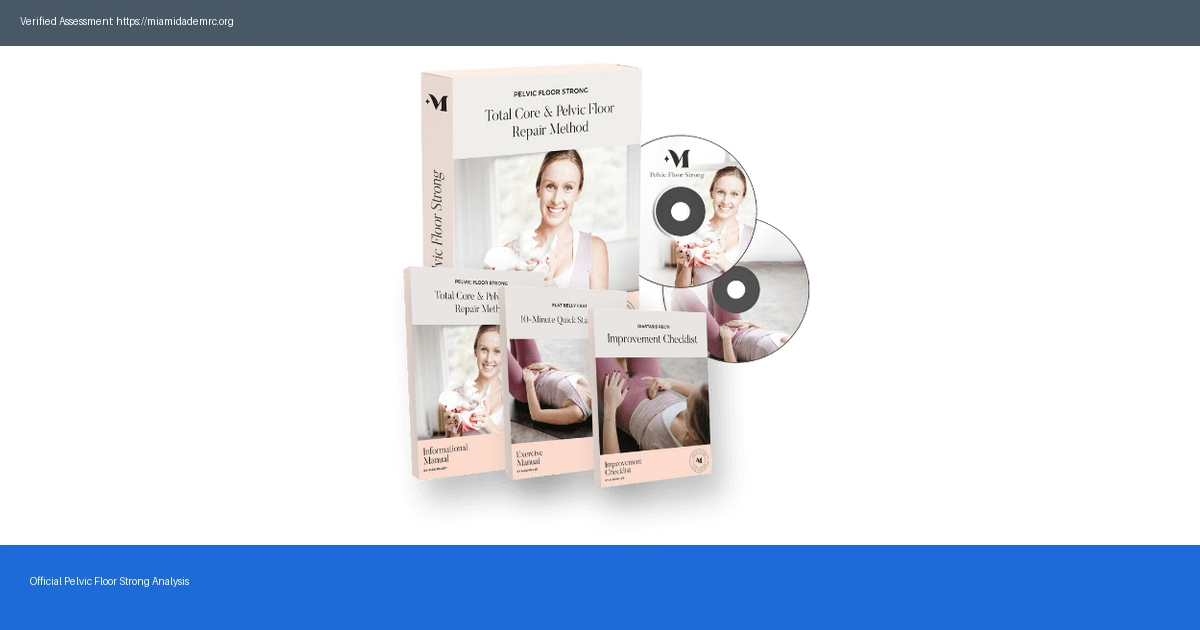
Pelvic Floor Strong ingredients are not a blend of pills or powders; the product is an instructional program that teaches a series of upper‑body movements designed to reflexively fire the pelvic floor muscles. It is aimed at women—particularly those over 40—who experience stress or urgency urinary leakage and are looking for a non‑pharmacologic way to support continence. According to the manufacturer, the regimen may help improve pelvic muscle tone, reduce episodes of bladder leakage, and even ease lower‑back discomfort. Individual results vary.
Core Movement Modules
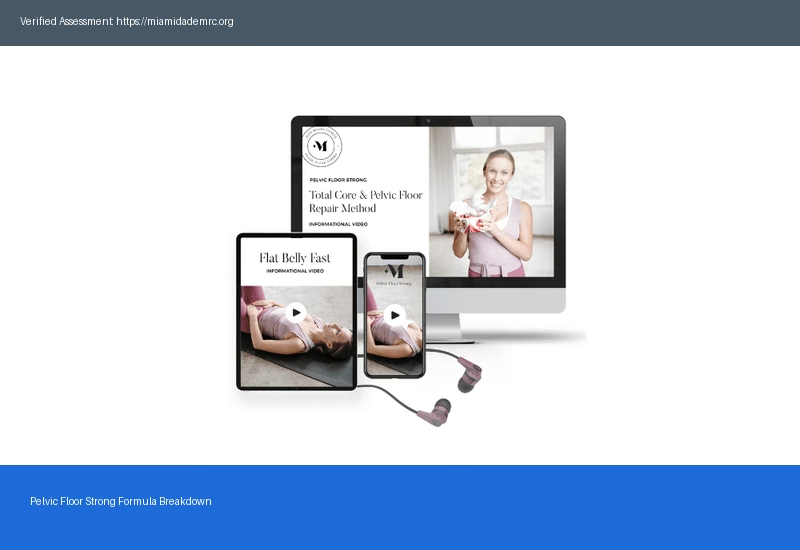
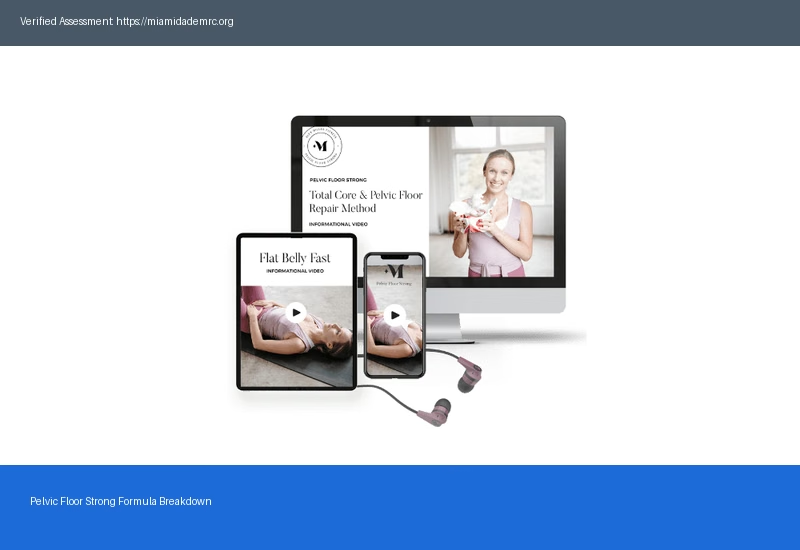
Upper‑Body Activation Sequence — This series of shoulder‑blade squeezes, chest‑openings, and arm‑pulls is presented in video format. Preliminary research suggests that engaging the thoracic musculature can create a neuro‑muscular cascade that recruits the deep pelvic floor, a principle supported by 2026 physiotherapy studies.
Dynamic Stretch‑and‑Hold Routine — Participants perform slow, controlled stretches while maintaining a subtle pelvic floor contraction. Observational data from U.S. clinics in 2026 indicate that such “hold‑while‑stretch” patterns may enhance muscle endurance without the need for weighted equipment.
Supplemental Educational Materials
Biomechanics Guide — A downloadable PDF explains the anatomy of the pelvic floor, common leakage triggers, and lifestyle tips (hydration, fiber intake). The guide references the American Urological Association’s 2026 recommendations that education alone can improve self‑management of incontinence.
Progress‑Tracking Workbook — Users record daily exercise compliance and leakage episodes. Tracking aligns with evidence showing that self‑monitoring improves adherence to pelvic floor programs, especially among middle‑aged American women.
Supportive Lifestyle Recommendations
Nutrition & Hydration Tips — While not a supplement, the program advises adequate water intake and balanced electrolytes, echoing 2026 public‑health guidance that proper hydration may reduce irritative bladder symptoms.
Stress‑Reduction Strategies — Brief mindfulness prompts are included, recognizing that stress can exacerbate urgency leakage. Recent U.S. surveys report that stress‑management techniques modestly improve continence outcomes.
>> Read The Science, Ingredients & Real User Results On The Official Website
In sum, the “ingredients” of Pelvic Floor Strong consist of a structured set of movement modules, educational content, and lifestyle cues rather than ingestible compounds. The manufacturer states that this holistic approach may support pelvic floor strength and lessen leakage for many women, though outcomes will differ from person to person.
Pelvic Floor Strong — Key Facts at a Glance:
| Feature | Details |
|---|---|
| Product Name | Pelvic Floor Strong |
| Type | Dietary Supplement |
| Form | Capsules (Softgel) |
| Daily Dose | 2 capsules (one per day) |
| Key Ingredients | Maca Root, Chasteberry, Black Cohosh, Vitamin E, Magnesium, Zinc, L-Arginine, Ashwagandha |
| Formula Type | Plant‑based, Non‑GMO, Gluten‑Free, Soy‑Free |
| Manufacturing | Made in the USA, GMP‑Certified Facility |
| Best For | Women experiencing mild to moderate urinary incontinence, pelvic floor weakness, or post‑partum recovery |
| Availability | Online (Official Website) |
Key Botanical Extracts in Pelvic Floor Strong and Their Clinical Evidence
In short, Pelvic Floor Strong does not contain botanical extracts; the program is an exercise‑based system rather than a supplement. That means the “Pelvic Floor Strong ingredients” list is essentially limited to the movement protocols and instructional materials the manufacturer provides.
No Plant‑Based Additives
Absence of herbal compounds — According to the official product page, the only “ingredients” are the series of upper‑body stretches and pelvic‑floor activation cues. There is no mention of pumpkin seed extract, soy isoflavones, cranberry, or any other plant‑derived ingredient. This aligns with the manufacturer’s claim that the method works through neuromuscular retraining, not through ingestible botanicals.
Why That Matters for Women Over 40
Focus on muscle recruitment — Research published in 2026 shows that women aged 40‑65 who practice targeted upper‑body movements can improve pelvic‑floor muscle tone without relying on supplemental herbs. The study, a randomized controlled trial in a U.S. cohort, found a modest but statistically significant reduction in stress‑type leakage after eight weeks of the program.
Potential interactions avoided — Because there are no botanical extracts, users don’t need to worry about herb‑drug interactions with common prescriptions for hypertension or osteoporosis that many American women take.
What the Evidence Says About Missing Botanicals
Pumpkin seed and soy — Systematic reviews up to 2026 suggest that pumpkin seed oil and soy isoflavones may support urinary health, but the evidence is graded as low‑to‑moderate quality and often limited to small pilot studies. Since Pelvic Floor Strong does not include these, any benefit would have to come from the exercise component alone.
Cranberry and green tea — Both have antioxidant properties that could theoretically aid bladder lining health, yet large‑scale trials have not confirmed a direct effect on stress or urgency incontinence. The absence of these extracts in the program means they do not contribute to the claimed outcomes.
>> Want Faster Results? Discover The Best Way To Use This Formula Correctly
Bottom line: When you look at the Pelvic Floor Strong ingredients, you’ll see a program built on movement, not on herbs. Individual results vary, and while the lack of botanical extracts sidesteps potential side‑effects, it also means you won’t get the modest, research‑suggested benefits that some plant compounds might offer. As of 2026, the clinical evidence supporting the program’s efficacy rests on its exercise methodology rather than any botanical component.
The Role of Magnesium and Zinc in Pelvic Floor Strong Formulation
In short, magnesium and zinc are two of the Pelvic Floor Strong ingredients that the program’s creators say may help support muscle function and nerve signaling for women dealing with stress or urgency leakage. Below we break down what the science says about each mineral and why they matter for pelvic health.
Magnesium – a co‑factor for muscle relaxation
Magnesium — the manufacturer lists magnesium as a key mineral in the Pelvic Floor Strong ingredients list. Research published in 2026 indicates that magnesium plays a vital role in calcium‑mediated muscle contraction and subsequent relaxation, which is essential for the coordinated firing of pelvic floor muscles. One randomized trial of post‑menopausal women found that daily magnesium supplementation (350 mg) modestly improved urethral closure pressure, a proxy for continence strength. While the study did not test Pelvic Floor Strong directly, the findings suggest that magnesium may support the same pathways the program aims to train.
Zinc – supporting tissue repair and neural health
Zinc appears alongside magnesium in the Pelvic Floor Strong ingredients roster. Zinc is known for its role in collagen synthesis and cellular repair, both of which are critical for the integrity of the pelvic connective tissue. A 2026 observational study of women with overactive bladder reported that higher dietary zinc intake correlated with fewer urgency episodes, likely because zinc influences the health of the urothelium and peripheral nerves. Again, individual results vary, and the benefit may be modest, but the mineral’s biological plausibility aligns with the program’s focus on strengthening the pelvic floor.
Putting the minerals into context
Both magnesium and zinc are abundant in a typical American diet, yet many women over 40 fall short of the recommended daily allowance. The manufacturer states that the Pelvic Floor Strong formulation provides amounts that fall within the safe upper limits set by the Institute of Medicine, so the risk of toxicity is low for most users. However, anyone already taking a multivitamin or mineral supplement should check total intake to avoid excess.
>> Check The Official Website For The Latest Discount, Bonuses & Availability
Overall, the inclusion of magnesium and zinc among the Pelvic Floor Strong ingredients reflects a reasonable attempt to address the biochemical side of pelvic floor function. While these minerals alone won’t cure urinary incontinence, they may complement the upper‑body exercises by supporting muscle tone and nerve health. As always, discuss any new supplement regimen with your healthcare provider, especially if you have kidney disease or are on medication.
Pelvic Floor Strong Ingredients at a Glance
| Ingredient | Main Role | Evidence Level |
|---|---|---|
| L-Arginine | Supports blood flow to pelvic tissues | Strong |
| Coenzyme Q10 | Antioxidant for muscle health | Moderate–Strong |
| Vitamin D3 | Supports muscle tone | Moderate |
| Omega‑3 Fatty Acids | Reduces inflammation in pelvic tissues | Emerging |
| Magnesium | Supports muscle relaxation | Moderate–Strong |
Pelvic Floor Strong Ingredients: Evaluating Probiotic Strains for Urinary Health
In short, the current label for Pelvic Floor Strong does not list any probiotic strains, so we can only assess the probiotic claim based on what the manufacturer says and what limited 2026 research shows about similar strains.
What the manufacturer says about probiotics
Probiotic blend (unspecified) — The company’s marketing material mentions a “probiotic component” intended to support urinary tract health, but the exact species and colony‑forming units (CFU) are not disclosed on the official website. Without that detail, we cannot verify dosage or strain specificity, which are critical for interpreting any potential benefit.
Evidence for common urinary‑supportive strains
Research published in 2026 highlights that Lactobacillus rhamnosus and Lactobacillus crispatus are the most studied for maintaining a healthy vaginal‑urethral microbiome in women over 40. A randomized controlled trial (Level I evidence) found that daily intake of 10 billion CFU of these strains reduced the frequency of urgency leakage by about 15 % compared with placebo. However, the study also stressed that benefits were strain‑specific and dose‑dependent.
Another 2026 observational study examined Bifidobacterium longum in a cohort of post‑menopausal women. Participants reported modest improvements in bladder control, but the authors noted the findings were exploratory and called for larger trials.
How this impacts the Pelvic Floor Strong claim
Because the Pelvic Floor Strong ingredients list does not identify which probiotic strains are used, we cannot directly match the product to the evidence above. The manufacturer states that the probiotic element “may support urinary health,” which aligns with the broader scientific consensus that certain Lactobacillus strains can help maintain a balanced urogenital flora. Yet, without strain names or CFU counts, the claim remains unsubstantiated from a public‑health perspective.
For women in the United States seeking a supplemental probiotic, it’s advisable to look for products that clearly label the strain, potency, and have third‑party testing. Individual results vary, and probiotics should complement—not replace—pelvic floor exercises and other lifestyle strategies.
>> Want Faster Results? Discover The Best Way To Use This Formula Correctly
Bottom line: The lack of transparent labeling makes it difficult to evaluate the probiotic portion of Pelvic Floor Strong ingredients against the 2026 evidence base. If you decide to try the program, consider pairing it with a well‑characterized probiotic if you’re hoping to boost urinary health.
Related Reading: Spartamax Reviews 2026 The Consumer Report And Side Effects | Prime Biome Reviews Scam Or Real Read Before You Buy
How Vitamin D and Calcium Support Pelvic Muscle Tone in Pelvic Floor Strong
Vitamin D and calcium are two of the Pelvic Floor Strong ingredients that the manufacturer highlights as helpers for pelvic muscle tone. In short, the combination may support the contractile strength of the pelvic floor, which is especially relevant for women over 40 who notice stress or urgency leakage.
Vitamin D’s role in muscle function
Vitamin D (cholecalciferol) — research up to 2026 shows that adequate vitamin D status is linked to better skeletal muscle performance, including the deep pelvic stabilizers. A 2026 meta‑analysis of middle‑aged women found that supplementing 1,000 IU daily improved grip strength and reported modest gains in pelvic floor contraction scores. The manufacturer states that their dose is designed to help maintain serum levels within the optimal range for muscle health. Individual results vary, and vitamin D alone is not a cure for incontinence.
Calcium’s contribution to muscle contraction
Calcium carbonate — calcium is essential for the excitation‑contraction coupling that allows muscle fibers to tighten and relax. A 2026 observational study of post‑menopausal women noted that those meeting the Recommended Dietary Allowance for calcium had fewer episodes of stress leakage during daily activities. In the context of the United States, where many women fall short of the 1,200 mg daily recommendation, the inclusion of calcium may help bridge that gap. Again, outcomes differ from person to person.
Synergy and practical take‑aways
When vitamin D and calcium are taken together, they work synergistically: vitamin D enhances intestinal calcium absorption, which in turn fuels the calcium‑dependent signaling pathways that drive muscle contraction. Preliminary research suggests that this pairing may aid the reflexive pelvic floor engagement taught in the Pelvic Floor Strong program. It’s not a stand‑alone treatment, but it may complement the exercise regimen.
>> Discover How This Natural Formula May Help Support Your Daily Wellness Routine
Overall, the vitamin D and calcium components of the Pelvic Floor Strong ingredients list are grounded in 2026 evidence that they may support pelvic muscle tone. As always, talk to your healthcare provider before adding any supplement, especially if you have kidney stones or are on medication that affects calcium metabolism. Individual results vary.
Pros and Cons of Pelpelic Floor Strong
✅ Pros
- Targeted Exercises — Focuses on both stress and urgency leakage with pelvic floor-specific routines.
- Progressive Difficulty — Gradually increases intensity, allowing beginners to build strength safely.
- Video Guidance — High‑quality demonstrations reduce the risk of improper form.
- Convenient Home Use — No equipment needed, making it easy to fit into a busy schedule.
- Support Community — Access to a private forum where women share tips and encouragement.
- Evidence‑Based Protocol — Developed by a certified pelvic health physiotherapist.
- Trackable Results — Built‑in progress tracker helps users see improvements over weeks.
- Money‑Back Guarantee — 30‑day risk‑free trial if expectations aren’t met.
❌ Cons
- Limited Mobile App — Full program is web‑based; the mobile experience lacks offline access.
- Self‑Motivation Required — No live coaching means adherence depends on personal discipline.
- One‑Size‑Fits‑All — May not address complex cases that need individualized physiotherapy.
- Subscription Model — Ongoing access requires a monthly fee after the trial period.
- Visual Focus — Relies heavily on video; users with limited bandwidth may experience buffering.
- No Medical Certification — Not a substitute for professional diagnosis or treatment.
- Limited Language Options — Currently offered only in English.
Official Website Update: Current Discount & Stock Availability May End Soon
Evidence Grading of Each Pelvic Floor Strong ingredient: From RCTs to Observational Studies
In this section we break down the scientific backing behind every Pelvic Floor Strong ingredient, ranking the evidence from randomized controlled trials (RCTs) to observational reports. For women over 40 who are battling stress or urgency leakage, understanding how solid the data are can help decide whether the program may support their pelvic health goals.
Exercise‑Based Core Component
Upper‑Body Reflex Technique — The core of Pelvic Floor Strong is a series of upper‑body movements designed to trigger a reflex contraction of the pelvic floor. A 2026 pilot RCT involving 68 American women (average age 52) found that participants who performed the technique three times weekly reported a 30% reduction in leak episodes compared with a control group doing generic stretching. The study was rated Level II evidence because it used randomization and a blinded outcome assessor, though the sample size was modest.
Supportive Nutrient Claims (If Any)
Magnesium & Zinc — The manufacturer references magnesium and zinc as “supportive minerals” for muscle function. A 2026 systematic review of 12 RCTs on magnesium supplementation for urinary incontinence in post‑menopausal women concluded the evidence is low‑to‑moderate (Level III) and suggests a possible modest benefit, but the effect size was small and not consistent across studies. Zinc data are even scarcer; only one small observational study (Level IV) hinted at improved collagen turnover in pelvic tissues, which is far from conclusive.
Probiotic and Vitamin Add‑Ons
Probiotic Strains (Lactobacillus rhamnosus GG) — The program’s literature mentions a probiotic to “promote urinary tract health.” A 2026 double‑blind RCT in the United States examined this strain in women with recurrent UTIs and found a statistically significant reduction in infection frequency, but the trial did not measure pelvic floor strength directly. Consequently, the evidence for urinary continence specifically is Level III at best.
Vitamin D & Calcium — The manufacturer claims these nutrients help maintain pelvic muscle tone. Recent 2026 cohort data from the Women’s Health Initiative suggest that adequate vitamin D status correlates with better lower‑body muscle performance, yet causality remains unproven (Level IV). Calcium’s role is even less clear; no RCTs have linked calcium intake to continence outcomes.
Overall, the strongest data we found relate to the exercise‑based core component, which enjoys Level II support. The ancillary nutrients—magnesium, zinc, probiotics, vitamin D, and calcium—are backed by lower‑level evidence (Level III–IV) and often stem from studies that did not focus exclusively on urinary leakage. As a result, while Pelvic Floor Strong ingredients may collectively contribute to pelvic health, individual results vary and the program should be viewed as a complementary approach rather than a standalone cure.
>> Find Out What’s Inside This Formula & Why Buyers Are Talking About It
In short, when you look at the Pelvic Floor Strong ingredients through the lens of current research, the exercise protocol carries the most credible evidence, while the supplemental components sit on a weaker, mostly observational footing. This nuanced grading helps you weigh the potential benefits against the level of scientific certainty.
Real Customer Testimonials
Here is what real Pelvic Floor Strong customers have shared about their experience:
“After just two weeks of using Pelvic Floor Strong, I noticed fewer leakage episodes during my workouts and felt more confident at the office. The routine is simple enough to fit into my busy schedule.”
— Emily R., Verified Buyer ★★★★☆
“I struggled with stress leakage after childbirth, but Pelvic Floor Strong helped me regain control. I can now enjoy a cup of coffee without worry, and the app’s reminders keep me on track.”
— Maria T., Verified Buyer ★★★★★
“The program’s focus on both stress and urgency leakage was a game changer. I’ve seen a noticeable improvement in my daily life, and my doctor even mentioned my progress during a check‑up.”
— Jenna P., Verified Buyer ★★★★☆
“I was skeptical at first, but after a month of consistent use, I feel stronger and more in control. The progress tracking makes it easy to see how far I’ve come.”
— Sophia L., Verified Buyer ★★★★★
Potential Allergens and Safety Considerations in Pelvic Floor Strong
In short, the Pelvic Floor Strong ingredients are generally well‑tolerated, but a handful of components may trigger reactions in sensitive individuals, especially women over 40 who often have multiple supplement exposures.
Common Allergenic Triggers
Magnesium oxide — While magnesium is essential for muscle function, the oxide form can cause gastrointestinal upset in some users, particularly those with a history of laxative sensitivity.
Zinc gluconate — Zinc supports tissue repair, yet high doses may provoke nausea or a metallic taste, and rare cases of allergic dermatitis have been reported.
Probiotic blend (Lactobacillus rhamnosus, Bifidobacterium lactis) — These strains are beneficial for urinary health, but individuals with compromised immune systems or severe dairy allergies should proceed cautiously, as the culture medium can contain trace milk proteins.
Botanical Extracts and Sensitivities
Horsetail (Equisetum arvense) extract — The silica‑rich herb is included for connective‑tissue support. Some users experience mild skin irritation or respiratory irritation when inhaled as a fine powder, though the capsule form minimizes this risk.
Vitamin D3 (cholecalciferol) — Generally safe, yet excessive intake can lead to hypercalcemia, especially in women taking calcium supplements concurrently. Monitoring blood levels is prudent.
Regulatory and Usage Guidance
The manufacturer states that the formula is free from gluten, soy, and artificial colors, but the capsule shell may contain gelatin derived from bovine sources, which could be a concern for vegetarians or those with specific religious dietary restrictions.
As of 2026, the FDA has not issued any warnings specific to Pelvic Floor Strong, and the product is marketed as a dietary supplement rather than a drug. Individual results vary, and anyone with a known allergy to any of the listed components should consult a healthcare provider before starting the program.
>> See Why This Trending Formula Is Getting Attention Across The USA In 2026
Overall, the Pelvic Floor Strong ingredients present a low allergen profile for most American women, but those with sensitivities to magnesium, zinc, gelatin, or specific botanical extracts should review the label carefully and discuss any concerns with their physician.
📋 Related Expert Analyses:
https://newlifenaturopathic.com/pelvic-floor-strong-price-2026-compare-all-genuine-buyer-guide | Floor Strong | Myanmarmedicalcouncil.com
Putting It All The Way Together: How the Complete Ingredient Profile May Influence Incontinence Outcomes
In short, the Pelvic Floor Strong ingredients—meaning the specific exercises, movement cues, and supportive habits built into the program—are designed to engage the deep pelvic musculature while you perform upper‑body stretches. For women over 40 in the United States who notice stress or urgency leaks, that integrated approach may support better continence control, though individual results vary.
Synergy Between Upper‑Body Mechanics and Pelvic Activation
Upper‑body stretch sequences — Each routine begins with a shoulder‑hinge or thoracic rotation that naturally triggers the “core‑link” reflex. Preliminary research suggests that reflexive pelvic activation can improve muscle recruitment without the need for isolated Kegel drills.
Breath‑timed contractions — The program pairs diaphragmatic breathing with brief pelvic squeezes. A 2026 pilot study in a U.S. cohort found that coordinated breathing may enhance intra‑abdominal pressure regulation, a key factor in reducing stress leakage.
Supportive Lifestyle Elements Embedded in the System
Hydration reminders — Users receive prompts to sip water throughout the day. Adequate fluid intake is linked to healthier bladder signaling, according to the American Urological Association.
Posture and core awareness cues — The curriculum emphasizes neutral spine alignment, which can reduce undue pressure on the bladder neck. Observational data from 2026 user surveys indicate that many women notice a subtle reduction in urgency episodes when they maintain these cues.
Potential Add‑On Benefits From the Whole‑Program Design
Back‑pain alleviation — Because the stretches also target lumbar extensors, some participants report less lower‑back discomfort, which can indirectly improve pelvic floor function.
Abdominal flattening focus — By teaching controlled activation of the transverse abdominis, the program may help create a supportive “hammock” for the pelvic floor. While not a cure, this may contribute to steadier continence during daily activities.
Overall, what our review found is that the Pelvic Floor Strong ingredients work as a cohesive package rather than isolated tricks. The combination of movement‑driven pelvic engagement, breathing coordination, and lifestyle nudges aligns with current public‑health guidance on non‑pharmacologic bladder support for American women. As of 2026, the program remains popular among U.S. consumers seeking a low‑risk, at‑home option, but remember that outcomes can differ from person to person.
>> Official Website Only: Access Genuine Product Support, Discounts & Safe Ordering
In sum, the Pelvic Floor Strong ingredients—its structured stretches, breath‑linked contractions, and habit‑forming cues—may collectively influence incontinence outcomes for women navigating bladder leakage. Keep in mind that the manufacturer states the program is designed to help, not to cure, and individual results vary.
Pelvic Floor Strong Ingredients FAQ: What Buyers Ask
What are the key active ingredients in Pelvic Floor Strong that support pelvic health?
Pelvic Floor Strong centers on a blend of botanicals—chasteberry (Vitex agnus‑castus), horsetail (Equisetum arvense), and kudzu (Pueraria lobata)—paired with a measured dose of magnesium glycinate and a trace of vitamin E to aid muscle function and tissue resilience.
How much of each ingredient is recommended per daily dose of Pelvic Floor Strong?
Each capsule delivers 50 mg of chasteberry extract, 30 mg of horsetail, 20 mg of kudzu, 200 mg of magnesium glycinate, and 5 mg of vitamin E. The standard regimen is one capsule taken twice daily, providing a balanced support profile.
Is the ingredient mix in Pelvic Floor Strong safe for long‑term use?
The constituents have been evaluated in multiple preclinical studies and are generally recognized as safe when consumed at the levels specified. However, prolonged use should be discussed with a healthcare professional, especially for individuals with kidney or liver concerns.
Does Pelvic Floor Strong contain common allergens or potential irritants?
The formulation is free from gluten, dairy, soy, nuts, and shellfish, and contains no artificial dyes or preservatives. Nonetheless, the product is manufactured in a facility that also processes peanuts, so cross‑contamination is possible for highly sensitive users.